Independent Curators International supports the work of curators to help create stronger art communities through experimentation, collaboration, and international engagement.

Independent Curators International supports the work of curators to help create stronger art communities through experimentation, collaboration, and international engagement.

Menu Close

401 Broadway #1620
New York, NY 10013
info@curatorsintl.org
+1 212 254 8200

Menu

This article originally appeared in Spanish in Arteinformado magazine; read the original on their website here.

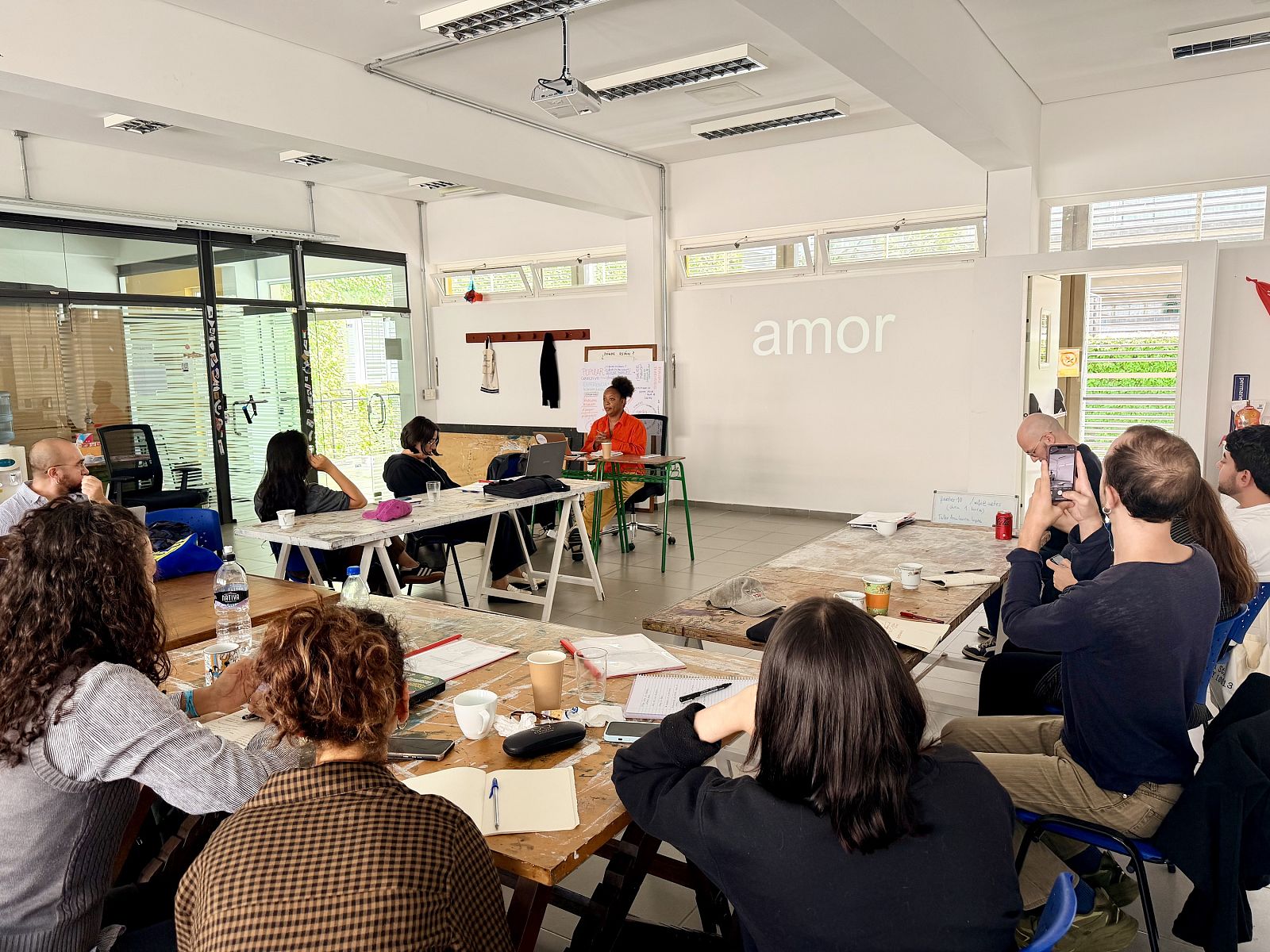
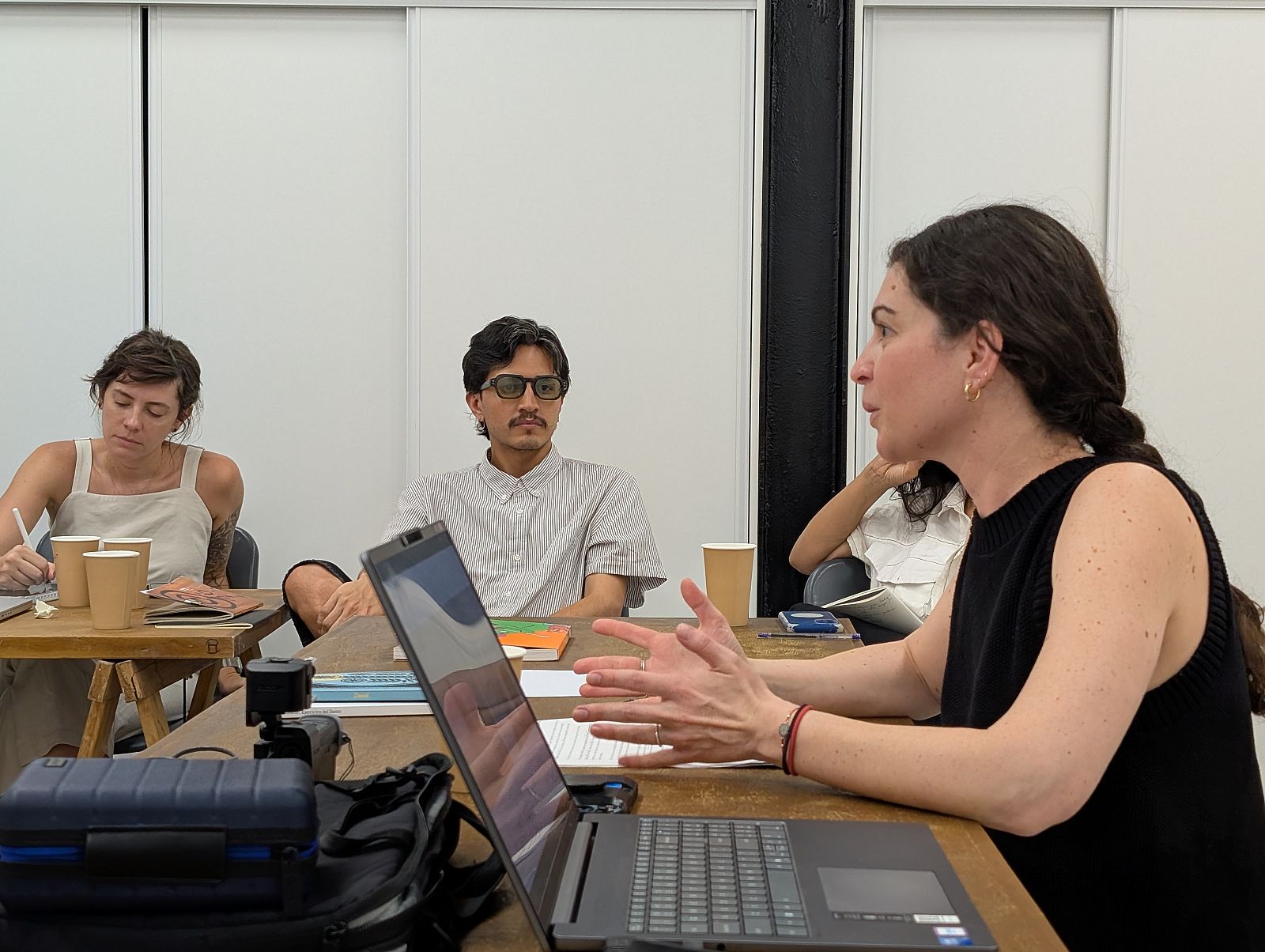
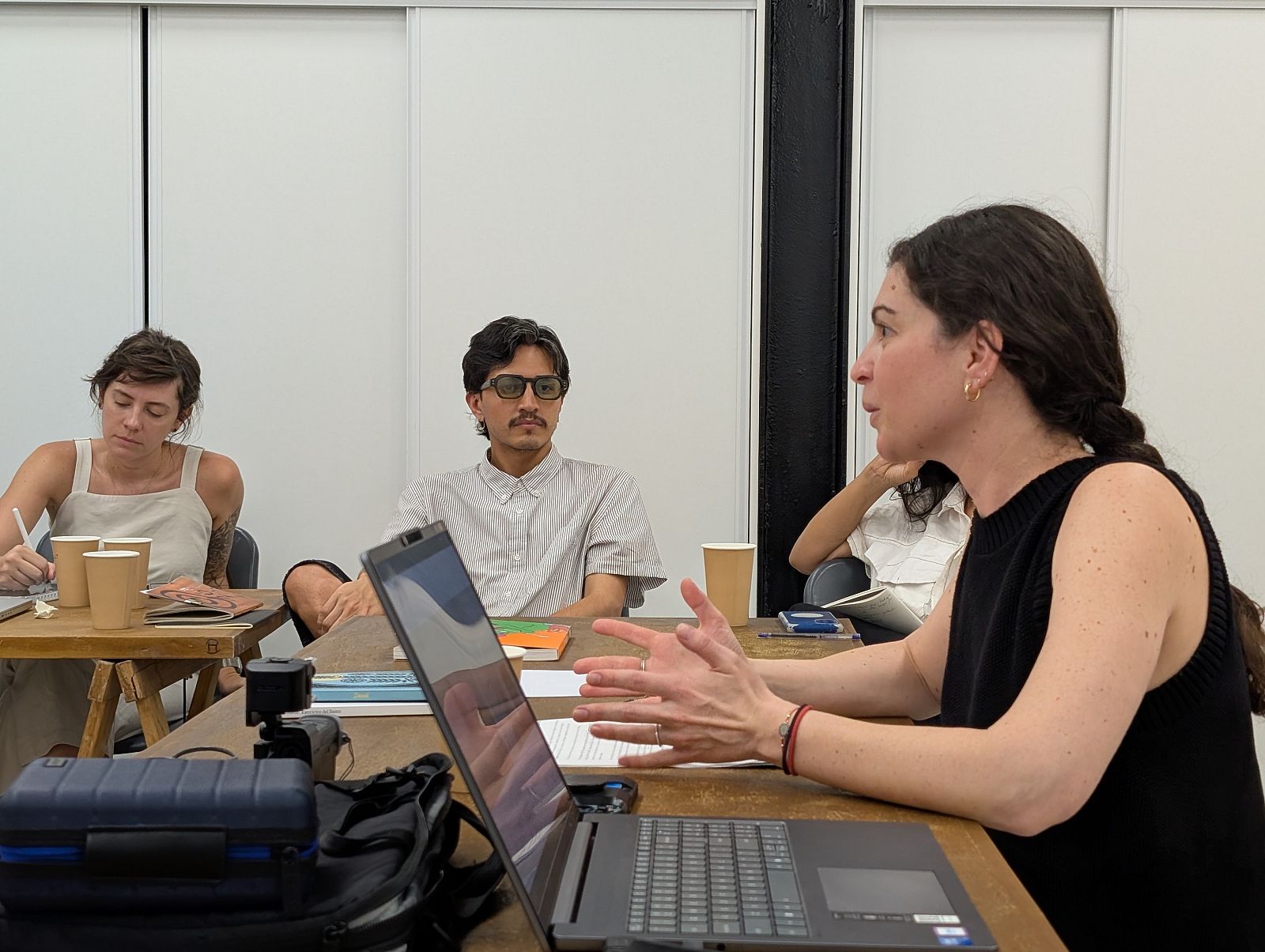
Twelve emerging curators from seven Latin American countries gathered in Montevideo for the ICI Curatorial Intensive. With instructors such as Keyna Eleison and Victoria Noorthoorn, they explored the role of the curator, financial precariousness, and the need to rethink institutions from a situated and community-based perspective.
 

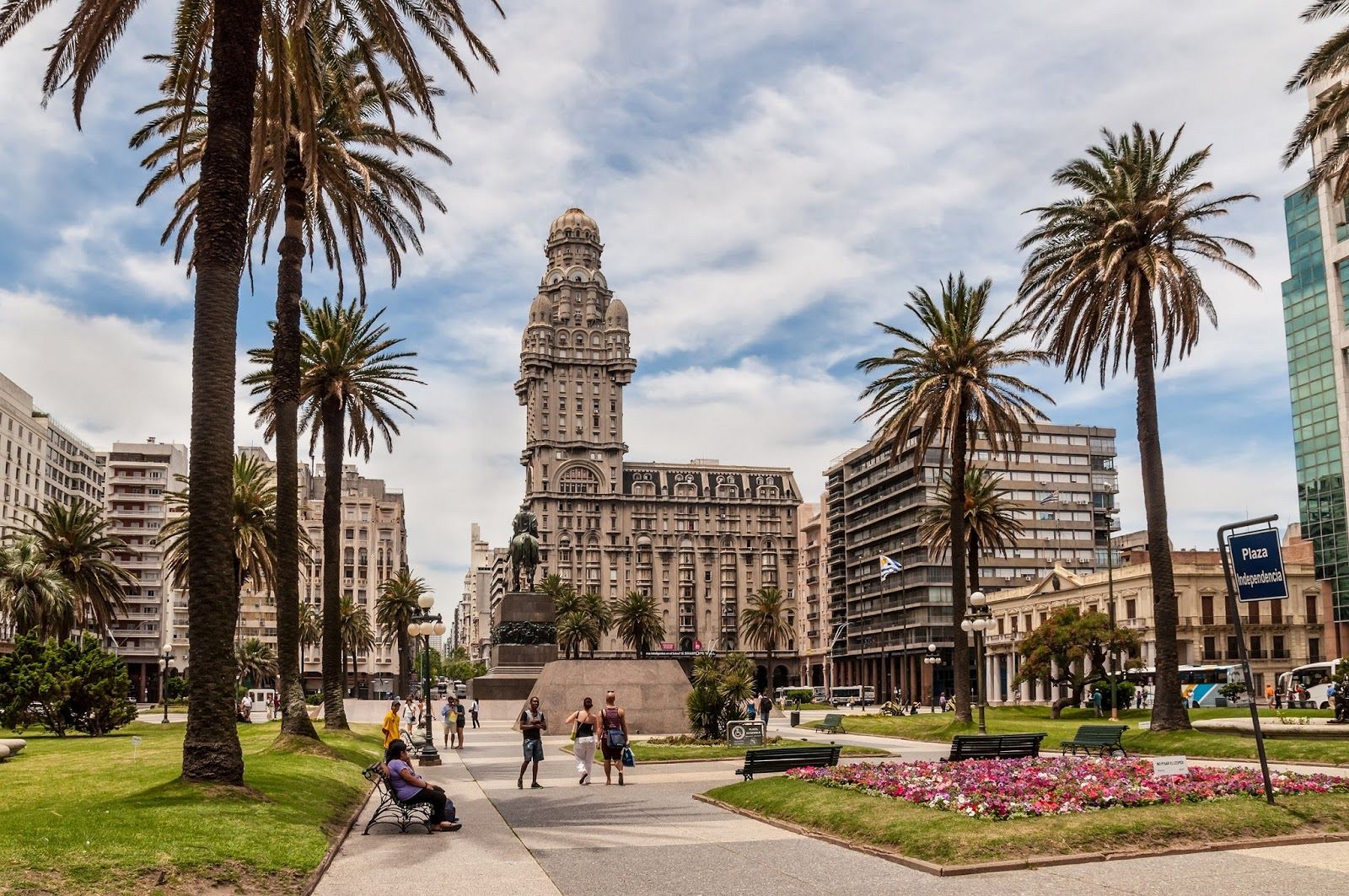
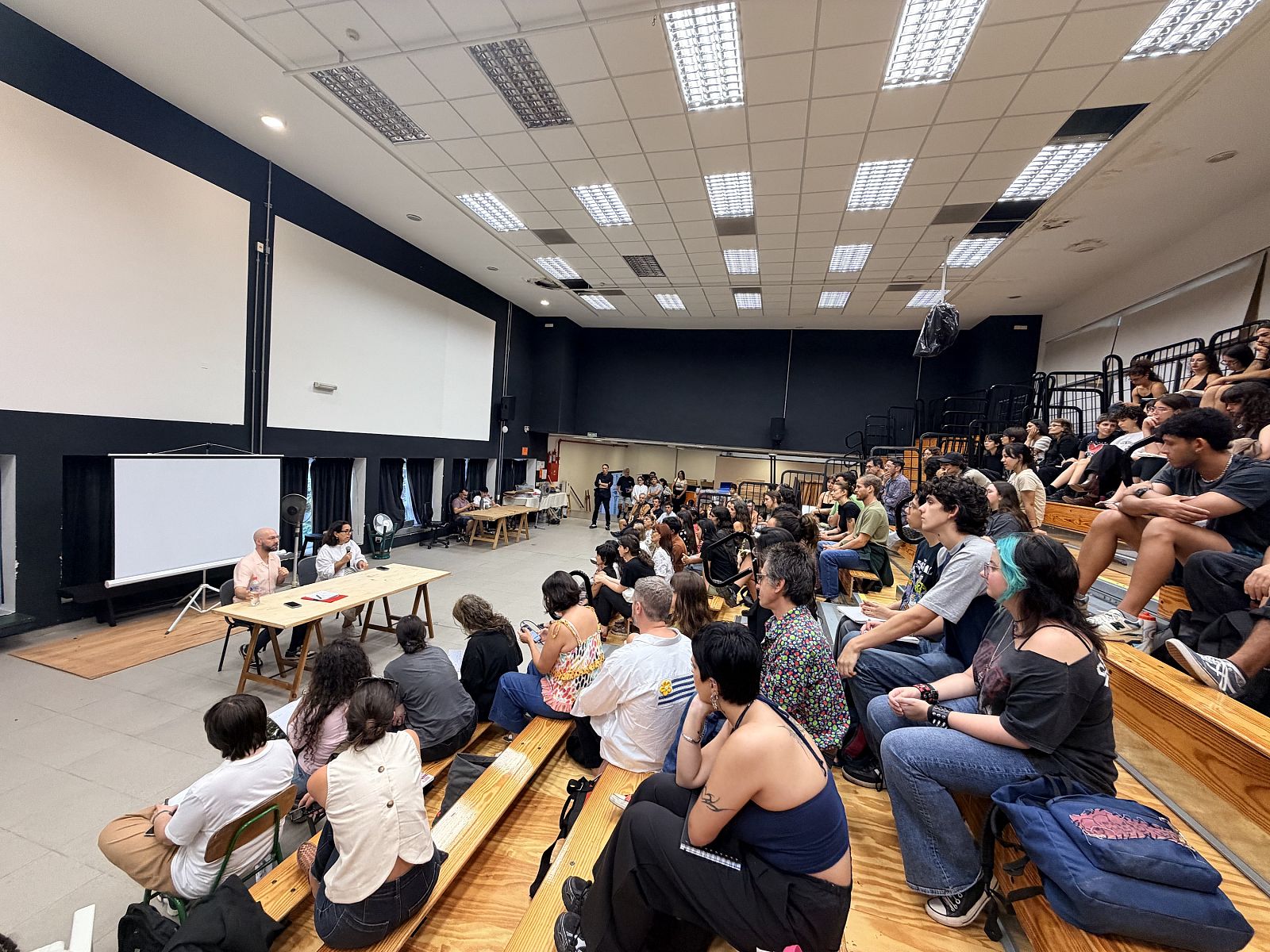
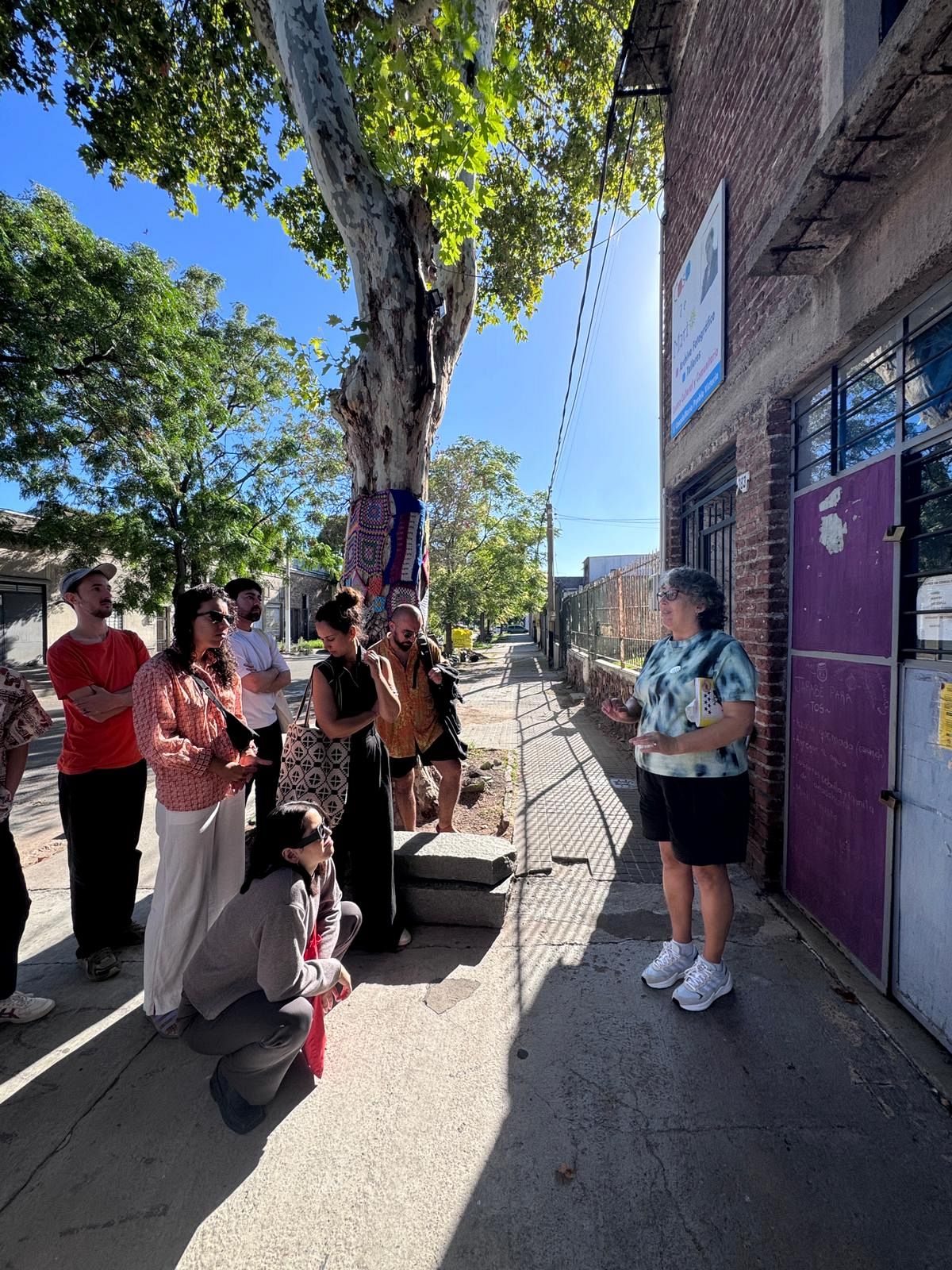
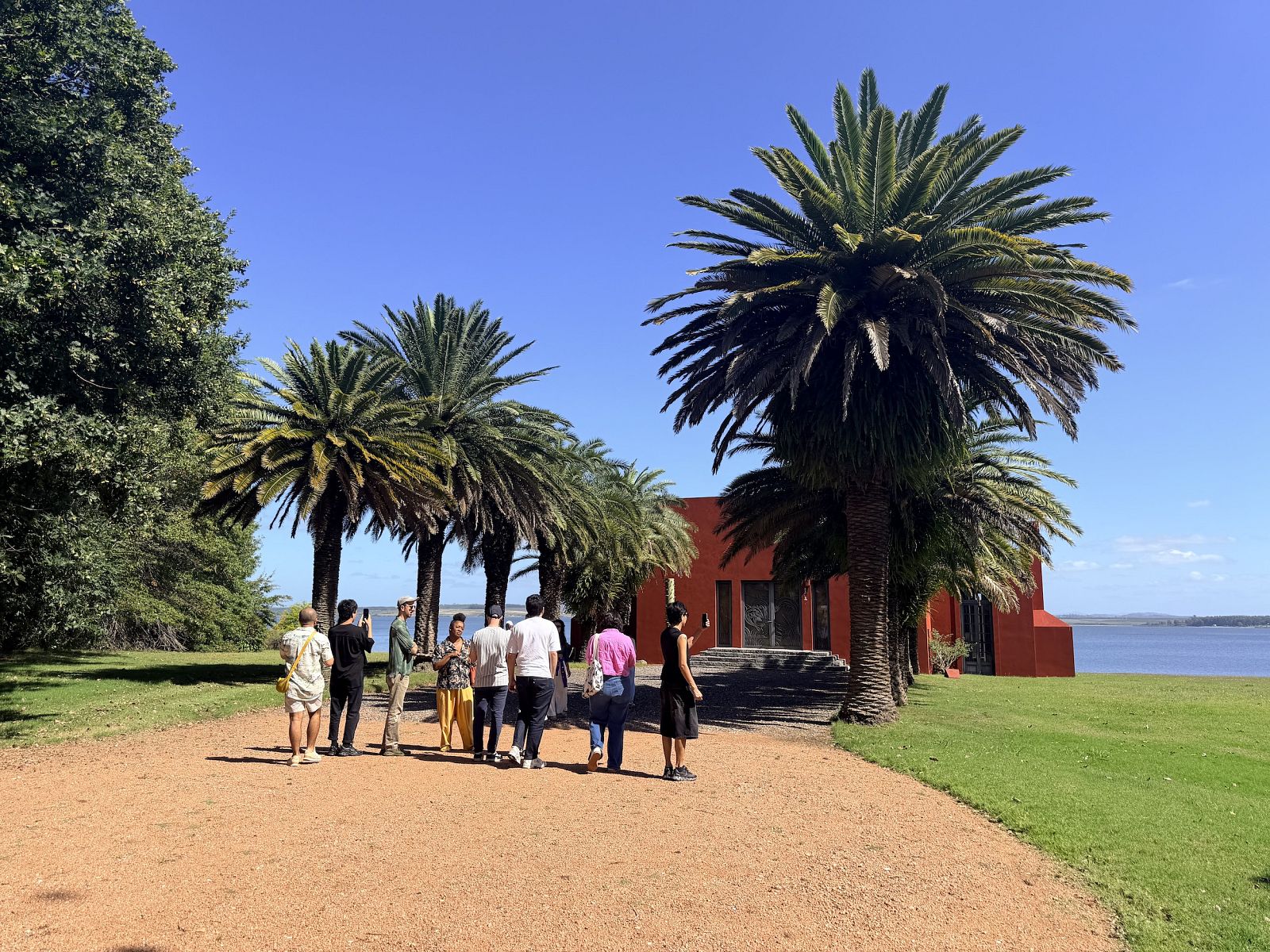
From March 14 to 21, the sixth Latin American edition of the Independent Curators International (ICI) Curatorial Intensive took place in Montevideo, Uruguay. Previous editions had been held in Argentina, Brazil, Mexico, and Colombia. The intensive was held at the Faculty of Arts of the Universidad de la República (Udelar), and the final symposium took place at the National Museum of Visual Arts, the country’s leading art institution. 

The Curatorial Intensive has been running since 2010 and has visited 25 cities around the world. Renaud Proch—Executive and Artistic Director of ICI—explains that over time and through multiple experiences, the program has proven to be particularly strong and impactful in growing artistic communities with weaker infrastructures, where independent curators can be encouraged to create or transform spaces to disseminate and highlight contemporary art—referring not only to exhibition spaces but also to spaces for reflection and thought. According to Proch, they arrived in Uruguay at just the right moment: “because a lot is happening in the country, but at the same time not enough; it is a moment of great potential.”

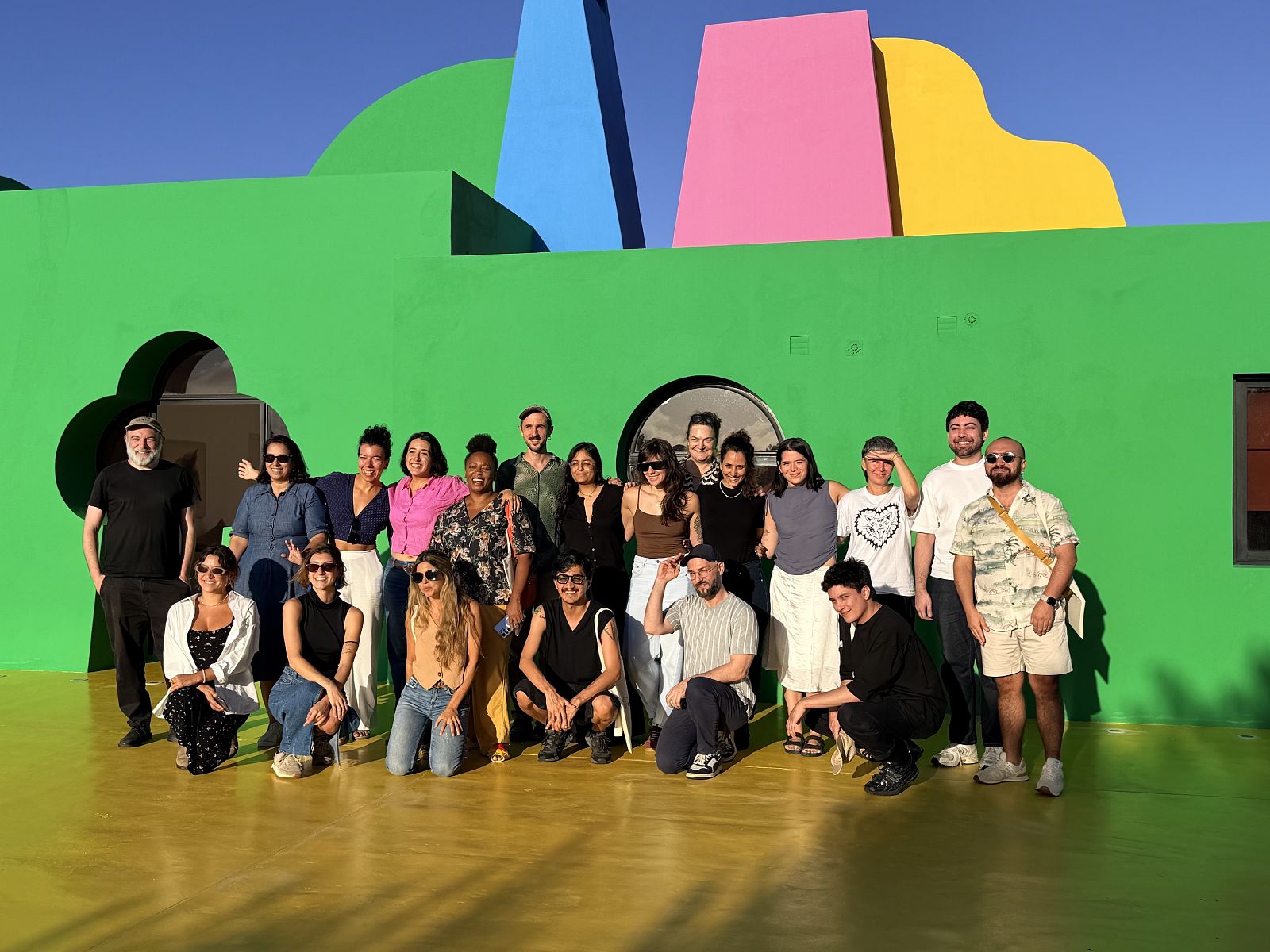
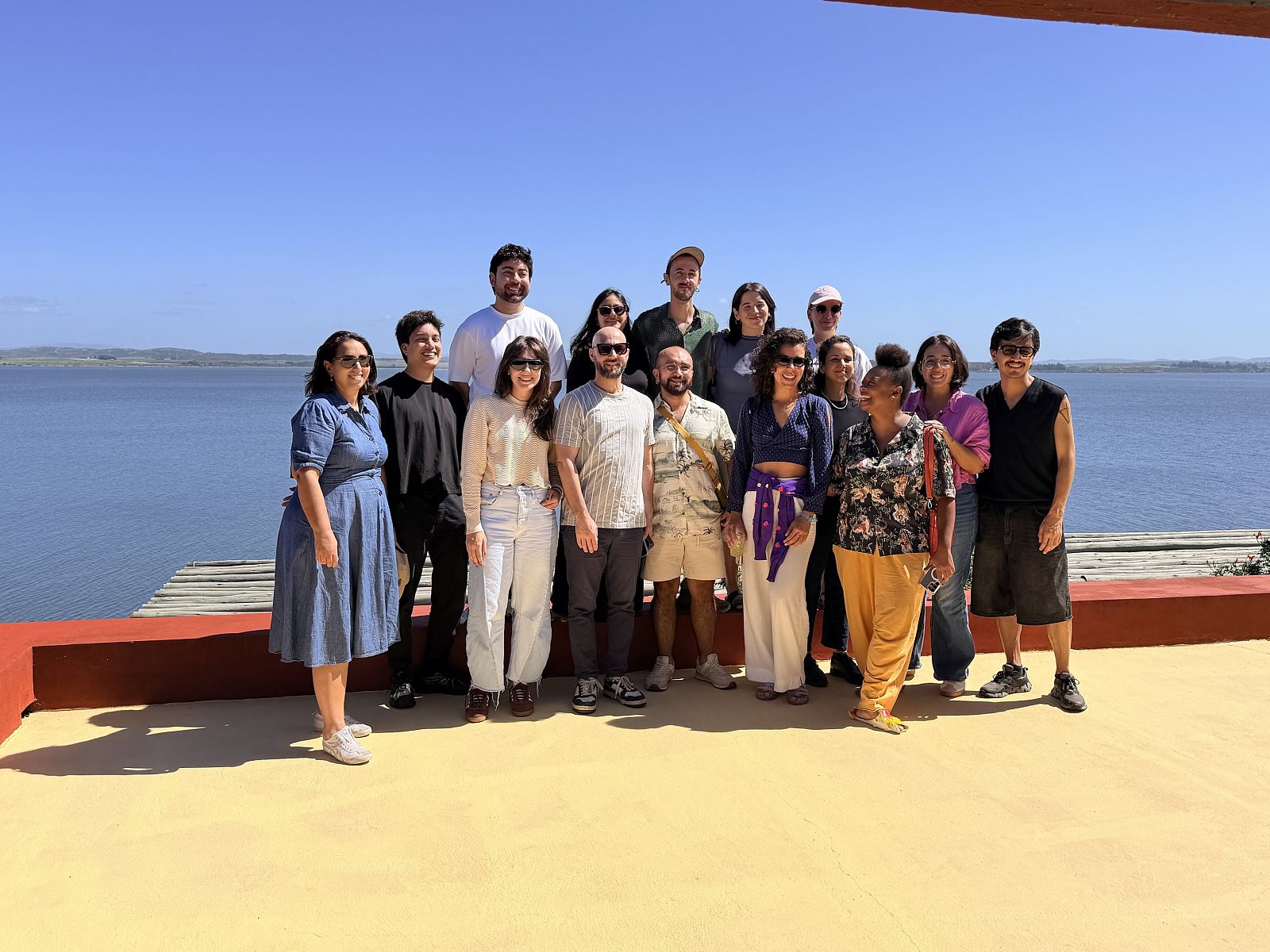
Twelve emerging curators from Argentina, Brazil, Chile, Colombia, Ecuador, the United States, Venezuela, and Uruguay participated in this intensive; they were led by Proch and Marina Reyes Franco, coordinator of this edition of the program. In addition, the guest lecturers were a powerful group of Latin American curators: Ionit Behar (Uruguayan curator based in Chicago, currently Marilyn and Larry Fields Curator of the Museum of Contemporary Art Chicago), Keyna Eleison (independent curator, general director of the Bienal das Amazônias, and co-curator of the 36th São Paulo Biennial), Maya Juracán (Guatemalan curator, writer, and activist), Ana Laura López de la Torre (Uruguayan artist, educator, and writer specializing in social and community art practices), and Victoria Noorthoorn (Director of the Museo de Arte Moderno de Buenos Aires).

Regarding the guest instructors, Laura Bardier—Director of ESTE ARTE, one of the program’s main sponsors and the person who made it possible for this intensive to take place in Uruguay—noted that she considered it vitally important for the faculty to include two Uruguayan women: one living and working in the country, and another based abroad but with active ties to the country, to offer a diversity of perspectives and viewpoints. In this regard, Proch clarified that the Intensive is not a compendium of ideas originating from New York (ICI’s headquarters) but rather the product of dialogues emerging from, in this case, a group of professionals who traverse the various borders of the Americas far and wide.

In particular, the faculty highlighted this group of participants’ ability to rethink and imagine futures—that is, the reinvention of forms of thought and knowledge—to understand exhibition curation as a way to generate new conceptual and knowledge-based relationships as well as their capacity to challenge institutions to create alternative spaces. This group is deeply committed to the community and society in which they are embedded, with its intersections and complexities—sometimes themselves affected by migratory movements—and with a strong critical vision on global issues.

One point highlighted by Eleison is particularly interesting; she mentions how the perspective on institutions has shifted, revealing a generational gap. The participants in this gathering have institutions (museums, academia, etc.) very much in mind—internalized into their thinking—as they seek to update and revitalize them, both conceptually and practically, by questioning them and breaking their rules so that new forms and types of museums may emerge. In contrast, Eleison’s generation, and those before them, adopted a stance of resistance against institutions. Consequently, among the projects presented by the participants can be found everything from museums without borders to queer archives, and many forms of expression through which diverse communities or underrepresented groups make their presence felt and demand visibility, their rights, and the preservation of their aesthetic, political, and ethical memory and legacy. For example, Santiago Ávila Albuja—a participant in the Intensive—proposed the PachaQueer Living Archive project, which he has been developing at the Quito Center for Contemporary Art, asking: “From where and for what purpose do we continue to appropriate these spaces—especially the museum—which were not designed for these types of bodies [trans and queer]? How do we allow ourselves to be permeated by these other ways of life, how do we learn, how do we question and subvert the order of this knowledge, and how do we give them a space in the museum?”—a question that encapsulates the tone of the gathering.

A Versatile and Multifunctional Role 

The first problem that arises when we talk about curatorship is usually reaching a more or less agreed-upon definition of its functions and scope. That is one of ICI’s objectives. The organization understands the role of the curator as that of a community organizer or a community leader, someone who supports artist communities, fosters art appreciation, and creates or strengthens the infrastructure so that these communities can produce and exhibit their artworks.

It is also someone who proposes or produces a discourse around artworks and opens up that discourse so that people can engage with art. This definition is open and evolving, and is the result of work and collaborations with numerous curators. According to Proch, “it is a relational concept, deeply rooted in society, suggesting that a curator can guide a community through difficult times.” From his perspective, this notion differs from the more traditional conception in which curatorship was confined to the museum institution and the conservation or management of collections.

Everyone agrees on the complexity involved in this work and the diversity of tasks a curator may perform, depending above all on infrastructure and financial resources. Among these functions are selection, research, writing, historicization, production, management, administration, design, installation, education, mediation, negotiation, strategy… That is why it is essential to build teams where different roles and functions can be distributed so that, by achieving results together, through collaboration, the work itself carries with it an ethics of respect, care, and reciprocity. 

We will not work for the sake of art

This is directly linked to the issue of budgets, tools, and funding structures. Throughout the intensive, participants discussed limited budgets and inadequate or weak structures for supporting the sector’s needs, particularly from the perspective of the Global South and from certain countries where these constraints are more acute than in others. Several participants noted that they perceive infrastructure and access to funding to be even more limited in some countries, such as Venezuela or Uruguay, where institutions have very meager or minimal resources to maintain their operations. Likewise, budget disparities are evident between the capital and the reality faced by inland cities. In this context, the importance of ensuring payment for creative work in its various forms was emphasized. Maya Juracán’s experience is a good example of an alternative model of sustainability and administration, where a collective of four curators applies for funding in a consistent and organized manner and ten percent of the funds secured are allocated to the organization to ensure its operation. This equitable working model is both an act of activism and a best practice, promoting the professionalization of the field and its various agents through fair compensation, in direct opposition to the neoliberal logic of precariousness and self-exploitation. 

For Eleison, when we talk about budget, we also have to talk about politics. Beyond the practical dimension of fund administration and management, she emphasizes the importance of being imaginative and creative when devising strategic alliances and building solid, lasting funding structures with diverse partners (public and private entities, foundations, national and international funds, exchange systems, etc.) to ensure the long-term continuity of projects. She calls for imagining and creating alliances in ethical harmony with the times we live in, challenging art and culture systems not to sustain extractive or enslaving economies.

Between Authorship and Humility

Another theme that emerged during the Intensive was the importance of trusting, valuing, investing in, and strengthening one’s own curatorial ideas: trusting personal judgment and the individual creative voice, that everyone has their own purpose and, ultimately, a desire to transform or contribute to the world in a certain way. According to Proch, the concept of the creative process implies “wanting to transform the world in some way.” Beyond trends, beyond what all the fairs or galleries showcase, curators must be able to present, help people understand, and defend the work of the artists in whom they firmly believe, through their creative and intellectual freedom. These decisions require not only courage and bravery, but also ego to uphold them and take responsibility for them. But this ego, when well-managed and grounded in reciprocity, must be accompanied by a deep sense of humility and gratitude for the work of others who make these projects possible; ultimately, no one works alone.

Among other challenges and opportunities on the horizon, Ionit Behar highlights the ability to listen and care, as well as “looking closely, taking time, and resisting the speed with which we are often required to react.” Along these same lines, Eleison advocates for the pause as a space to reorganize and restructure thought—not as the opposite of activity, but as the space that allows one to step back and gain perspective. Bardier comments that Uruguay offers the precise tempo needed to reflect and distill ideas without the clamor of the maelstrom. 

For Behar, one of the greatest contributions curatorship can offer today is “the possibility of creating environments where patience, attention, and the intensity of processes are experienced, reminding us that art is not just information, but experience and relationship.”

Beyond Expectations

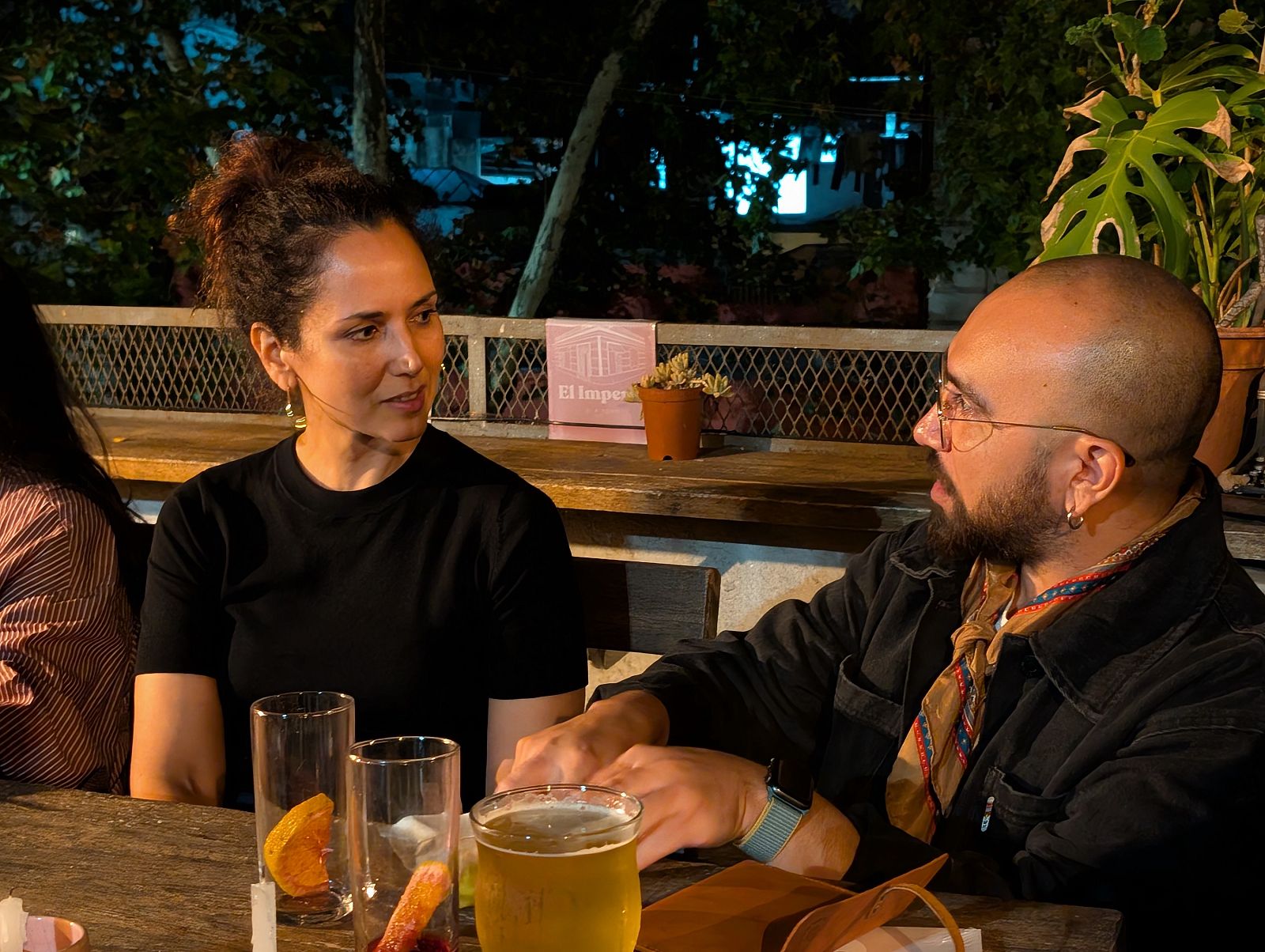
This group of young curators came seeking answers and methodological strategies for their work, and instead found a training program that encourages continuous questioning and raises uncomfortable questions time and again. The stories and experiences of the various instructors allowed them to outline diverse ways of approaching and practicing curatorship. In all cases, the focus seems to be on conscious and situated curatorship: where it originates and where it is headed. A sense of satisfaction prevails, along with the feeling of having shared an intense and enriching experience, where each participant leaves with new questions, contacts, and networks to continue weaving and unraveling.

During the closing symposium, the participants presented projects they worked on during the intensive. This session was structured around three thematic axes defined by the participants themselves. The first theme, titled “Territories in Motion,” addressed territory understood as a space of relationships in constant construction and explored topics ranging from the Caribbean diaspora to the Guaraní triple border (Argentina, Paraguay, and Brazil), land and housing issues in Brazil, as well as the tectonic relationships between Uruguay and Namibia. The second module, “Co-learning Processes from a Latin American Perspective,” questioned the limits of museums and artistic institutions with a special focus on bodies and dissidence. Here, a traveling museum called Museo del Devenir was presented, alongside a project that seeks to build bridges between Brazilian and Latin American women, the previously mentioned project linked to the PachaQueer archive, and research on the work of the Yanomami indigenous people, which raises questions about both its museum exhibition and its conceptual framework. Finally, the “Devices of Collective Speculation” section explored the possibility of imagining other possible worlds as an act of resistance, with a project that aims to speculate on the absent from a critical perspective; while Juaniko Moreno dared to go further and play with humor and the rules through “Legal limítrofe”; and an invitation to revisit the cosmic and geological landscape to make room for contemplation and wonder in a world where the stars are rarely gazed upon.

These proposals demonstrate the breadth of perspectives and possible approaches to a curatorial project. A common thread linking past, present, and future prevails in all of them: starting from an anchoring in and (re)cognition of the past, they address issues affecting the present and, from there, project possible futures in a speculative vein. It is worth highlighting the agency from which the construction of this future begins; it involves taking an active role, a process in which a narrative is proposed and articulated that will give shape to what is yet to come.