III. Backwater
noun
- water backed up in its course by an obstruction, an opposing current, or the tide
- a body of water (such as an inlet or tributary) that is out of the main current of a larger body
- an isolated or backward place or condition
- an unpopular or unimportant field (as of study or business)
Backwater Truths evokes “backwater” as a term in conversation with the usage of reimagining and remembrance. It is not a term that those who live amongst the banks of the Mississippi River are looking to redefine, to my knowledge, as it is also a term identified as a slur for very necessary reasons. It is not a term I would use to identify a person. Backwater, for the purpose of this story, is discussed based on the definition that Richard M. Mizelle, Jr. shares in Backwater Blues: The Mississippi Flood of 1927 in the African American Imagination, the central text that led to this exhibition: “in varying contexts the intellectual idea of backwater suggests an operation on the fringes of society, less than American and less than human.” The central reason I use the term "backwater" is to open a conversation, through a Black Indigenous queer feminist lense, about the limits of citizenship as a framework for understanding Black and Indigenous life. Therefore, when interacting with Mizelle’s definition, as a curator, my questions became: what if we gave up on citizenship?[1] What, then, does this definition become?[2] What if we understand this decolonial act[3] through embodied knowing of the intergenerational impacts of systemic dehumanization inflicted on Black diaspora and Indigenous bodies by settler colonialism?
I have come to answer these questions for myself by understanding that the history of Freedmen in the U.S. reflects a necessary fight toward the recognition of humanness as a pathway to citizenship. However, a decolonial approach to citizenship: one that rejects colonial constructions of nationhood, offers a pathway toward liberation. To give up on the colonial framework of citizenship makes it possible to engage with “operations on the fringes of society” as dynamic, layered, and alive, revealing Black and Indigenous cartographies in ways that more accurately reflect lived realities. My point is not that people of the margins should not be given citizenship; that would be against my whole personal ethos. What I am stating is that the fullness of citizenship within the U.S. was and is never afforded to those who are non-white men, and certainly not to Black and Indigenous people. Therefore, through the act of “giving up on” citizenship, only then could the term backwater be discussed and realized in layered ways, and what if we understood it through artists who have lived and worked along the river?
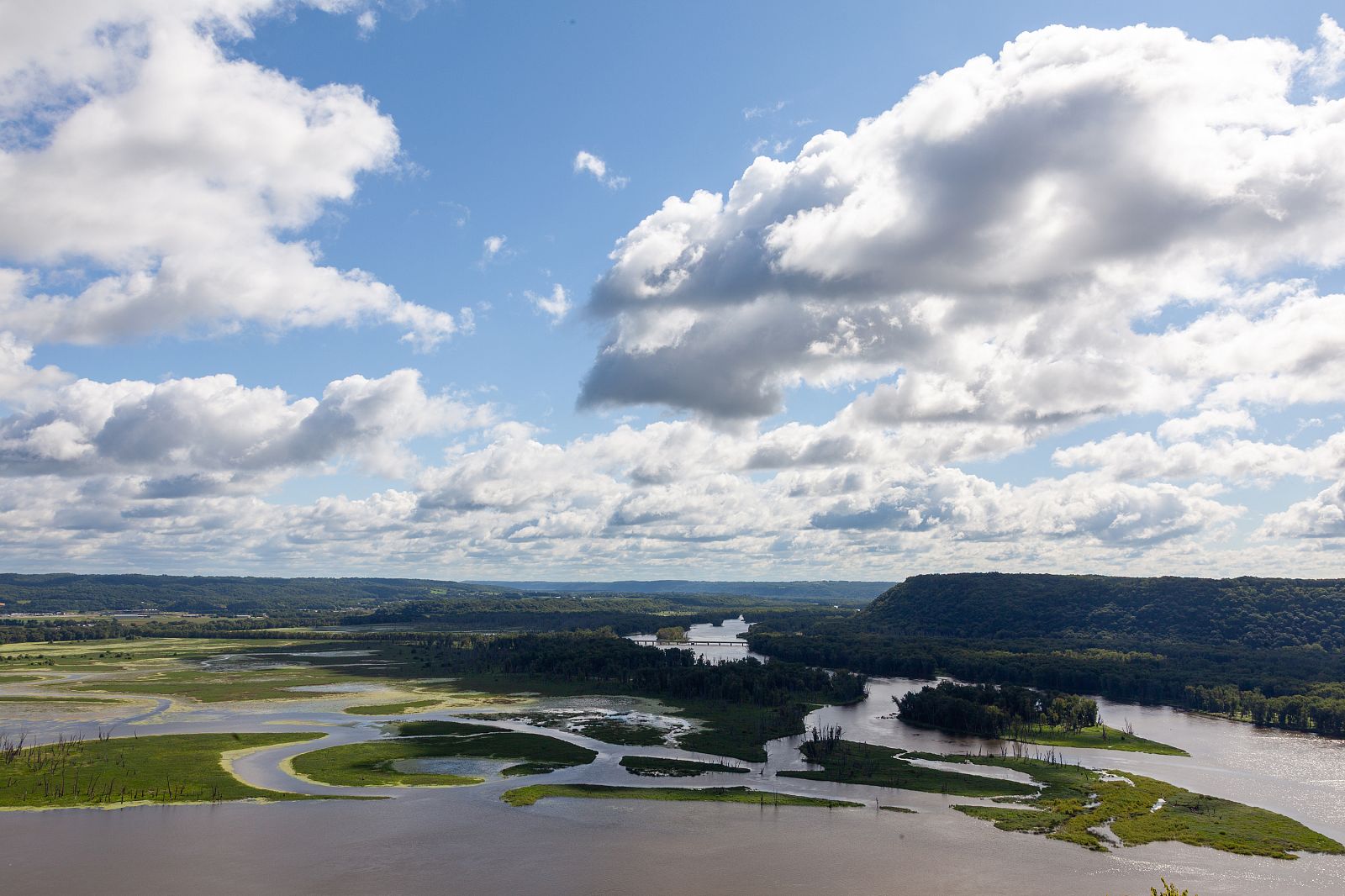
This became the central lens through which I wanted to tell the story of Backwater Truths; where the layering, aliveness, and cartographies of “overflow,” “flooding,” “ecological catastrophe,” mounds, dams, water, and words used to describe what is and was the Mississippi River, becomes known in conjunction with the lived realities of the communities who are impacted by her. This is why this exhibition will start with the remembrance of the 1927 flood, which Mizelle describes as the “most destructive flood in recorded history along the lower Mississippi River Valley…Ninety-four percent of more than 630,000 people affected by the flood lived in the states of Arkansas, Mississippi and Louisiana, most in the Mississippi Delta Region…some areas along the route of destruction saw the river escape its natural and man-made confines and spread 50 miles wide. Below Memphis, Tennessee, the width of the river was around 60 miles.” I understand the Mississippi River as a being within herself, and as many who have interacted with her do, “she” is referred to in the likes of personhood. Interacting with the aliveness of the river comes with people telling you “to be careful,” that “I am not going over there,” and for me, I believe there are stories the water holds that go up and down the river, knowing you never step into the same body of water twice. I felt deeply into Mizelle’s making of what happened in 1927: “the river wanted to spread over its natural floodplain and reclaim what was once its own, but too confined between mountains of artificial levees and dirt. Finding no other way, the Mississippi River ultimately had to make its own outlet, bursting and conquering humans’ feeble attempt at levee control throughout the Mississippi Valley basin.” The dehumanization that was inflicted on Black and Indigenous lives must continue to be discussed through the context of environmental racism, forced labor of Black people to work on the levees, being without food on strips of lands along the Mississippi for weeks, and sites that are a violent remembrance of slavery and colonization. What all the stories of the Mississippi River are in sum of is that, ecological man-made destruction causes human and non-human realities and livelihoods to drastically change.
Backwater Truths continues a conversation about how the river is discussed and engaged across different regions, from the Midwest to the Gulf South, an exhibition that evolves as it moves upriver and downriver along the Mississippi River. At each site, the showcasing of the exhibition’s research, programming, By responding to local histories, it allows St. Louis narratives to flow to New Orleans, New Orleans stories to return to St. Louis, and new meanings to emerge along the way.
Rather than presenting the region as something to be newly discovered or reinterpreted for an external audience, Backwater Truths adds to the discourses and practices already taking place within these regions. Through the framework of "giving up on citizenship," for a public audience encountering this work outside of academic frameworks, the exhibition makes visible the complications of place, history, and representation. It challenges viewers to reconsider how narratives of distance, progress, and authority shape their understanding of communities along the river’s banks.