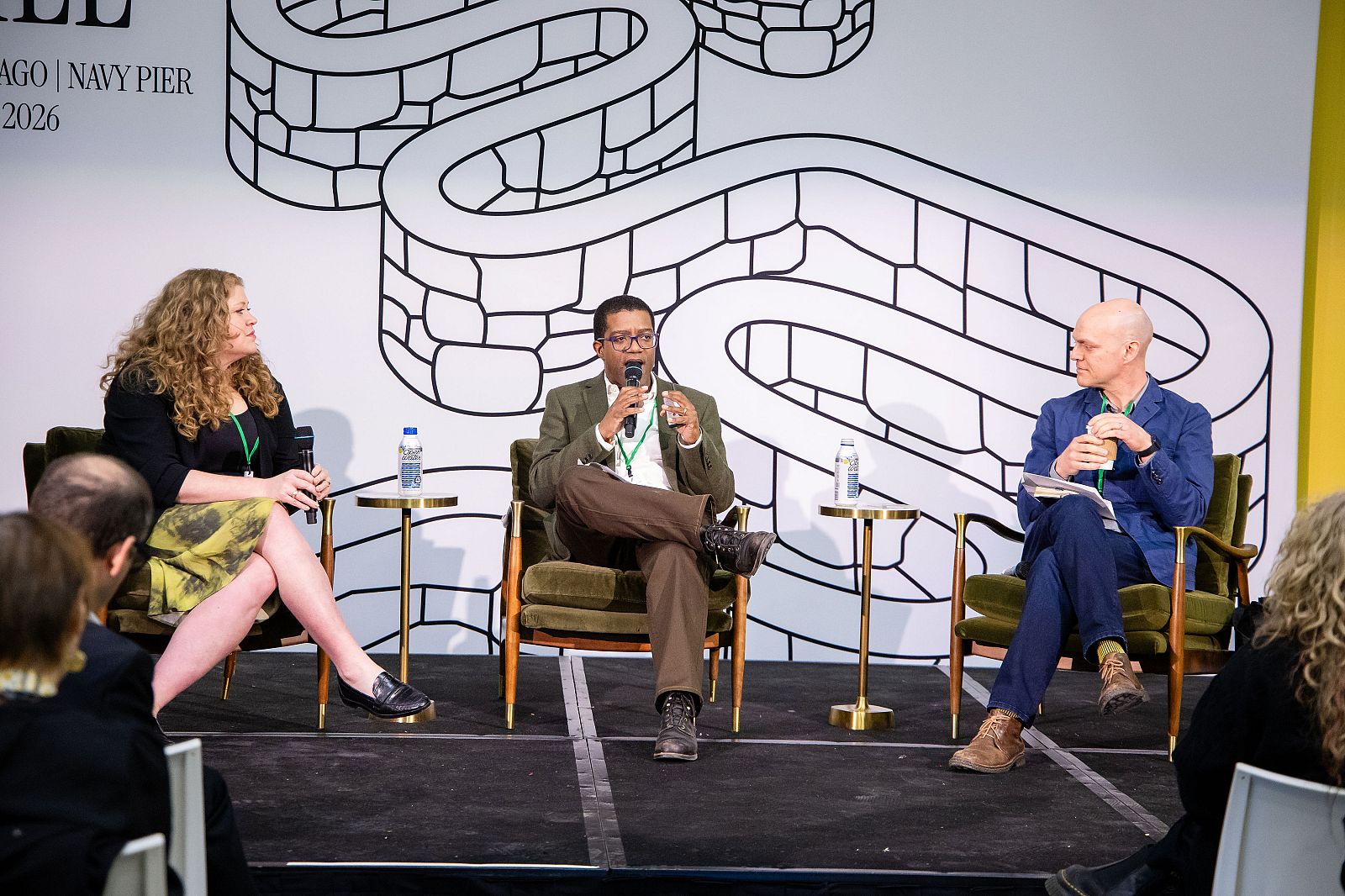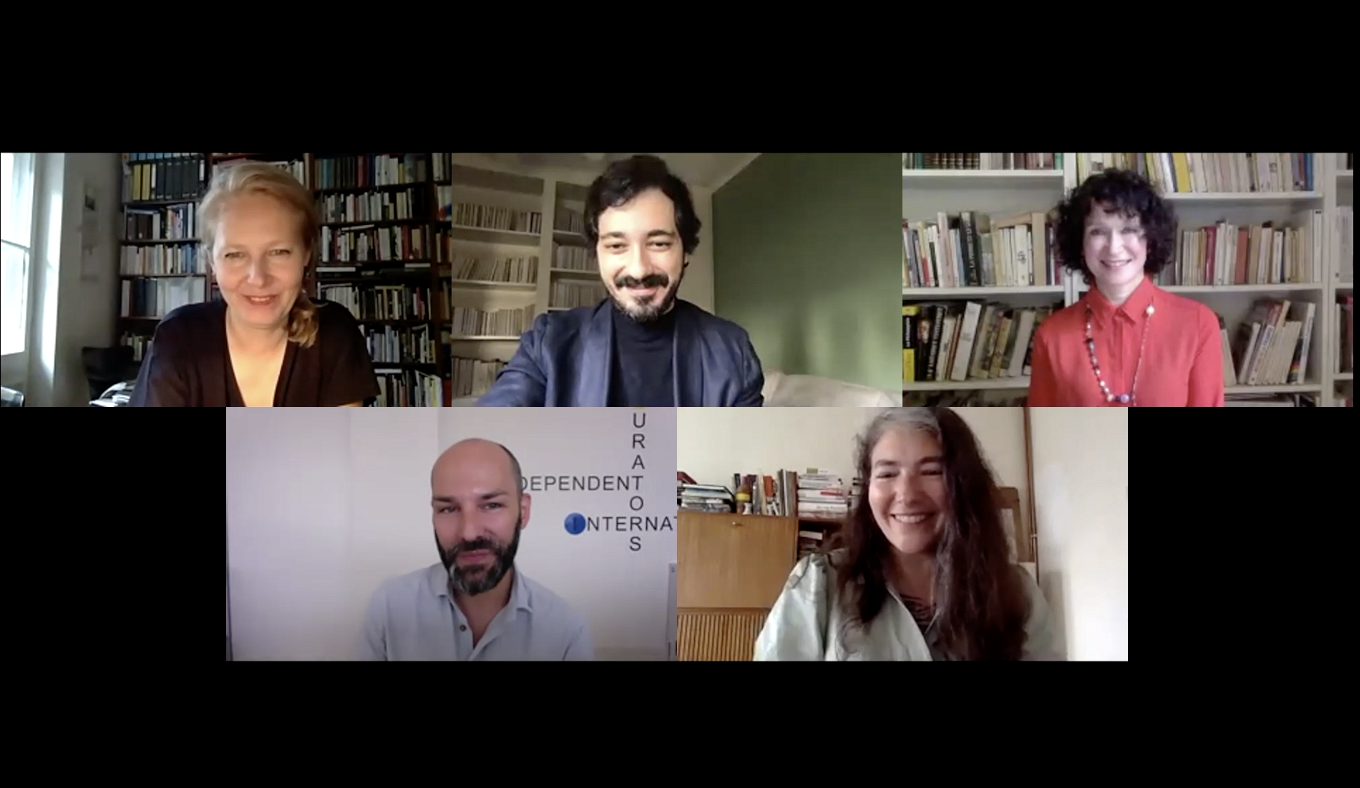
In a two-day public conference, “Curating Today: Reimagining the Civic” brings a global and intergenerational group of arts practitioners together to present an expansive range of curatorial models and, through panels and discussions, offer new possibilities for what curating can do and be.
Curators have historically been understood primarily as exhibition-makers and caretakers of collections within institutional settings. Over the past two decades, however, a parallel definition has gained prominence: the curator as a civic leader, who engages with social and cultural issues through the art of our time. The themes of “Curating Today” reflect on major transformations in society, and the role that art and culture play in it: growing social fragmentation, political polarization, and economic precarity; a shift in audience expectations from spectatorship to participation; and declining trust in public institutions and increasing attacks on independent thought.
Around the world, curators have responded to these transformations with new forms of practice, ones that broaden cultural narratives to inspire collective action and foster a sense of belonging, dialogue, learning, and civic engagement. Many of the field's most innovative responses have emerged from curators who are working beyond the traditional boundaries of institutional practice: they are developing new curatorial models, building cultural infrastructures and forms of public engagement, often due to a lack of state or institutional support.
Yet these developments in curatorial practice have not been embraced evenly across the cultural ecosystem. Among art and academic institutions in particular, the lack of consensus in defining curating—what curators do, whom they serve, and how they create public value—has fueled recent debates about the future of independent curating, the growing administrative demands placed on cultural workers, and the role of cultural institutions in public life. By opening a dialogue to directly consider these issues with speakers spanning several generations and representing curatorial practices from around the world, this conference seeks to define curating in civic terms, first. In turn, by reimagining the civic through curatorial practice, we can gain insight into how curators are uniquely positioned to help communities navigate the conditions of our time through contemporary art.