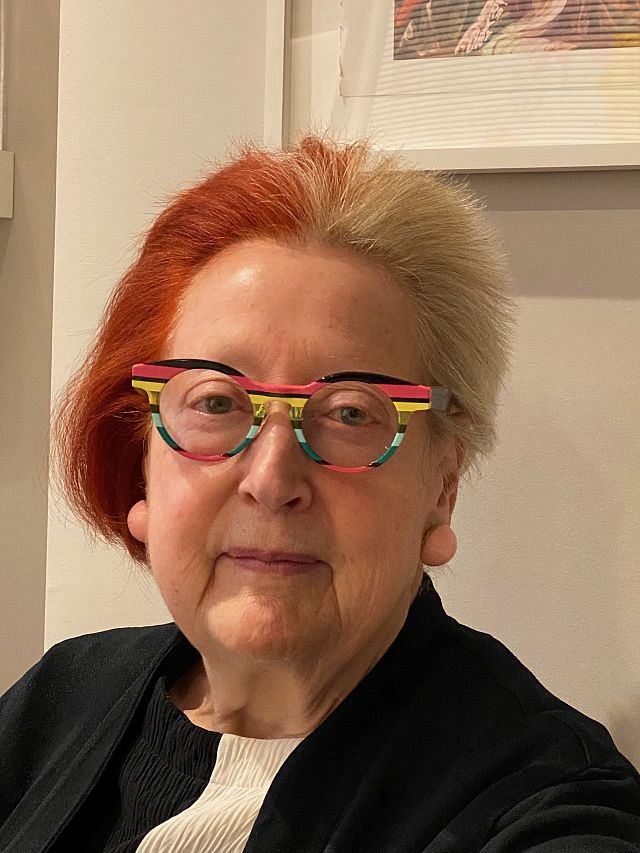
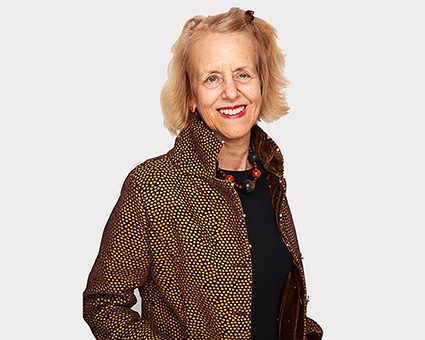
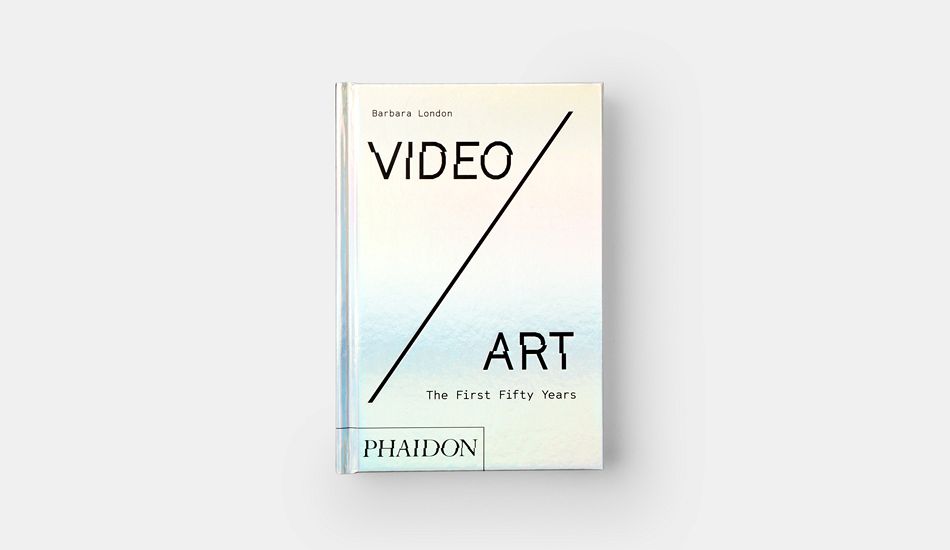
Curator Barbara London is synonymous with new media. She founded the Video-media Exhibition & Collection Programs at MoMA, was among the first to integrate the internet into curatorial practice, and has organized some of the most groundbreaking media art exhibitions of the last 50 years. In the 1970s, few people shared London's interest in video, but one was Nina Castelli Sundell, who after overseeing Castelli-Sonnabend Tapes and Films, became one of ICI’s co-founders.
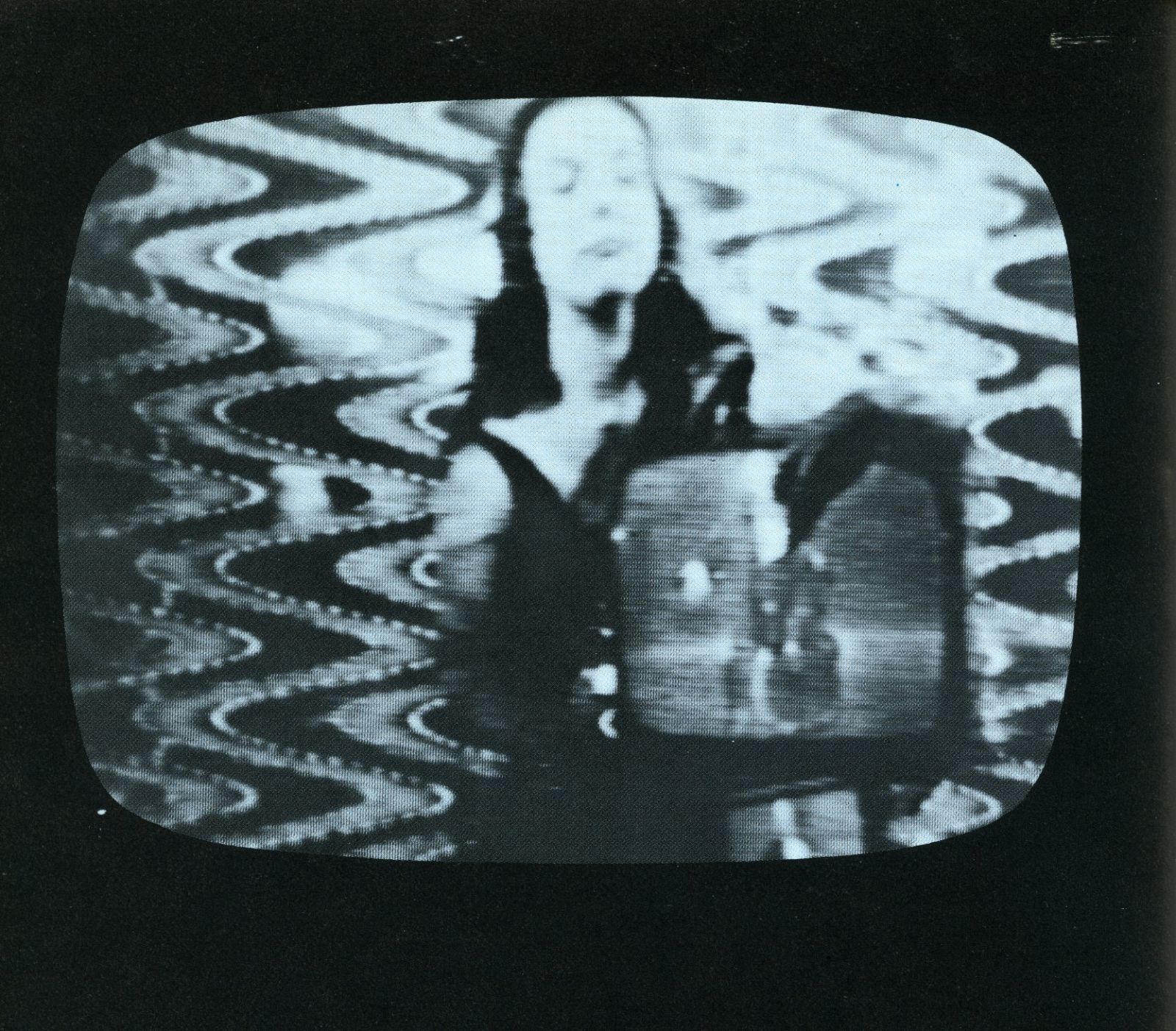
"[At his gallery,] the urbane Leo Castelli would courteously say hello before I disappeared into a tiny, airless closet of a viewing room, where I spent long afternoons previewing unlimited-edition independent videos, overseen initially by the dealers’ daughter, Nina Castelli Sundell, and then by Joyce Nereaux, who continued to run the archive tucked away in a back room. One day in 1974, Nereaux handed me…the new Castelli-Sonnabend Tapes and Films catalog with insightful texts written by art and film theorists."
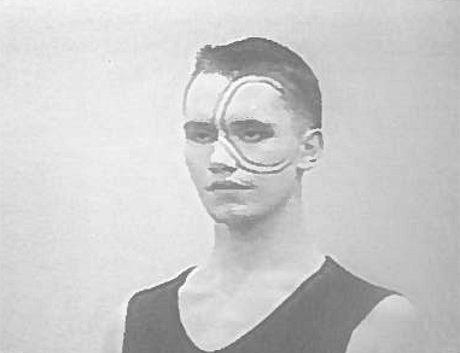
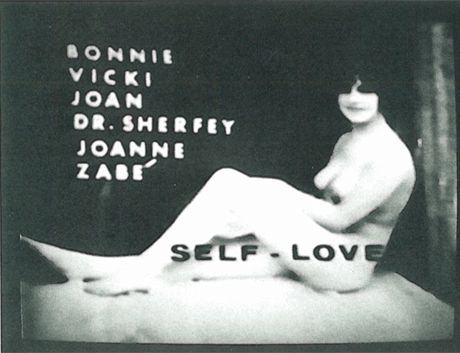
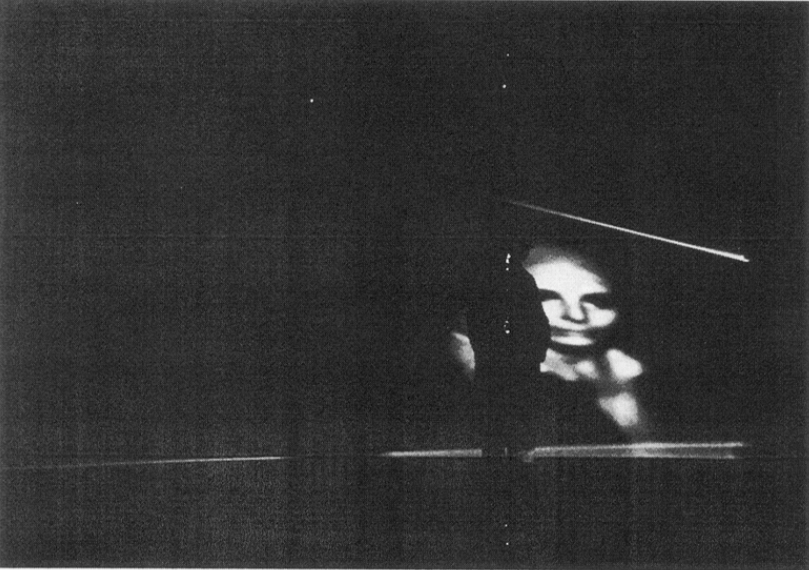
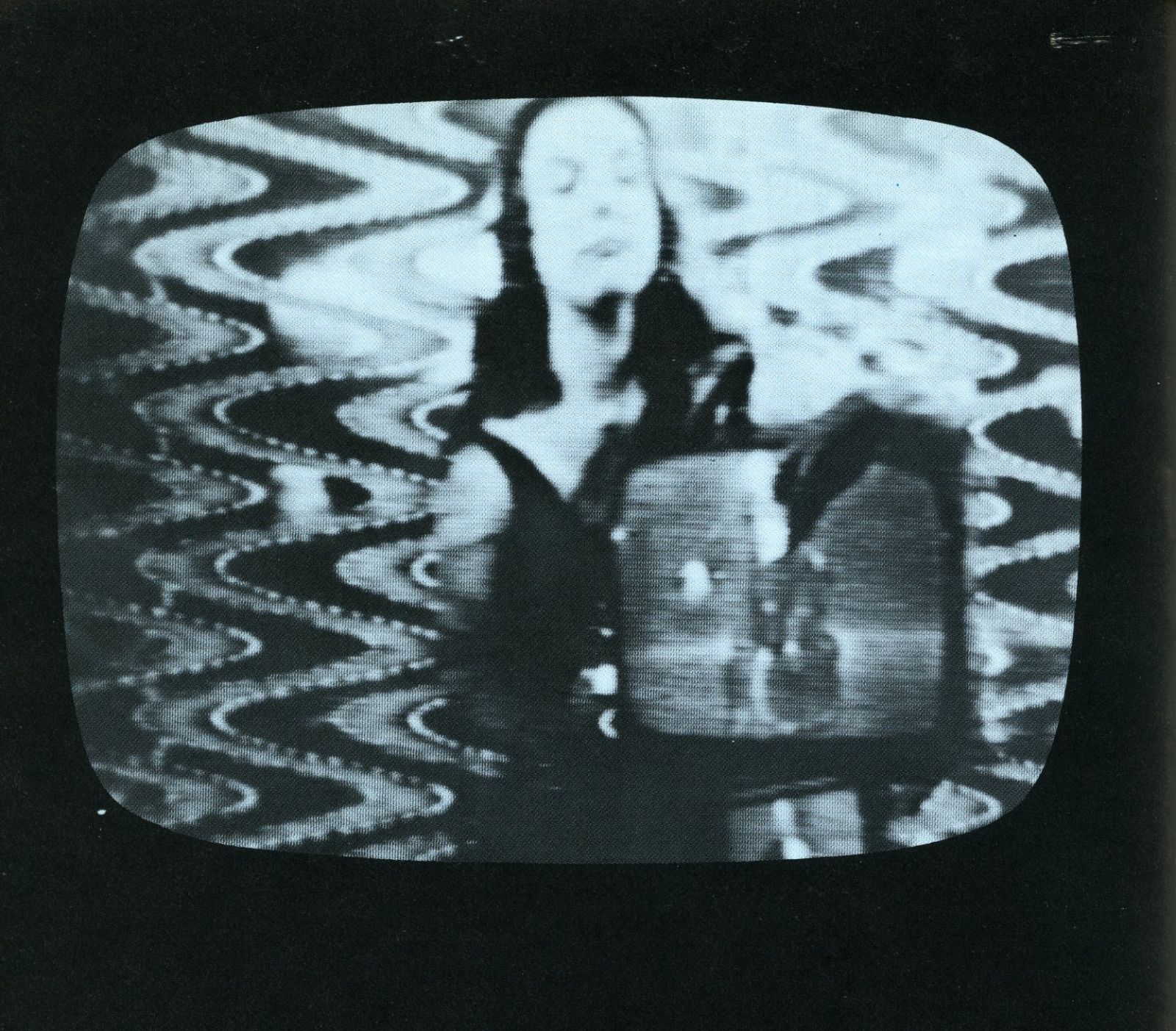
Sundell and Susan Sollins’s championing of video and new media was a crucial part of ICI’s early years. VIDEOART U.S.A., a touring version of Suzanne Delehanty’s groundbreaking exhibition, was ICI’s first exhibition and premiered at the São Paulo Biennial. ICI exhibitions helped increase the reach of artists like Bruce Nauman, Nam June Paik, Laurie Anderson, and Dara Birnbaum.
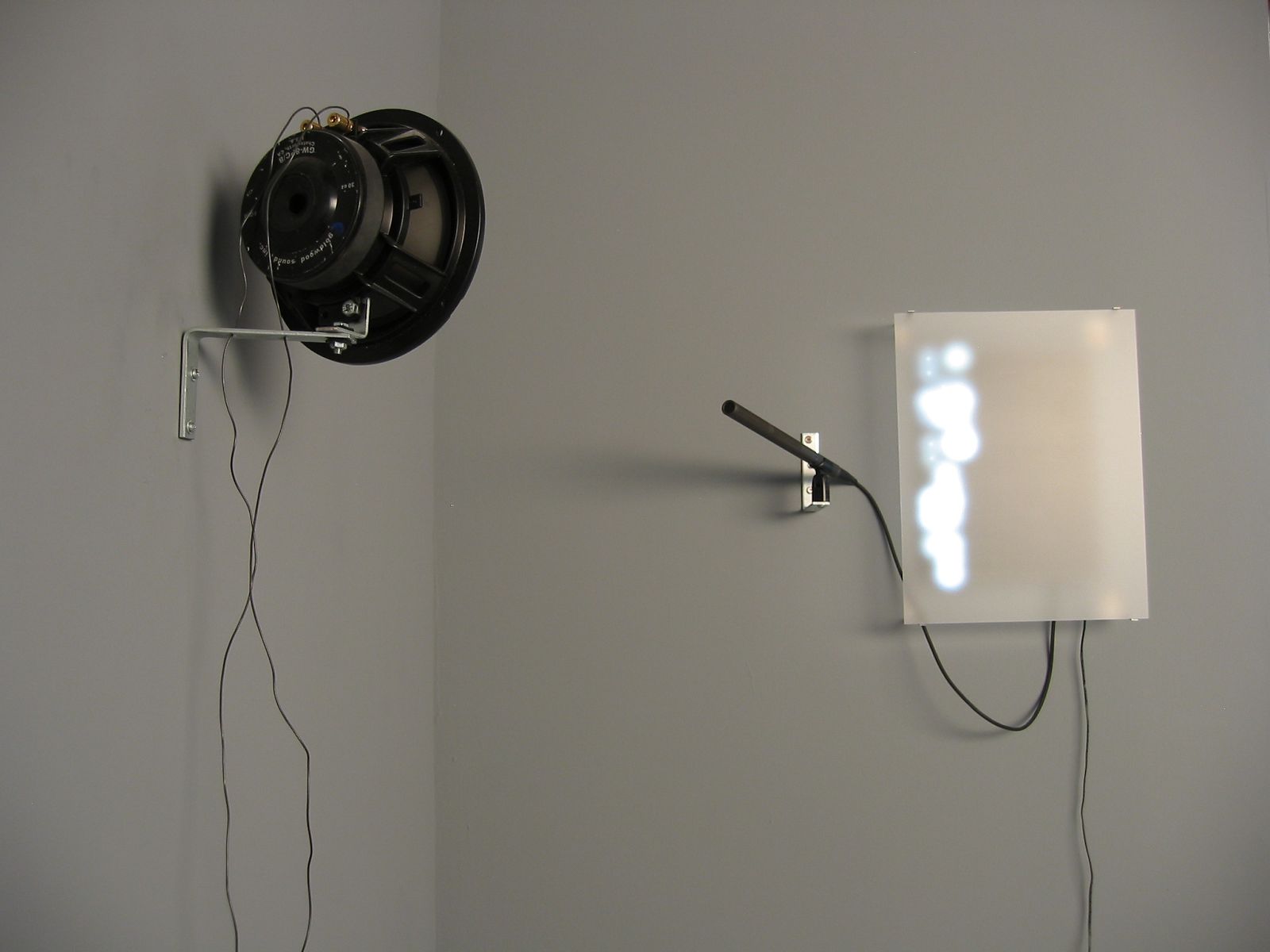
“A decade ago, when video art was a new phenomenon, critics noted three major areas of activity: performance related tapes, recording actions conceived by the artist either for a live audience or specifically for the video camera; tapes using electronically generated imagery; and those essentially documentary or political in nature. Though the situation has evolved, and artists' video has become in many respects more sophisticated, this classification is still valid, and forms the basis for the program selection of this year's Traveling Video Festival.”
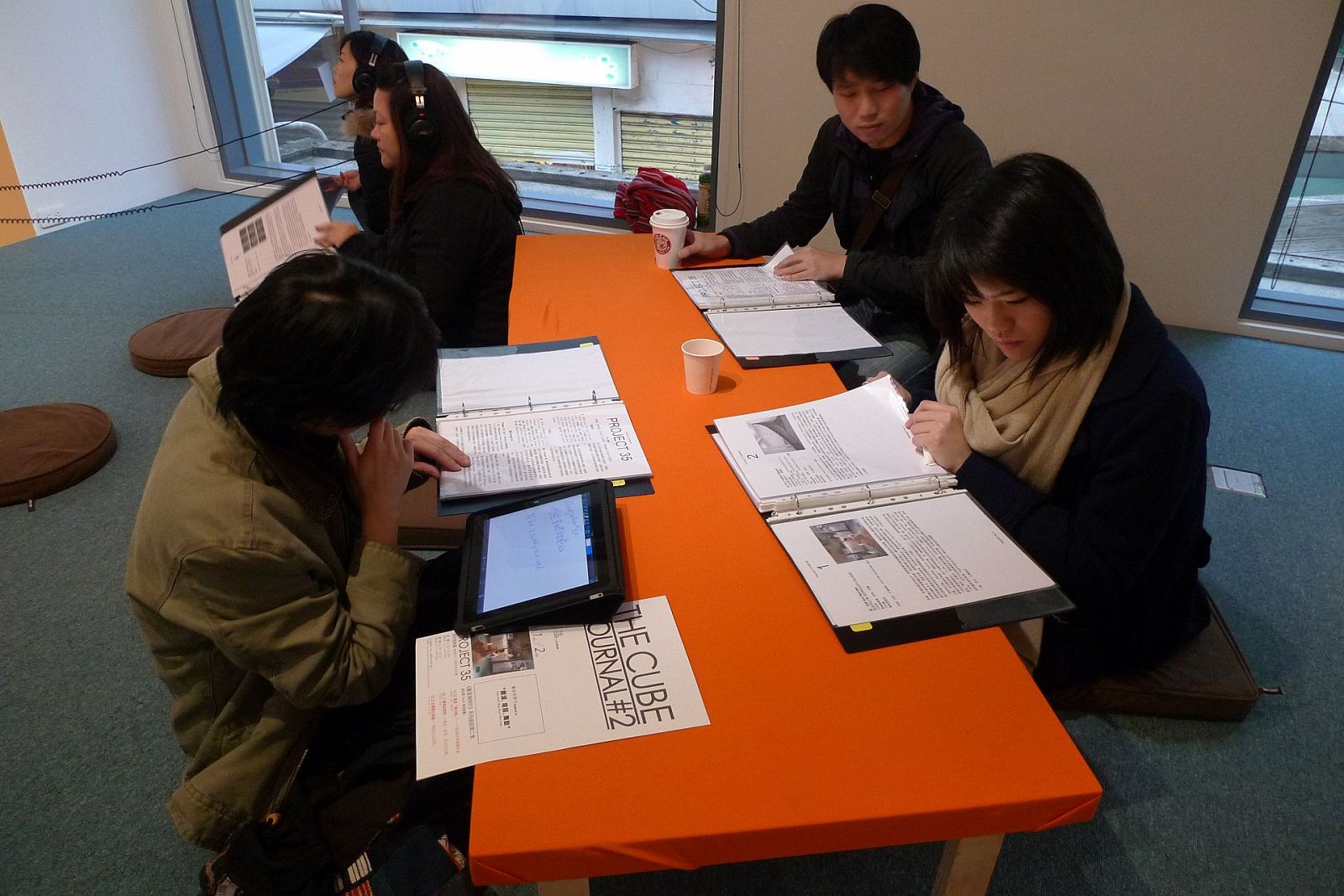
In the 2000s and 2010s, ICI built on the work of curators like Barbara London and their expanded interest in new media to explore relationships between sound and visuality. We also marked our 35th anniversary with a celebration of the versatility of video, Project 35, which visited 36 cities and became one of ICI’s most widely-traveled exhibitions.
-
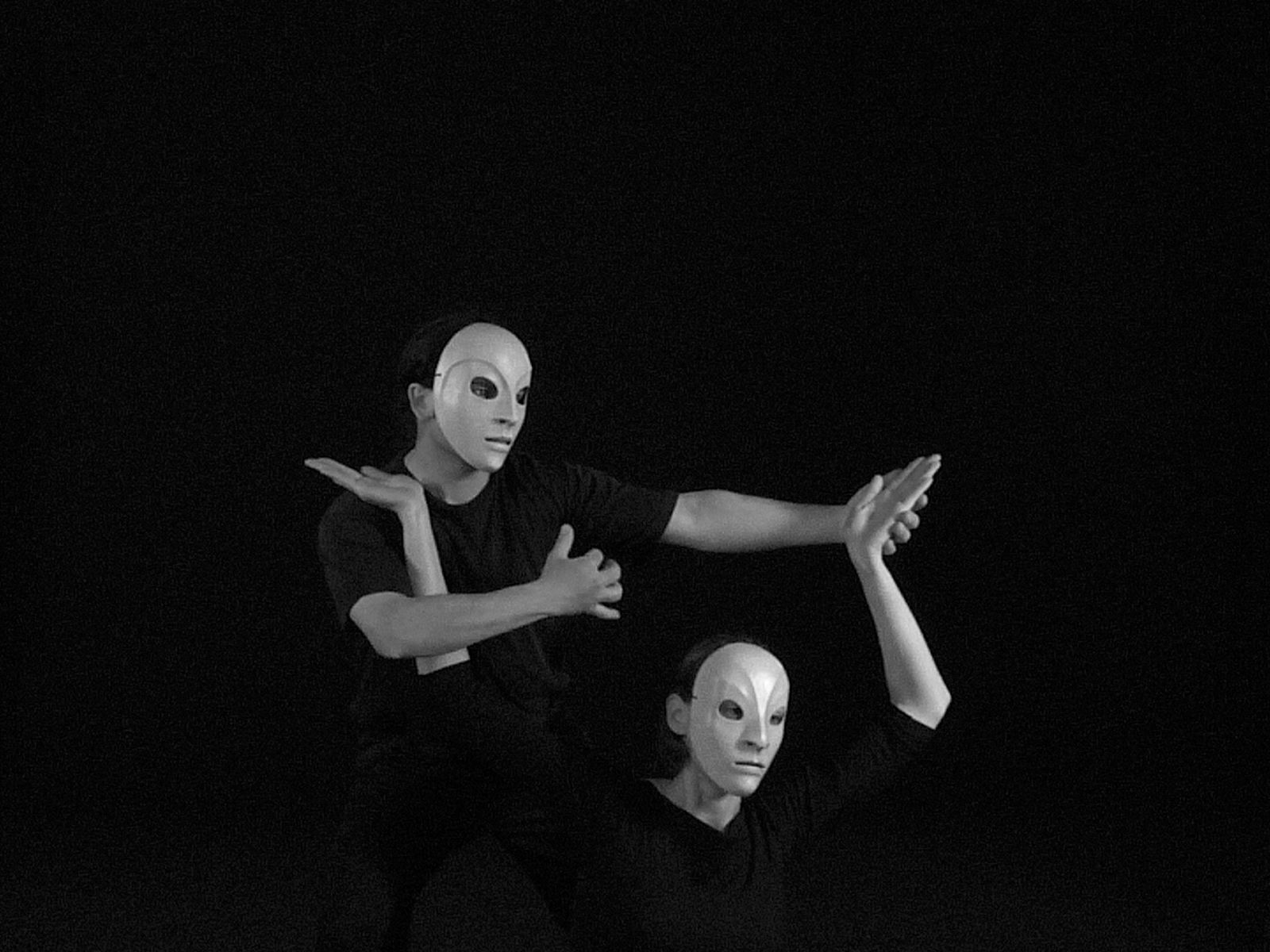
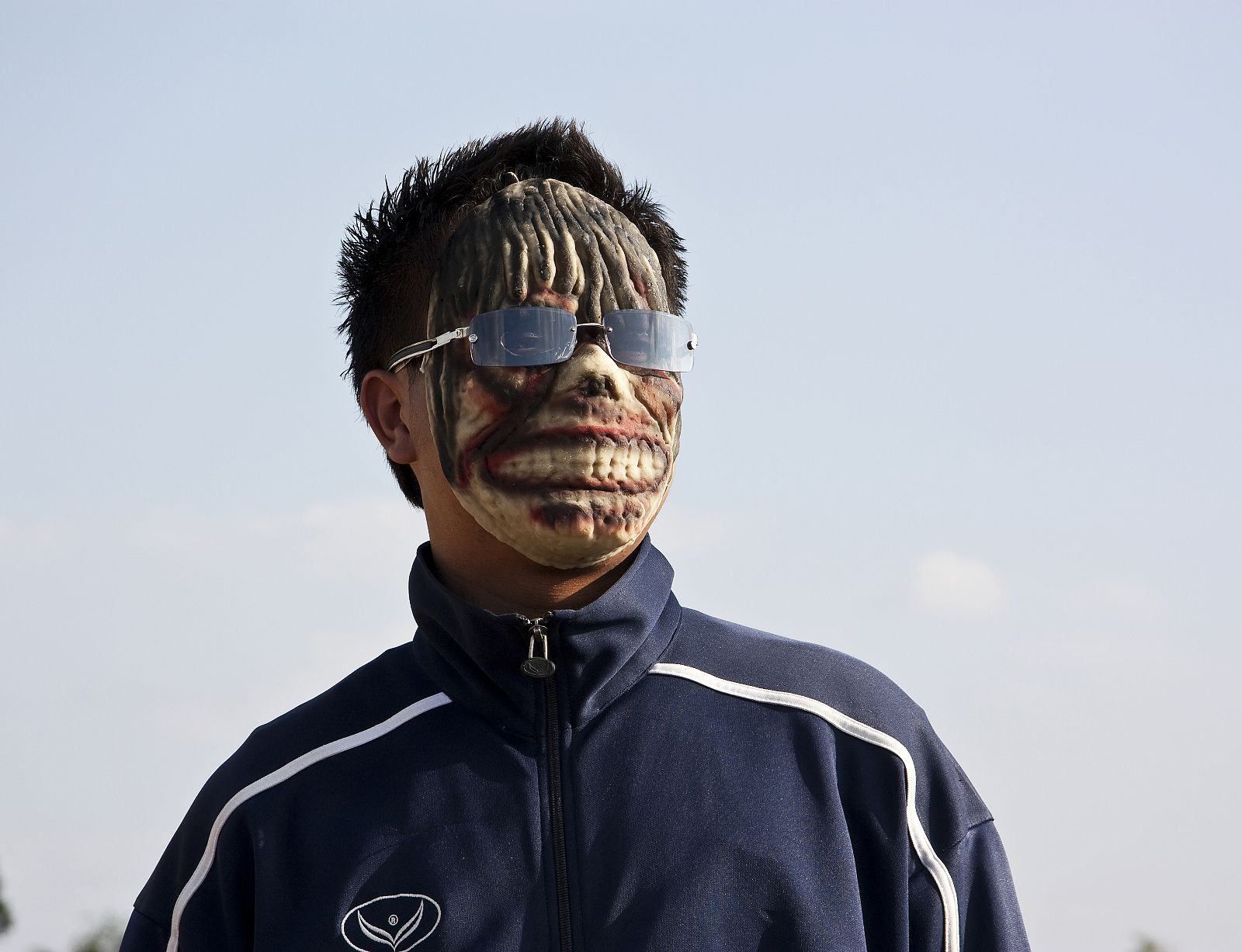
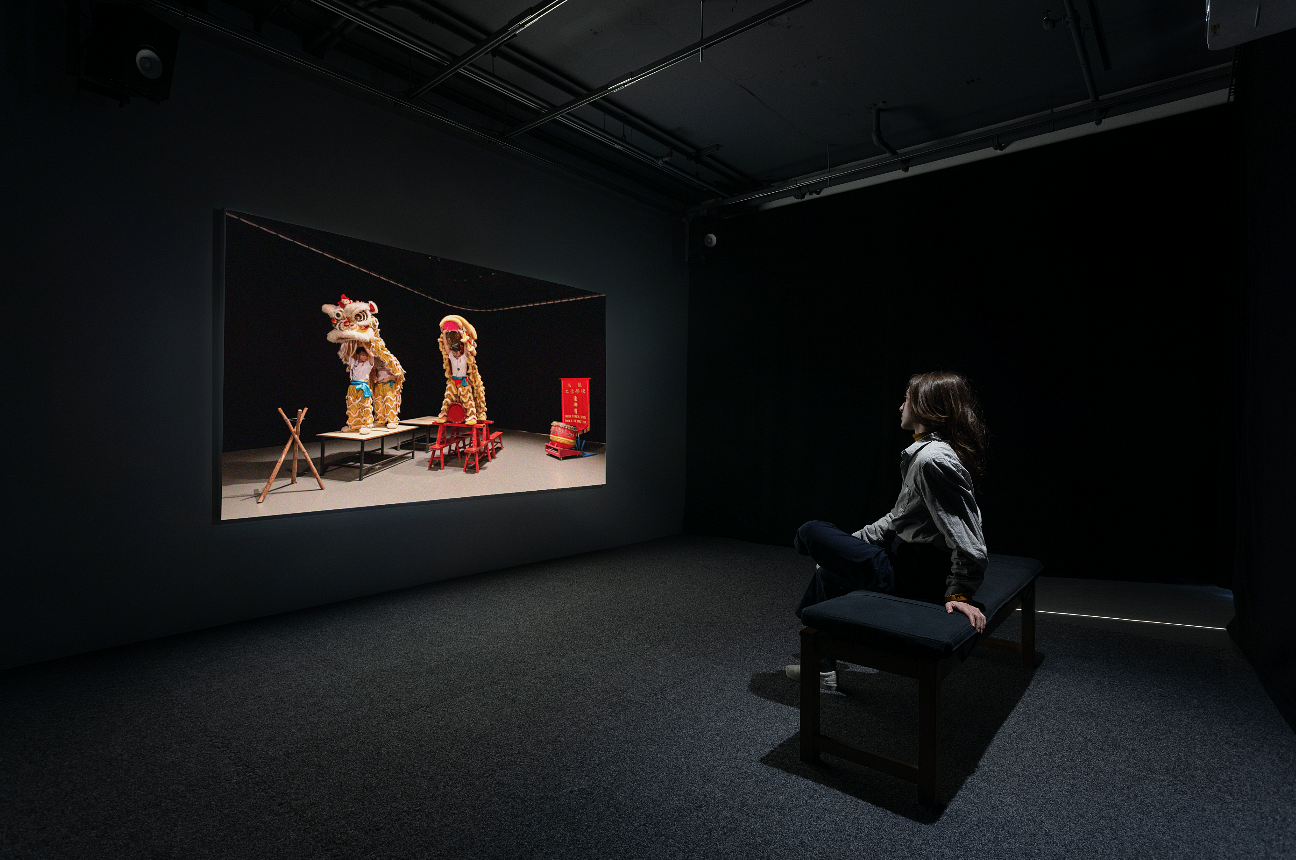
Samson Young, Muted Lion Dance (2014), installation view, Seeing Sound at KADIST San Francisco, 2021. (Photo: Jeff Warrin)
-
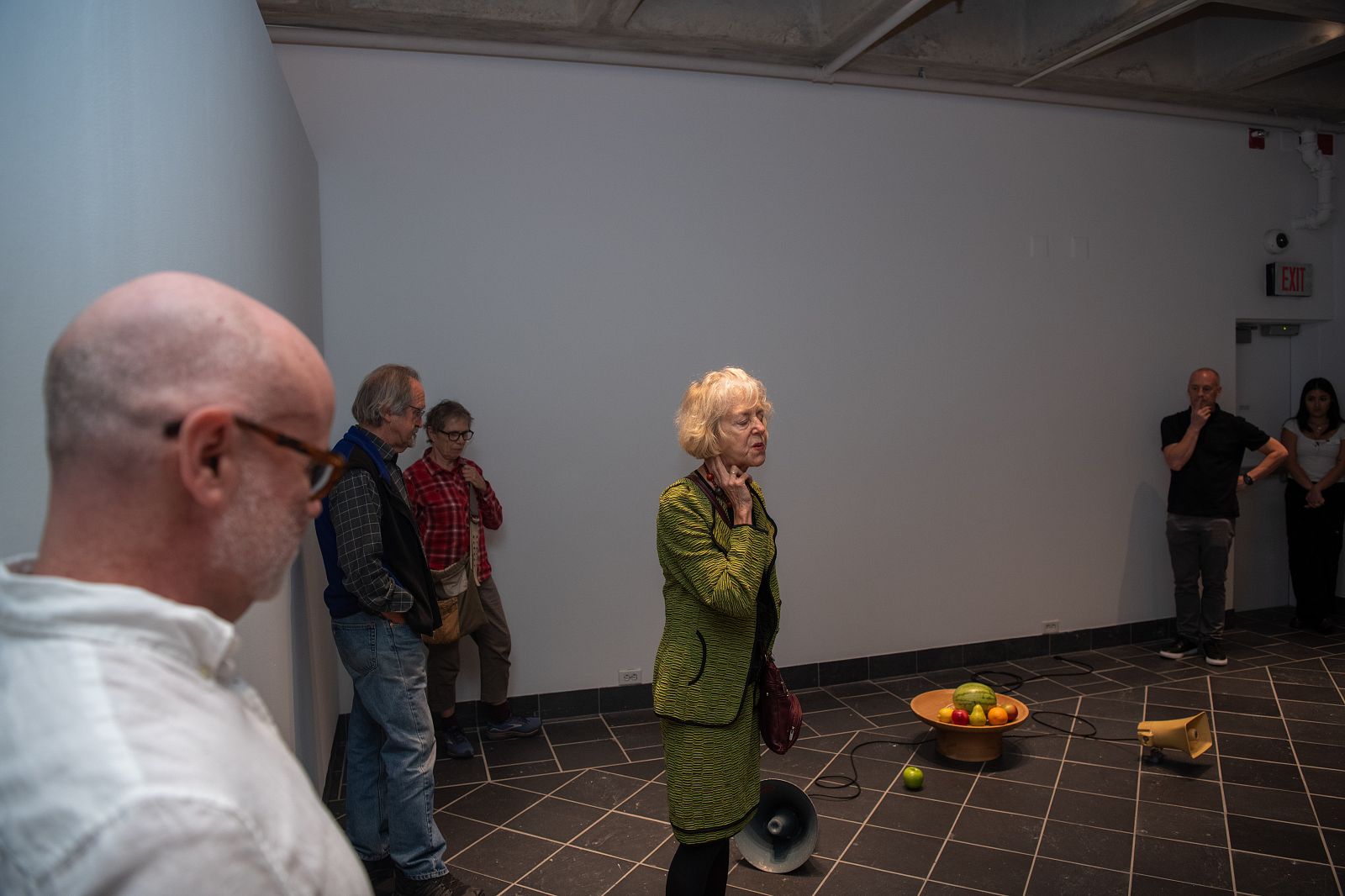
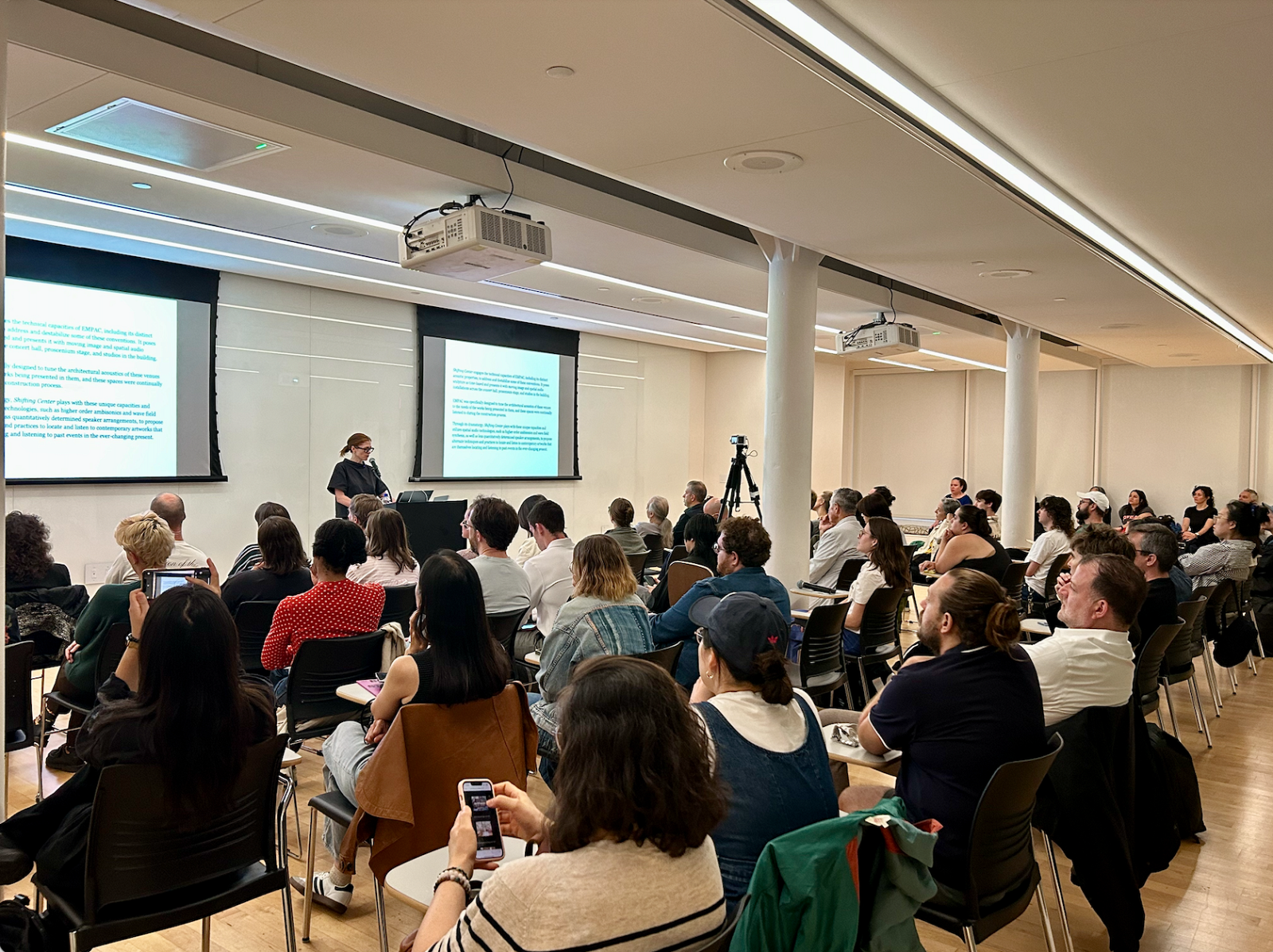
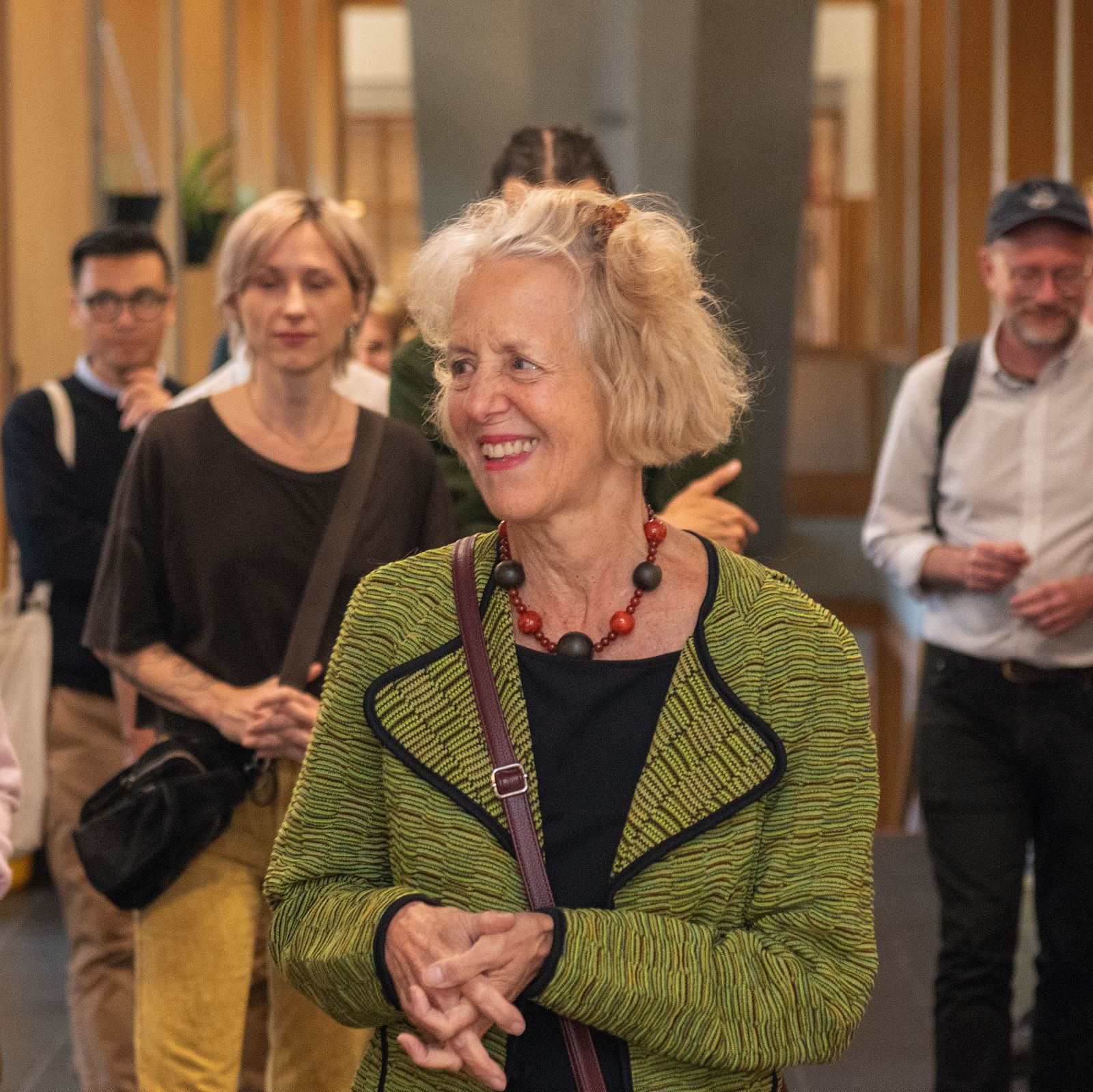
Barbara London presents a curator tour of Seeing Sound at Cantor Fitzgerald Gallery, Haverford College, Haverford, PA, 2023. (Photo: Holden Blanco, Courtesy of CFG and ICI)
-
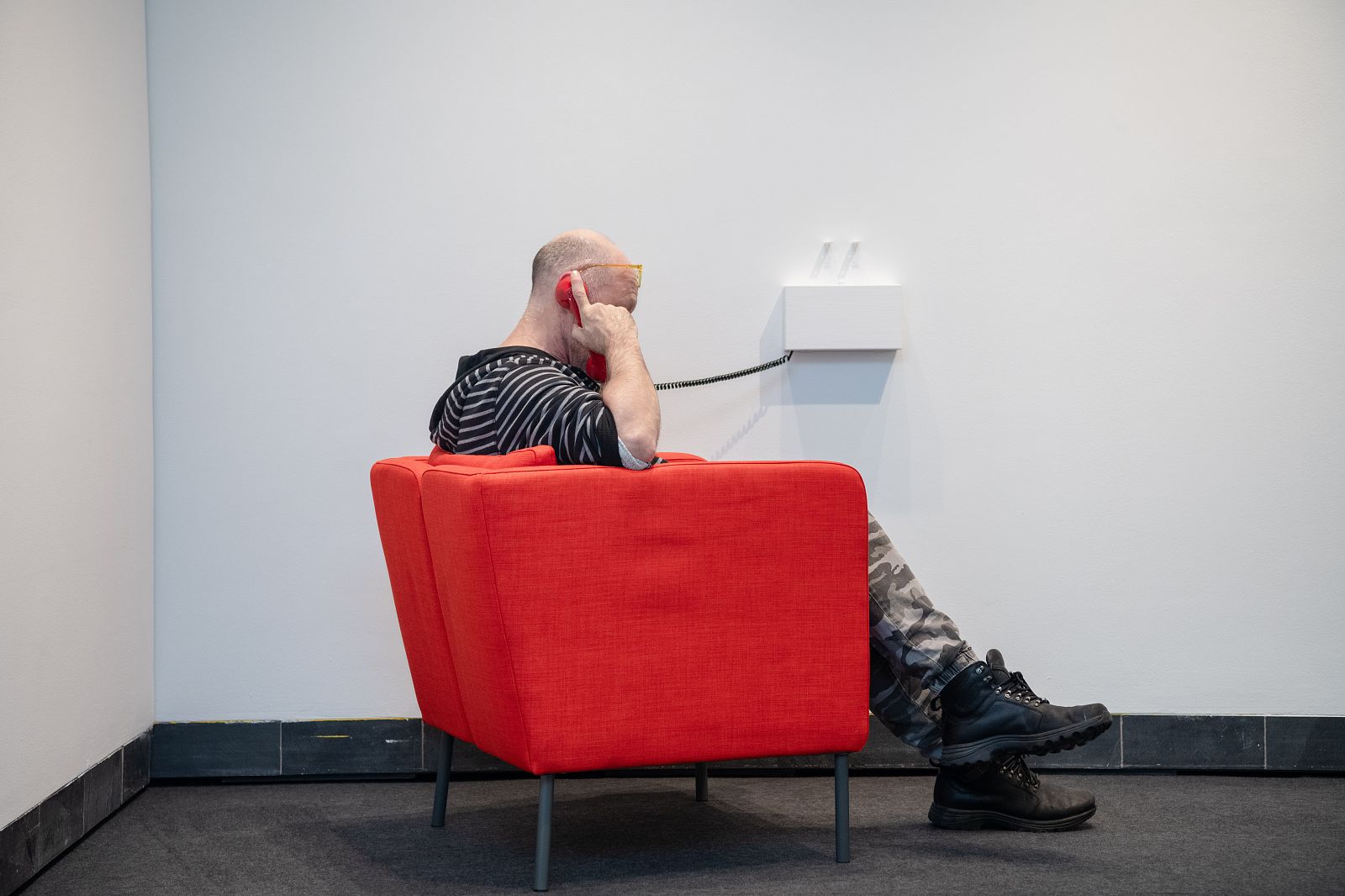
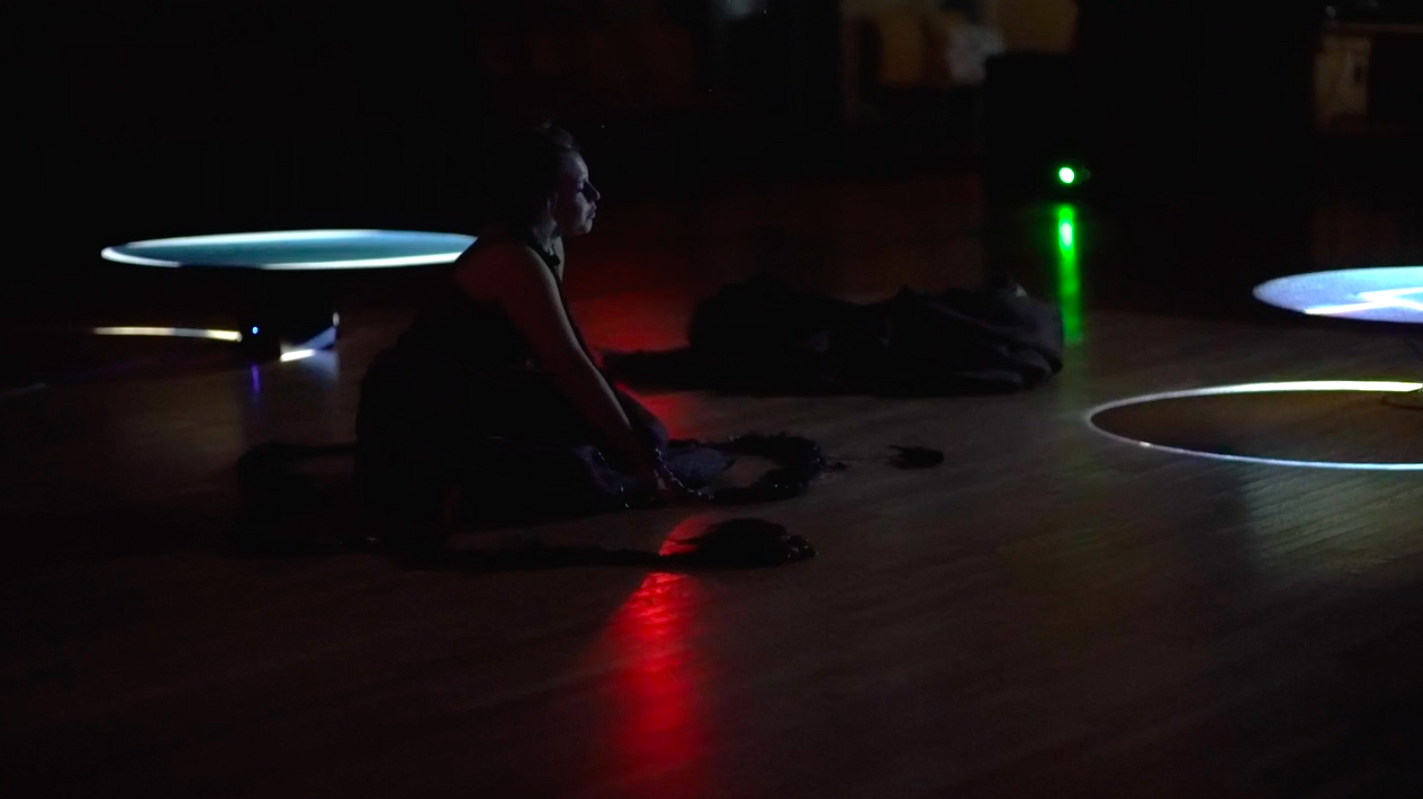
Aura Satz, Dial Tone Drone (2014). Installation view, Seeing Sound, Cantor Fitzgerald Gallery, Haverford College, Haverford, PA, 2023. (Photo: Holden Blanco, Courtesy of CFG and ICI)
-
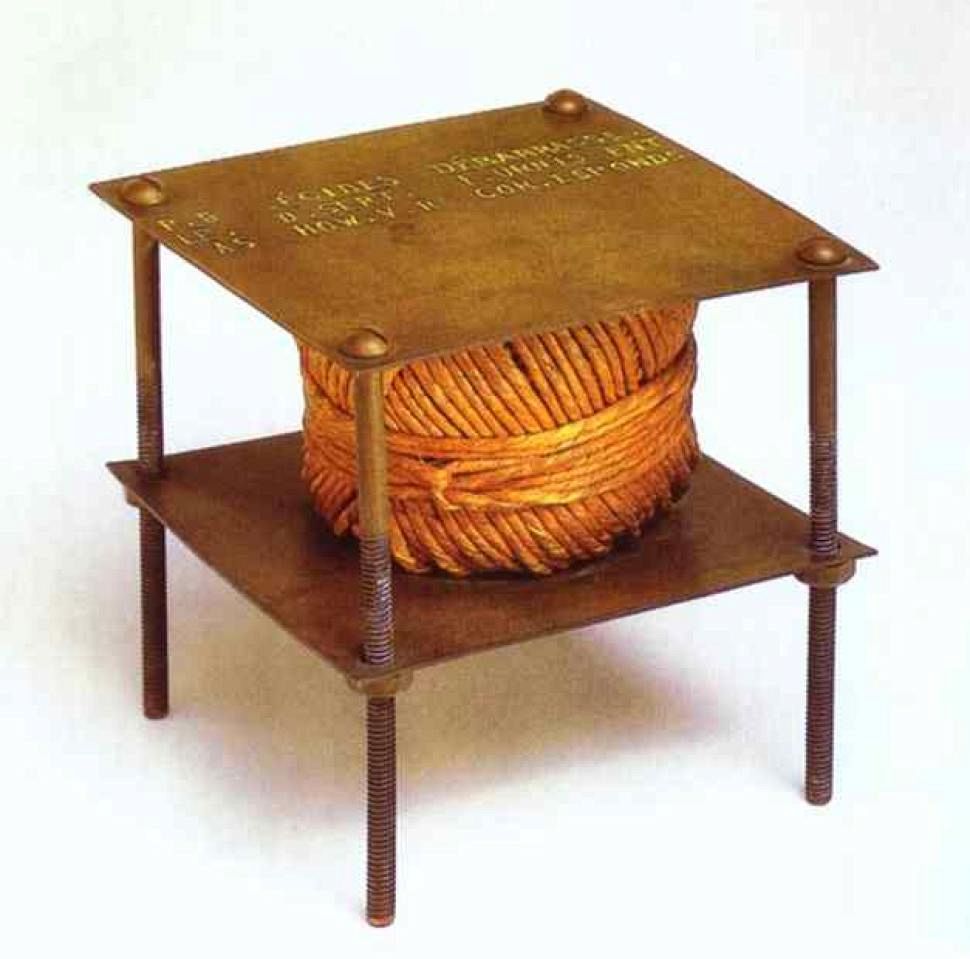
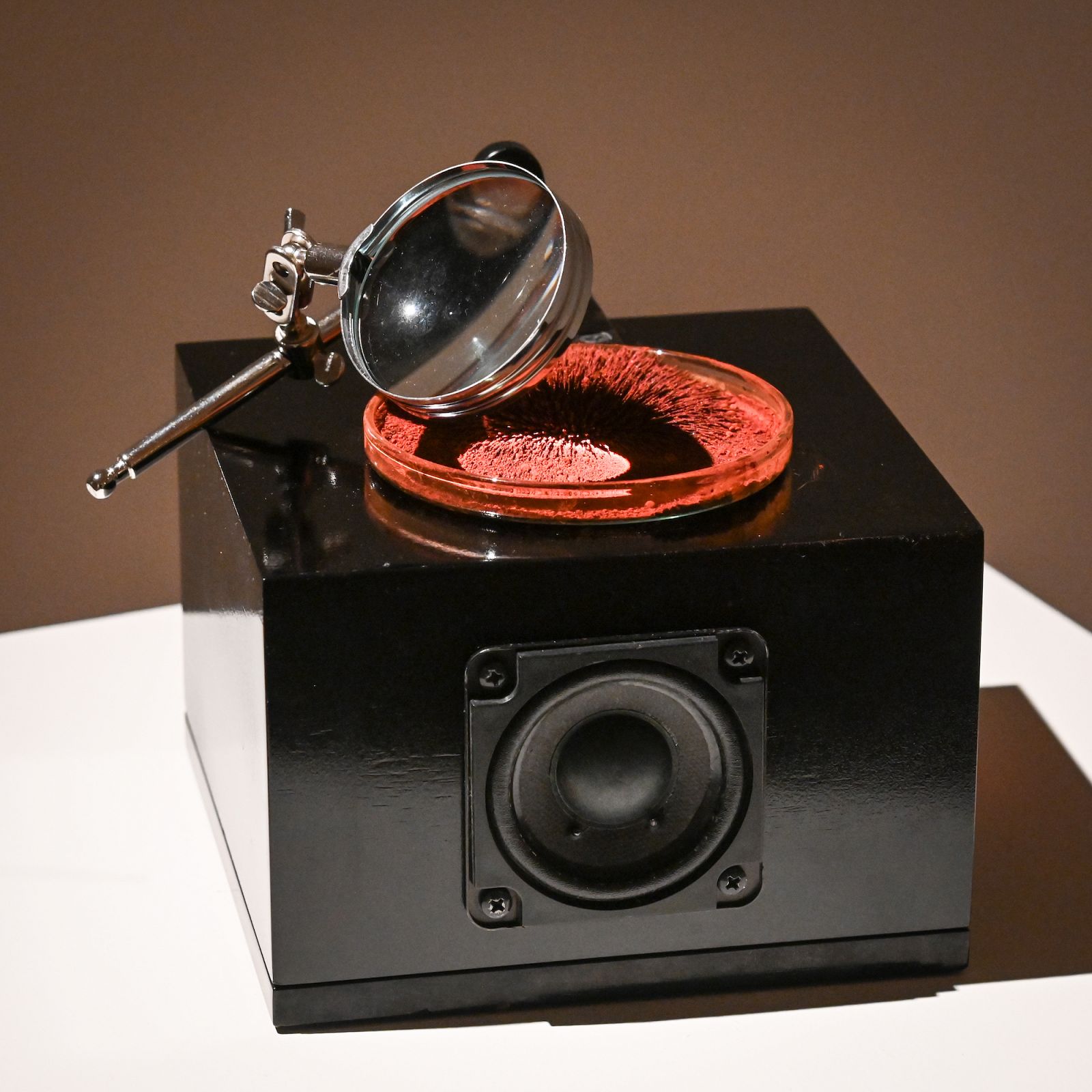
Juan Córtes, Magnetic Landscapes (2012–2013). Installation view, Seeing Sound, Samek Art Museum, Bucknell University, Lewisburg, PA, 2024. (Photo: Courtesy of Samek Art Museum, Bucknell University)
-
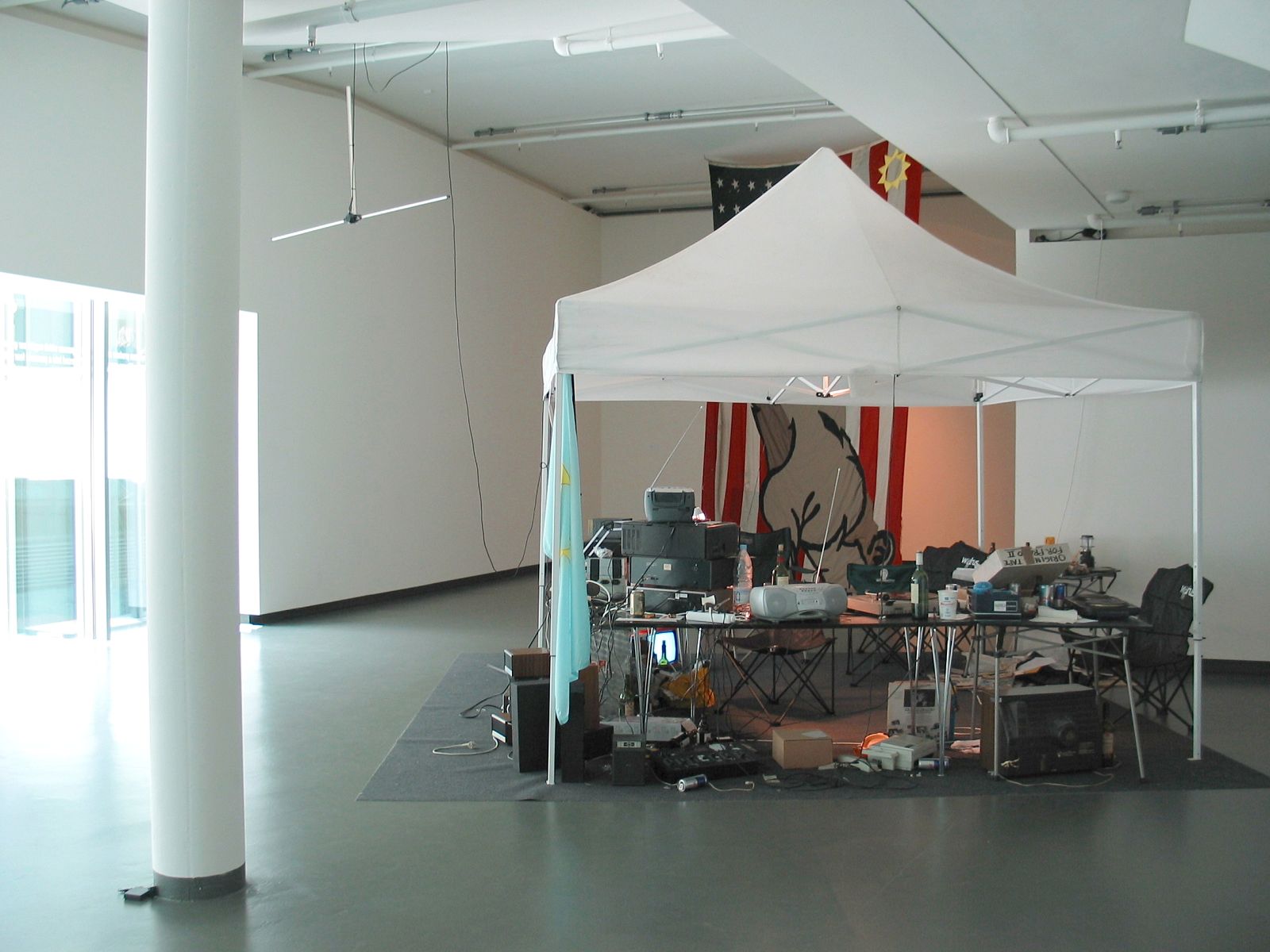
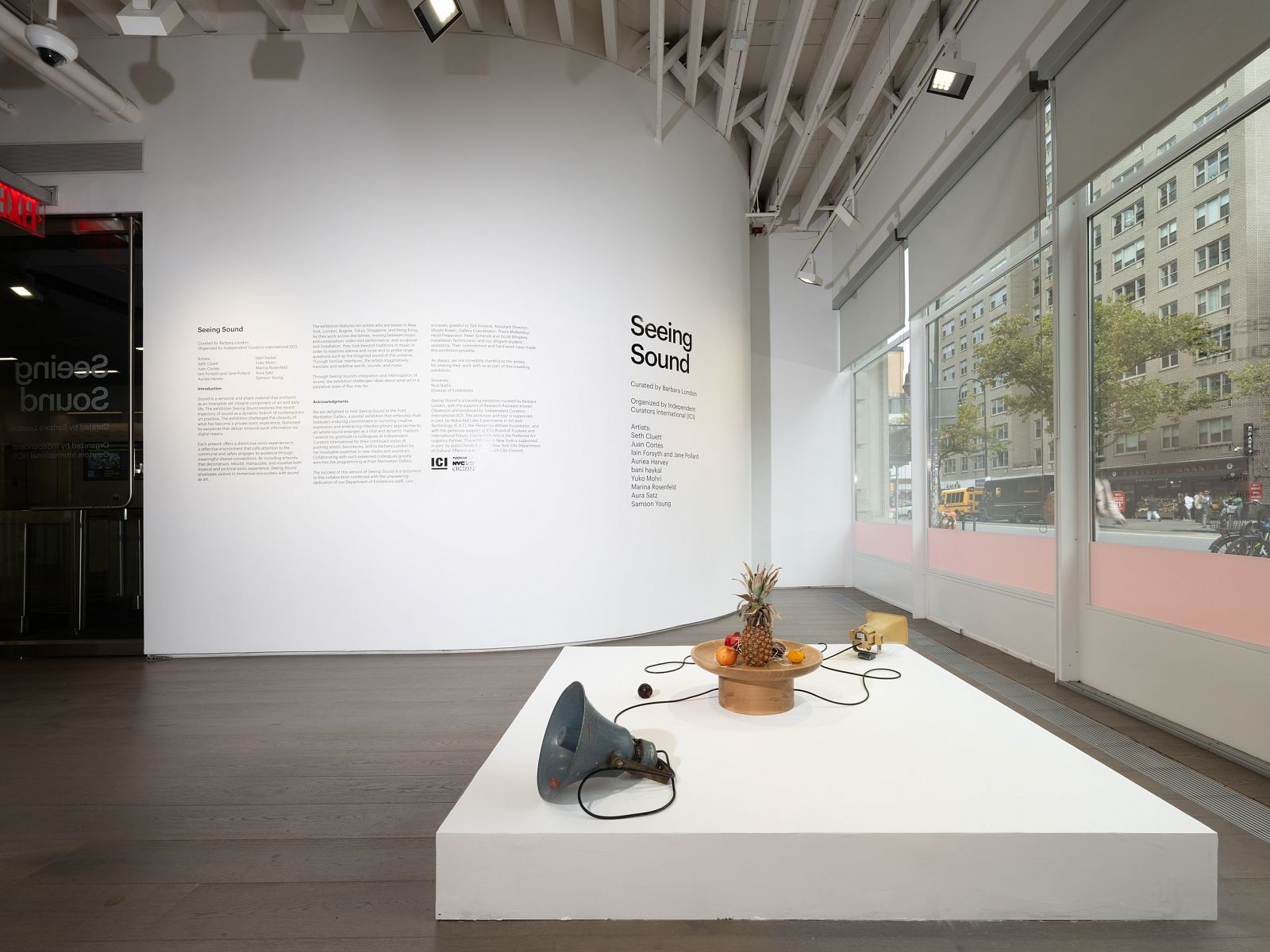
Installation view, Seeing Sound, Pratt Manhattan Gallery, New York, NY, 2024. (Photo: Jason Mandella Photography, Courtesy of Pratt Manhattan Gallery and ICI)
-
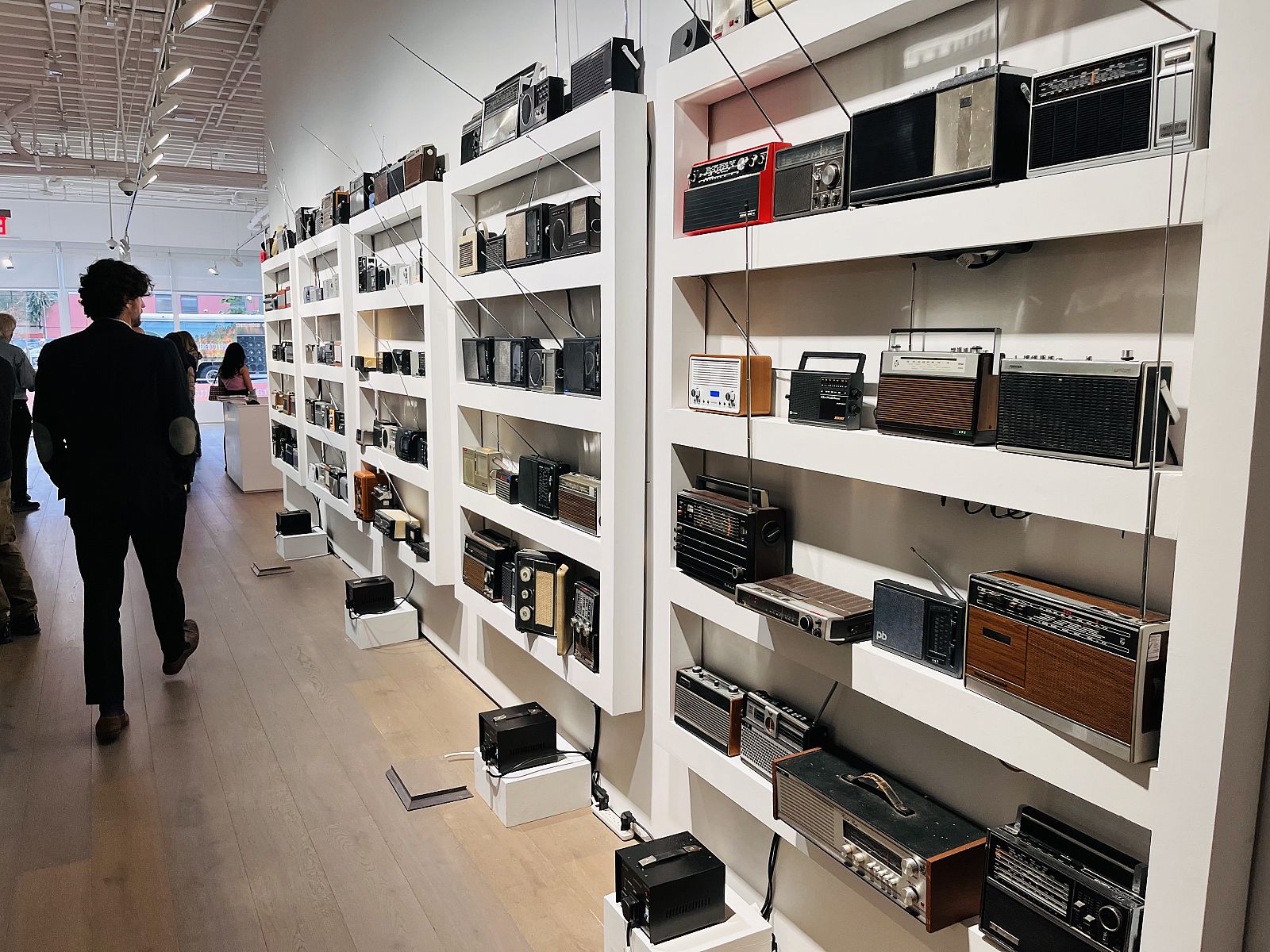
Iain Forysth and Jane Pollard, Requiem for 114 Radios, 2024. Installation view, Seeing Sound, Pratt Manhattan Gallery, New York, NY, 2024. (Photo: Jason Mandella Photography, Courtesy of Pratt Manhattan Gallery and ICI)
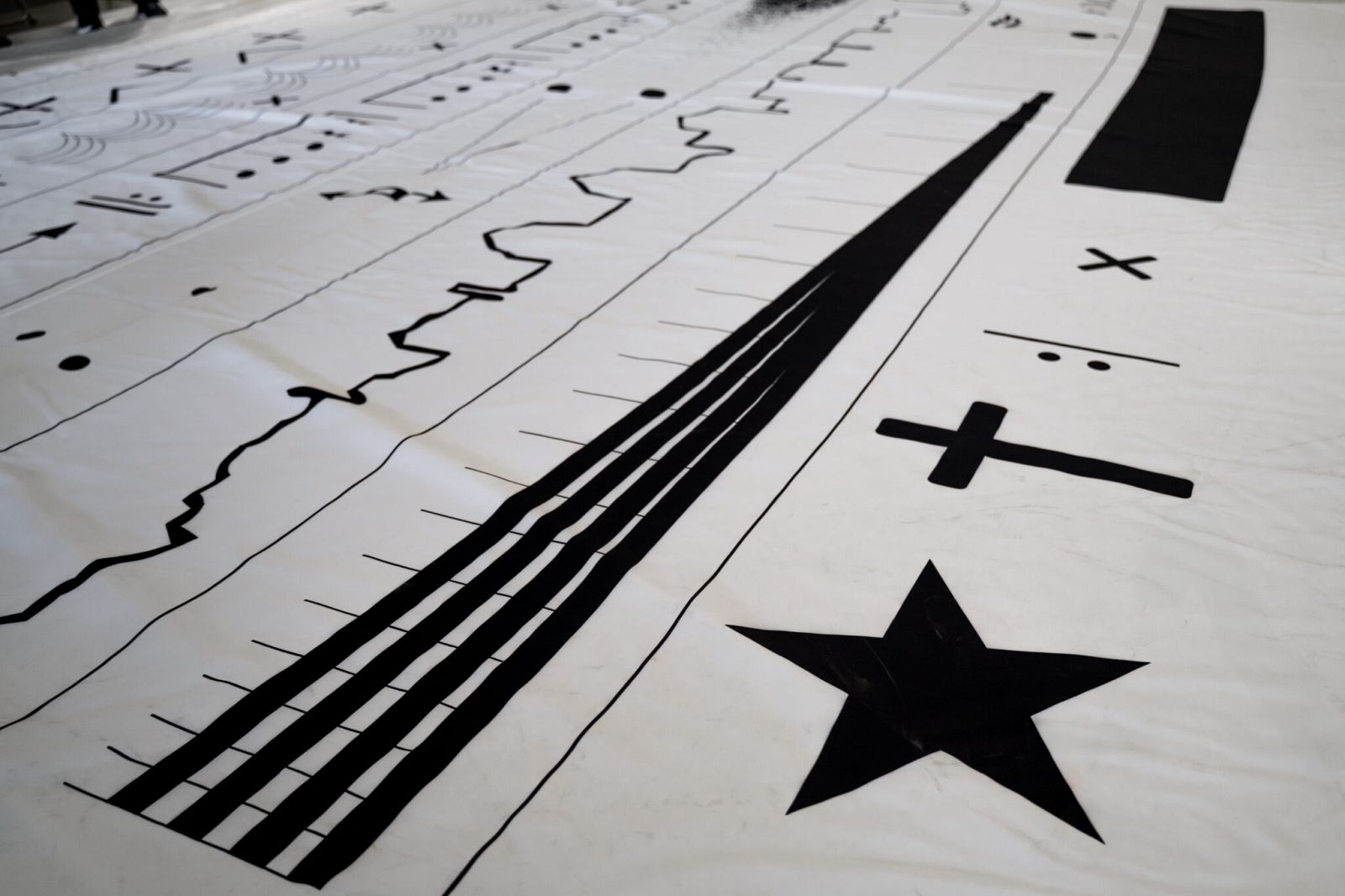
Barbara London collaborated with ICI as curator of Seeing Sound beginning in 2020. In this reimagining of sound art, each work on view took the form of an environmental sonic experience: Kinetic sculptures, installations, and more revealed how new media opens opportunities to engage with current issues in society.
Today, ICI seeks to keep expanding what new media can do and be, in our exhibitions, programs, and work with our collaborators.