1
2
3
4
5
6
7
The Exhibition as Score
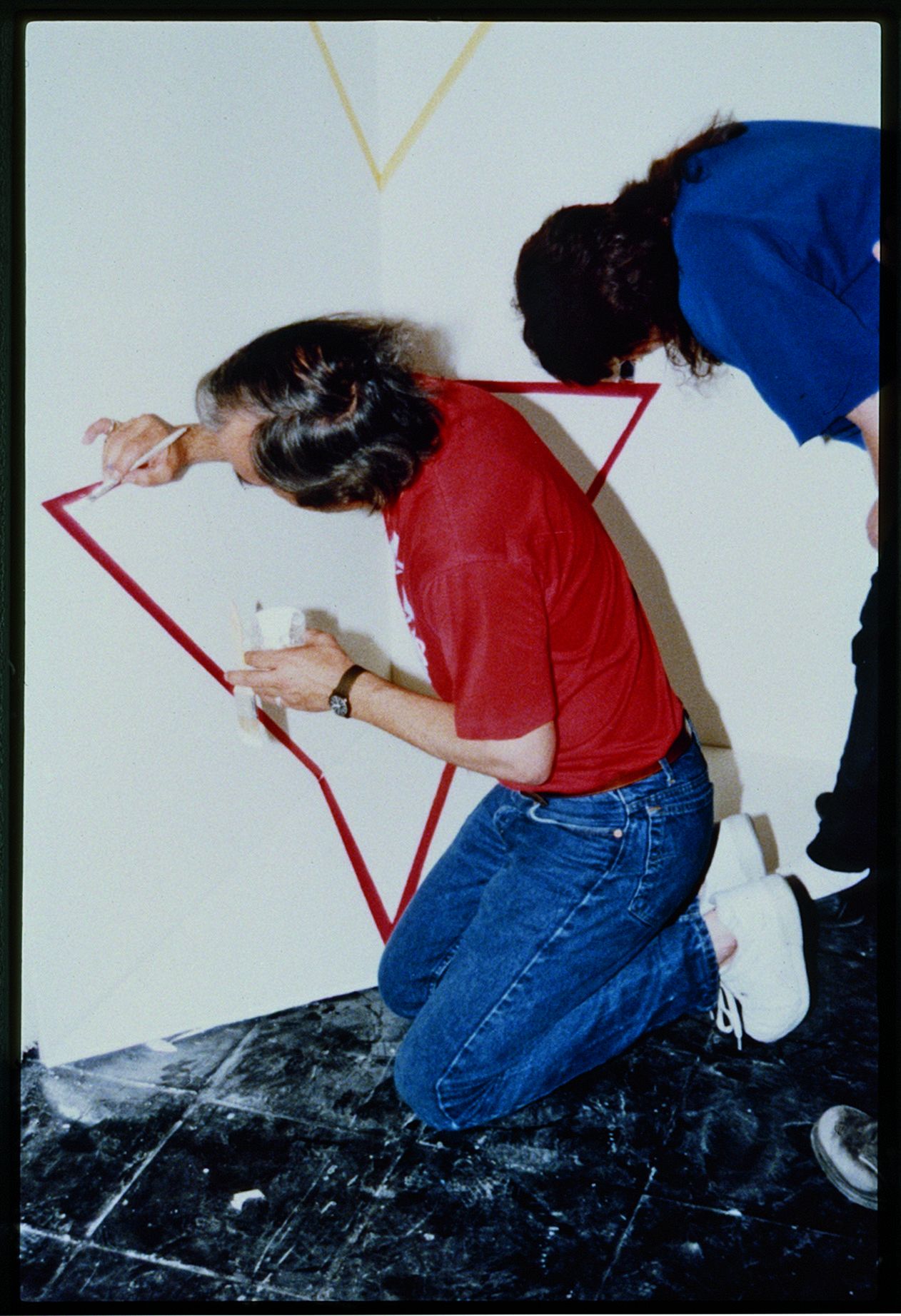
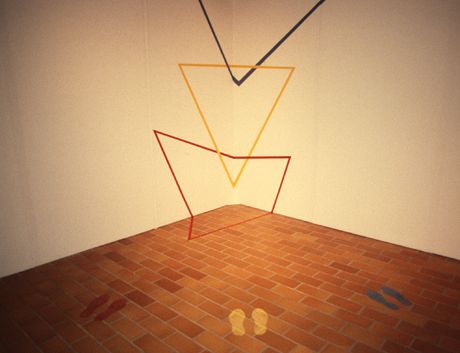
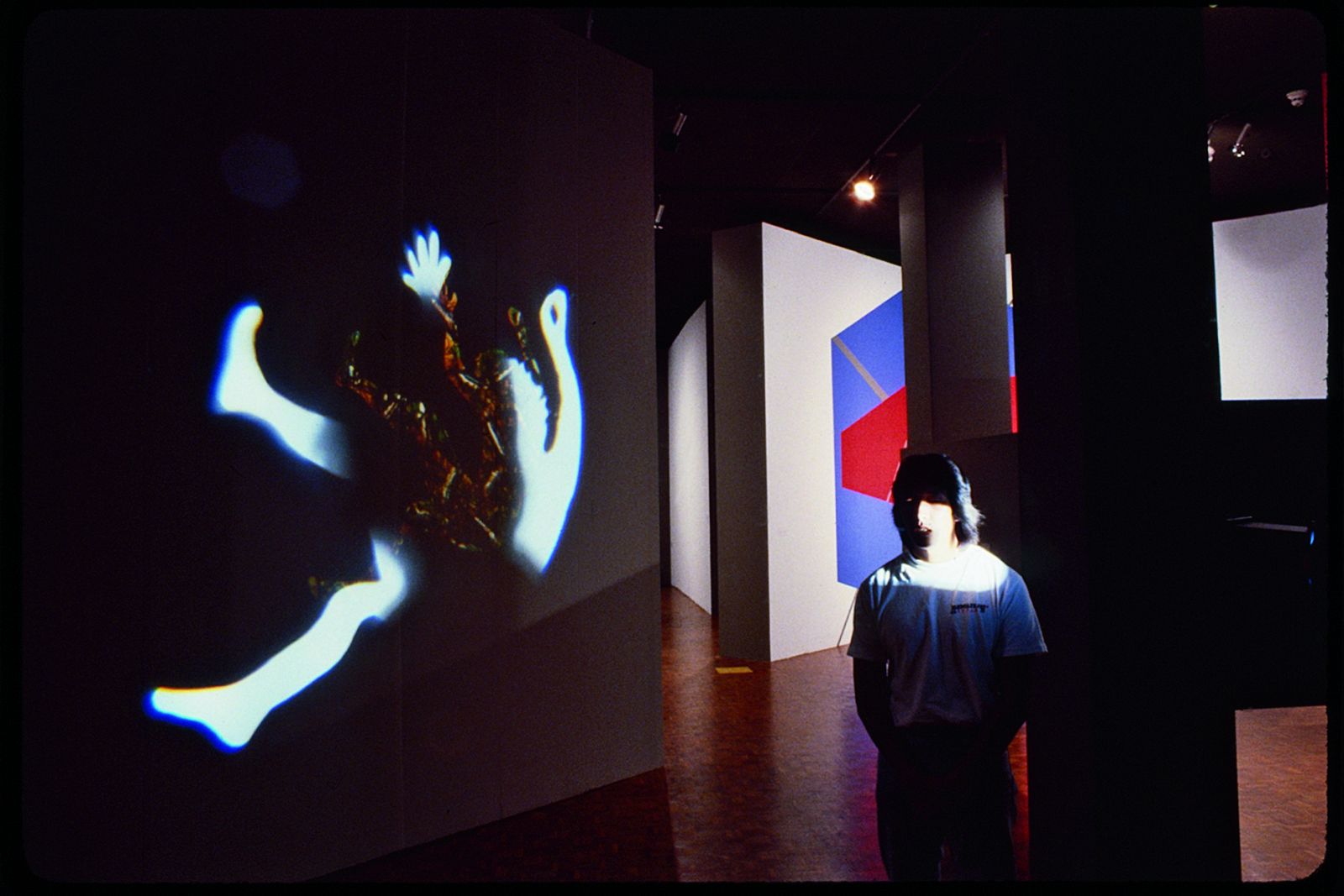
  • Installation view, The Presence of Absence, Museum of Art, Pennsylvania State University, 1990.

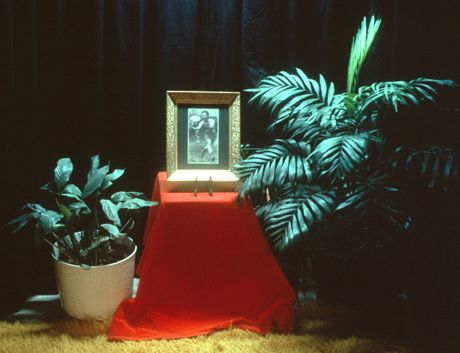
  • Buky Schwartz, Three Angles of Observation, 1987. Courtesy of the artist.

  • Leni Schwendinger, Concurrent Skiagrams, 1987. Installation view, The Presence of Absence, Museum of Art, Pennsylvania State University, 1990.

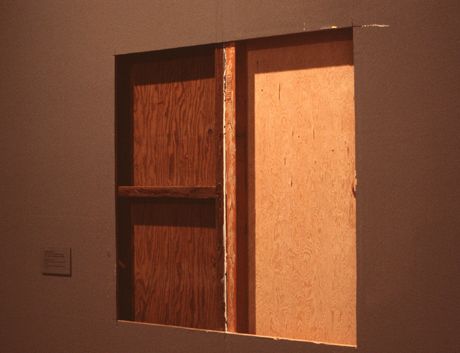
  • Lawrence Weiner, A 36 x 36" removal to the lathing or support wall of plaster or wallboard from a wall, 1968. Collection of Seth Siegelaub, New York, New York, and Bagnolet, France.

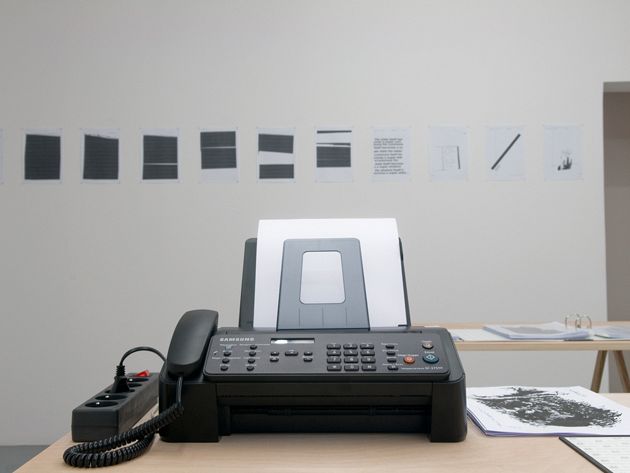
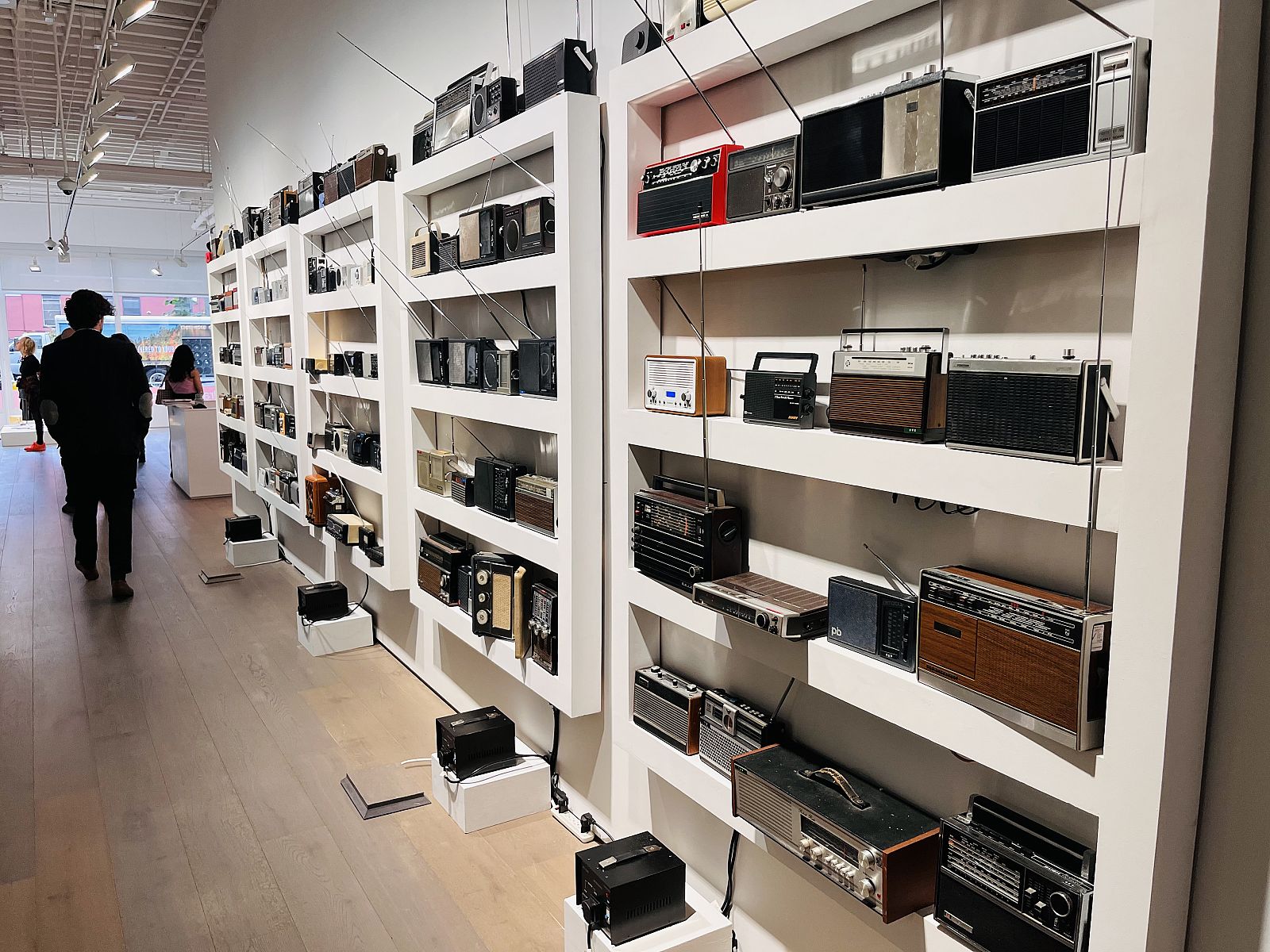
Throughout its history, ICI has engaged in exhibitions that celebrate the “score,” like The Presence of Absence curated by Nina Felshin. Since the 70s, many artists have used instructions as a conceptual method to create artworks that evolve, grow, adapt, and respond to the times in which they are presented and the people who engage with them.
→ The Exhibition as Score

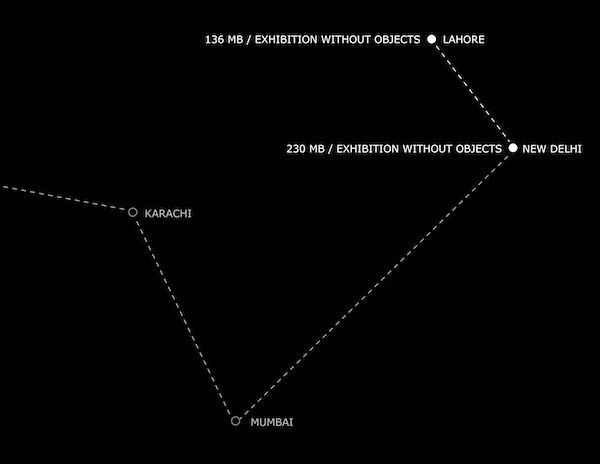
"The Presence of Absence provokes questions about conceptual art's relevance... by serving as a catalyst for new works that adapt and revise many of conceptual art's strategies. Participating museums receive the artists' written instructions, diagrams, slides, and transparencies, but never the works of art themselves. These are created anew at each site by local artists, art students, or museum staff and cease to exist at the end of the presentation."

Nina Felshin
→ The Exhibition as Score

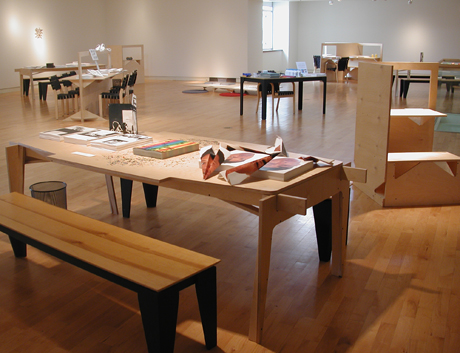
In the 2010s, we developed a model of touring exhibitions that, like artists' instructions, would adapt to the contexts of every hosting art space in new ways. In projects like our "exhibitions in a box" series, hosts were invited to adapt, expand, and reconfigure these exhibitions, which would also open a shared dialogue between curators in the field. 
→ The Exhibition as Score

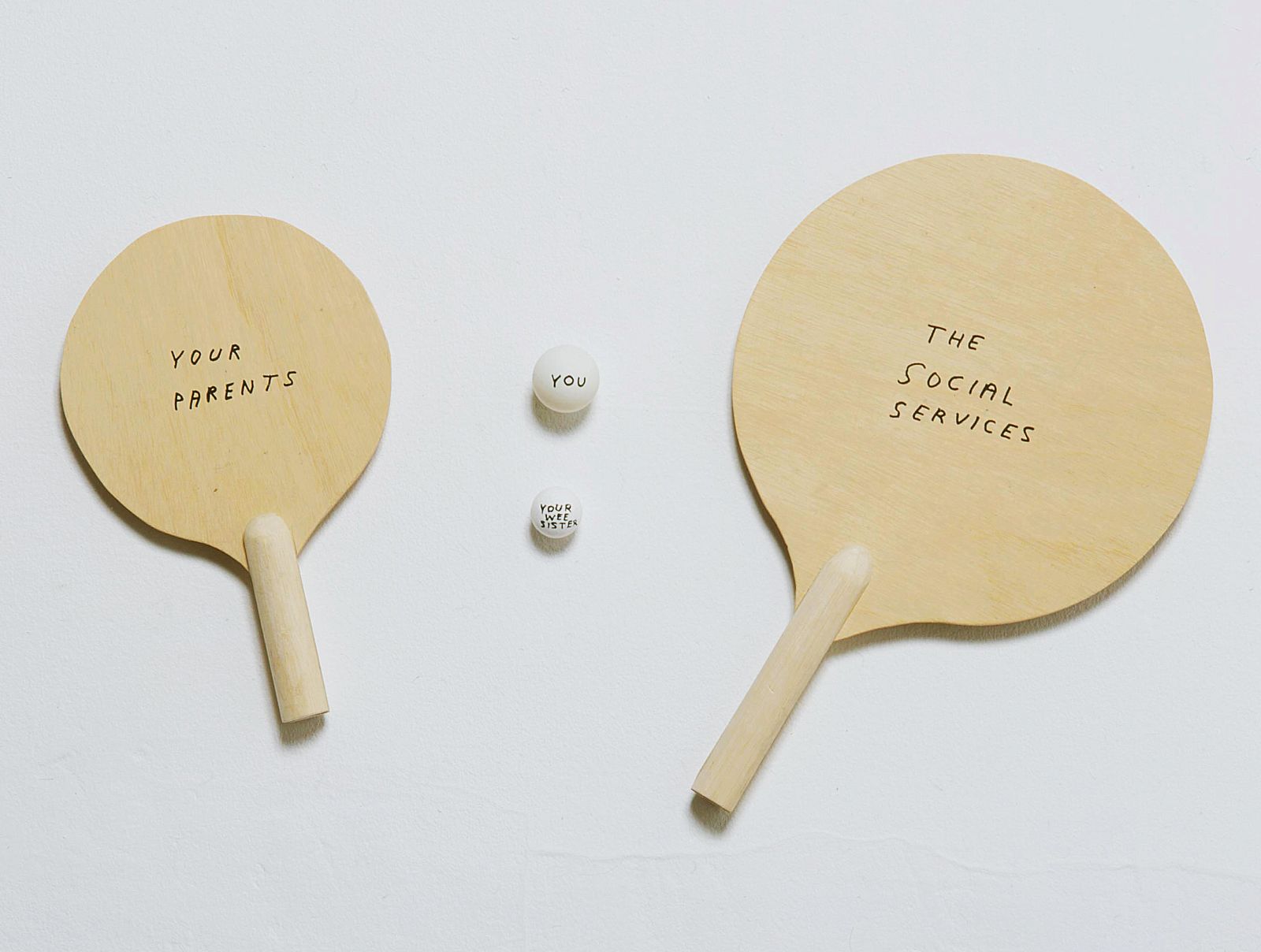
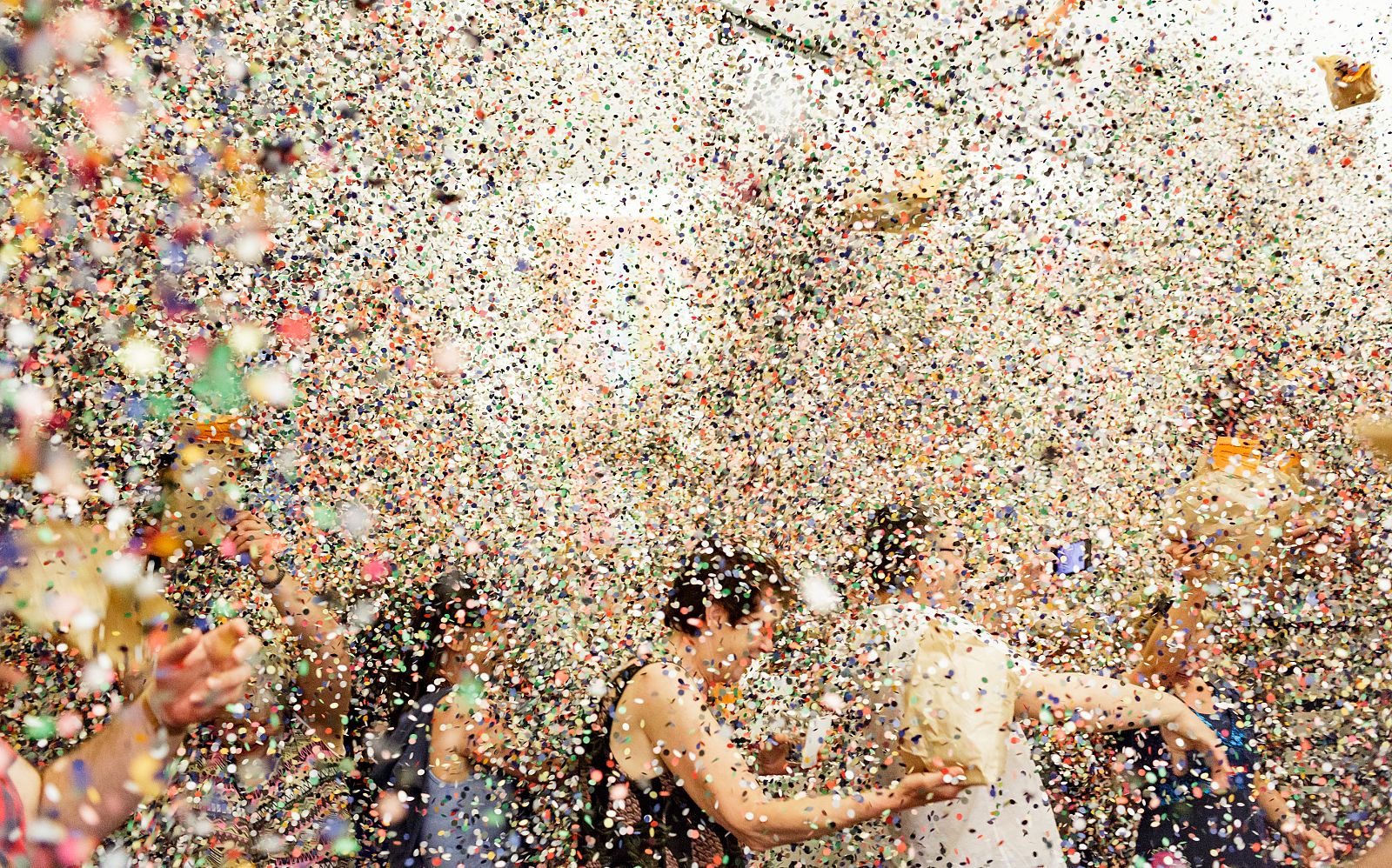
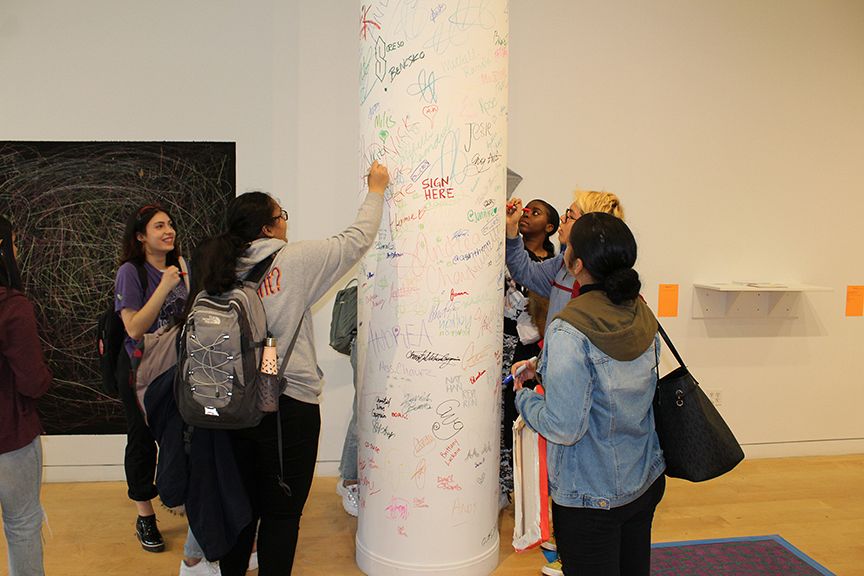
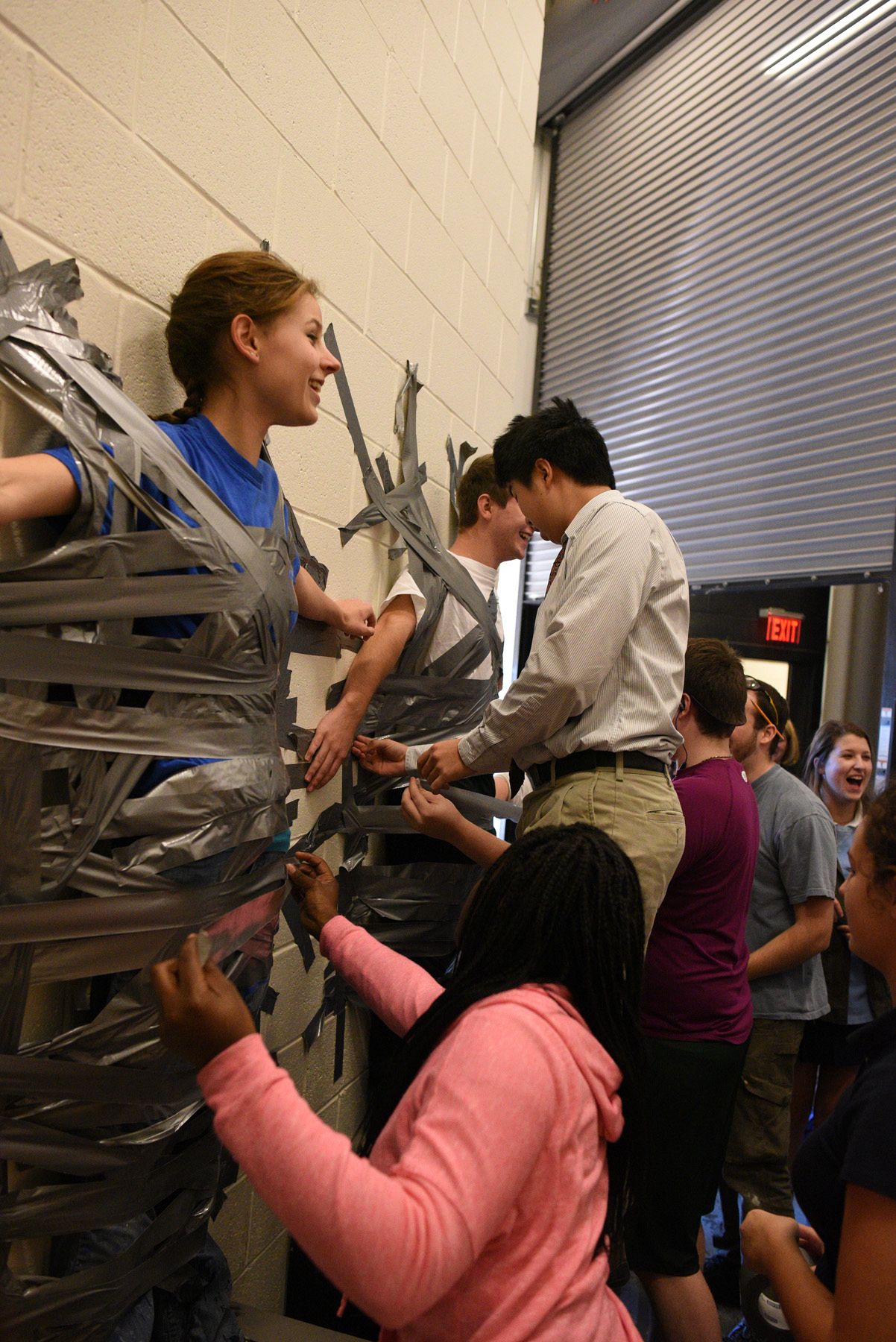
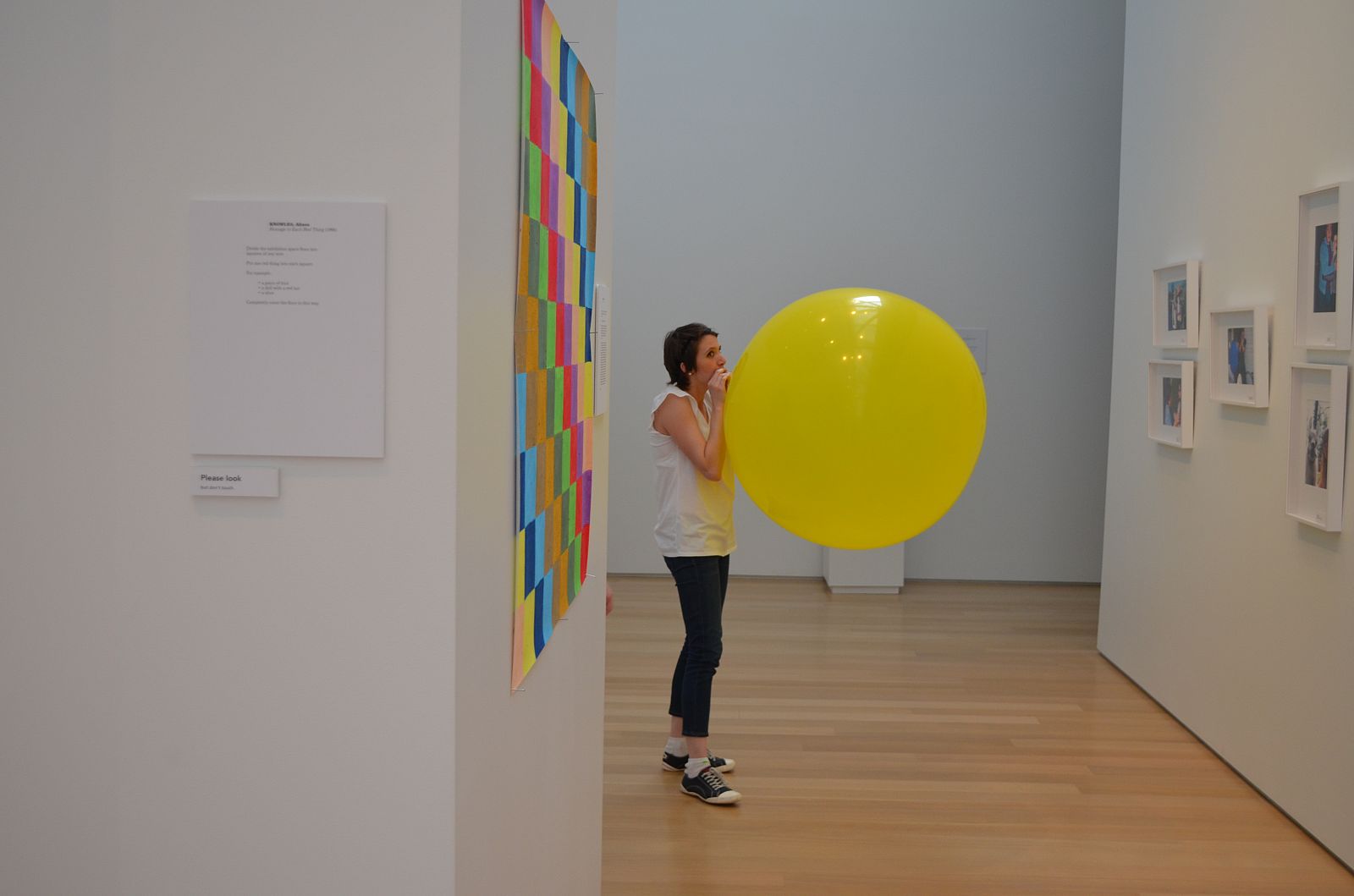
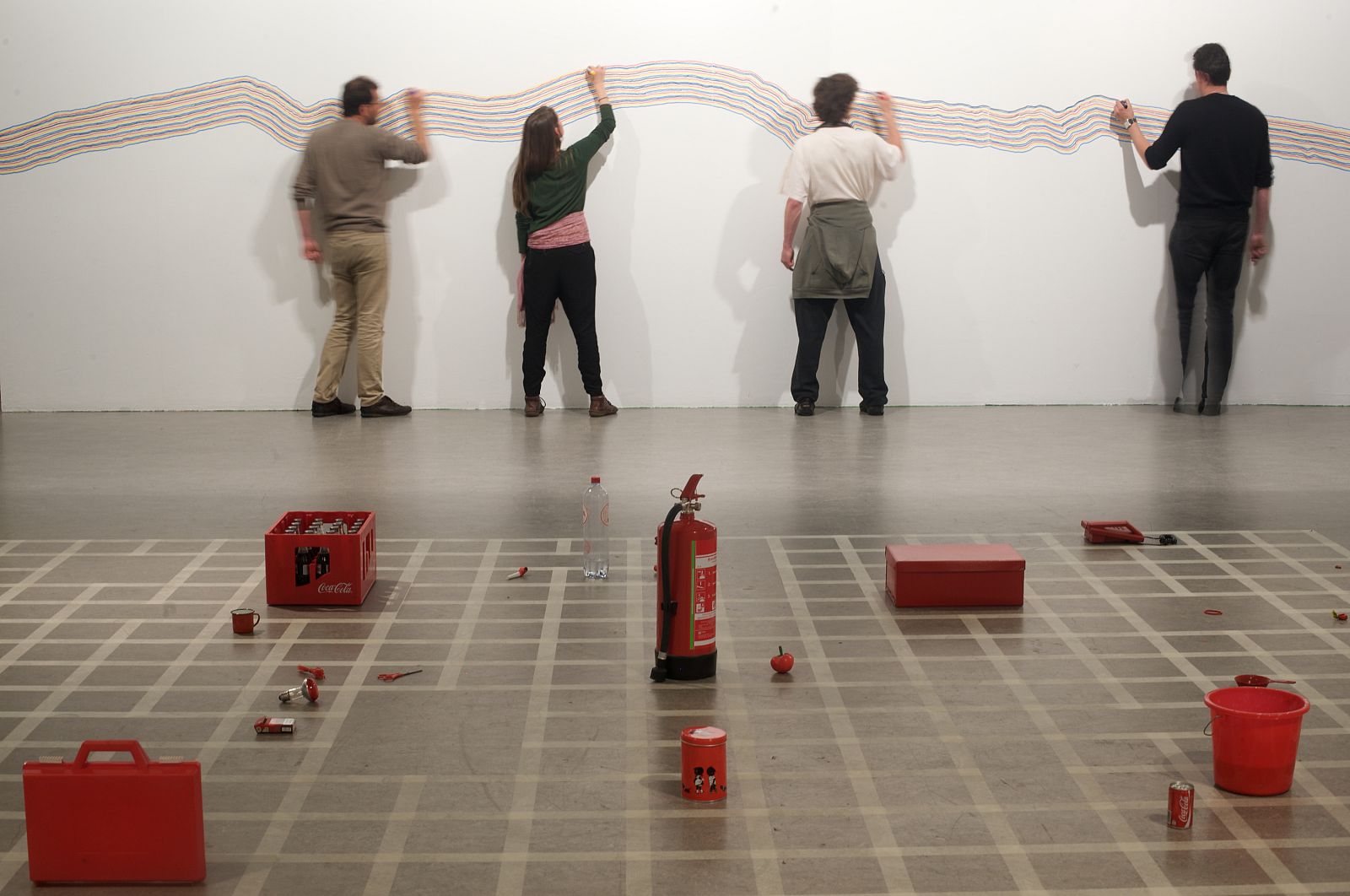
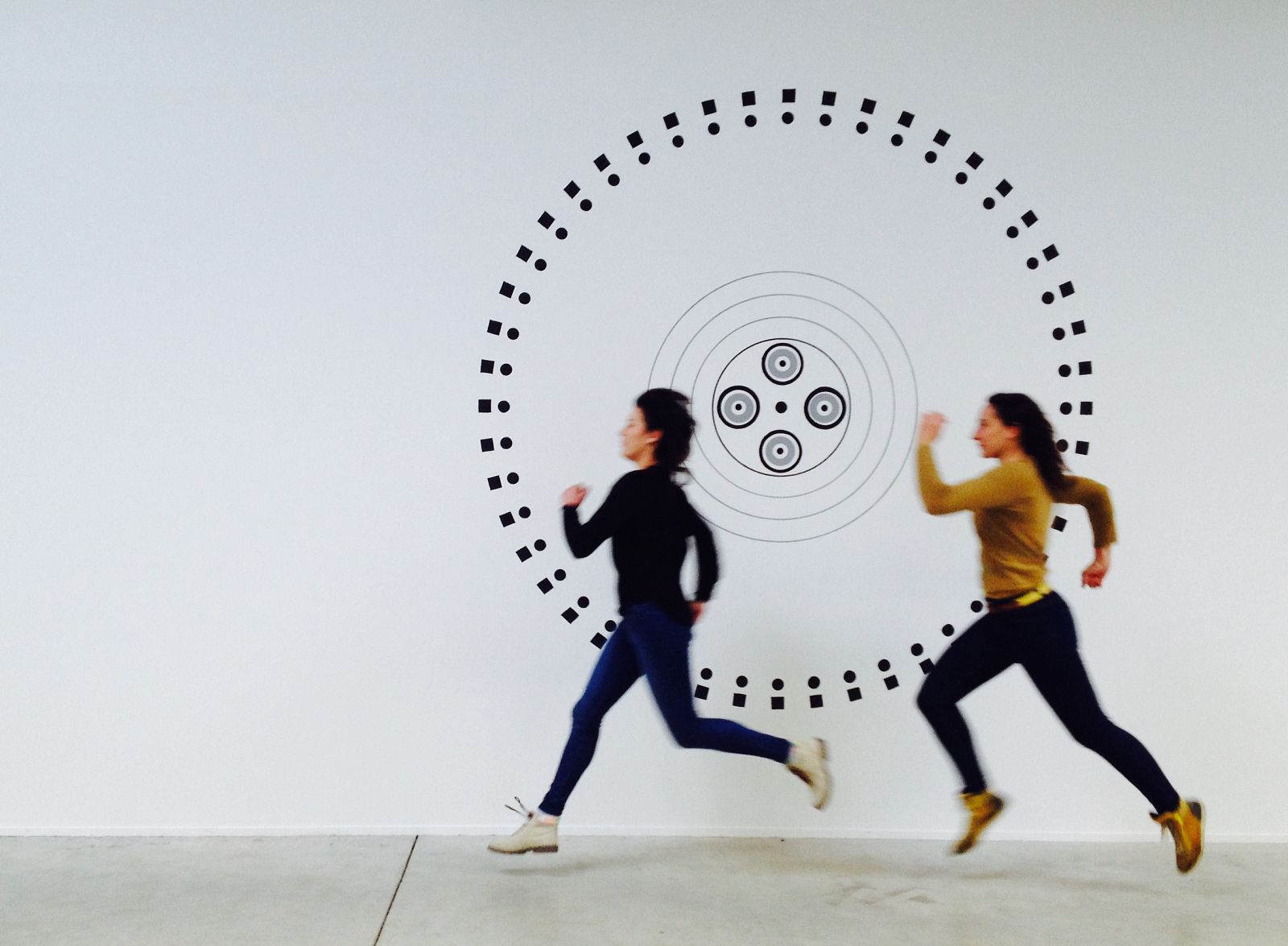
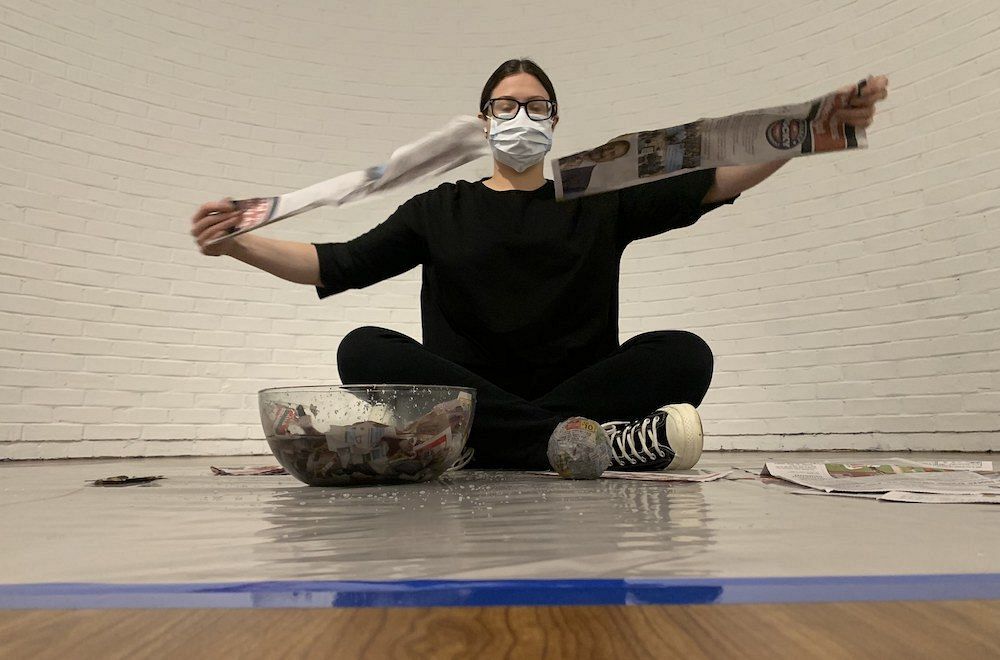
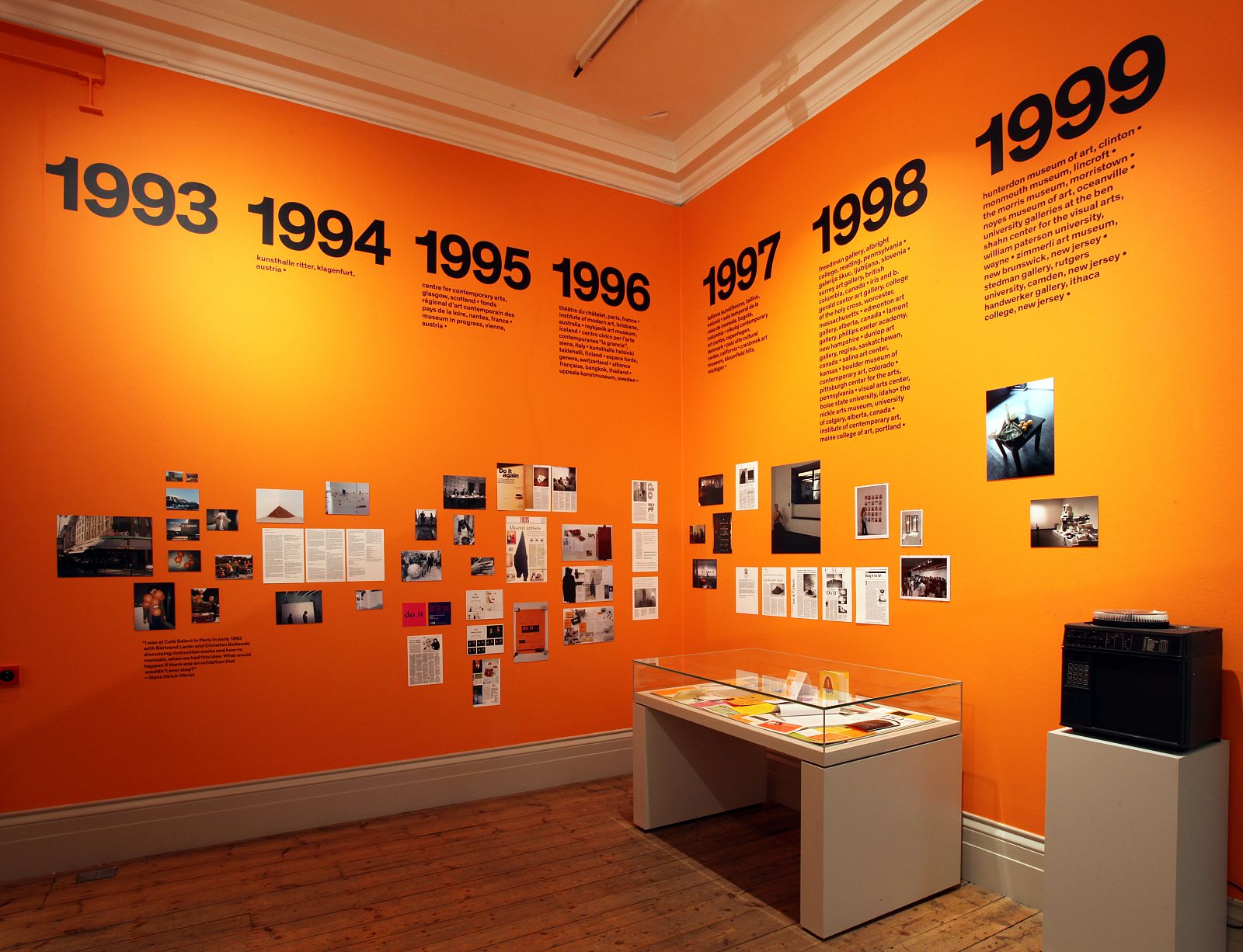
Curated by Hans Ulrich Obrist, the landmark exhibition do it began as a curatorial thought experiment: What if all of an exhibition's artworks took the form of "do-it-yourself descriptions" from artists, for viewers to follow? ICI launched the first do it tour in 1997, and relaunched the tour in 2013 with 50 newly commissioned pieces. During the COVID-19 pandemic, we published do it (home) with 55 artists' instructions available for free online.
→ The Exhibition as Score
  • Installation view, do it (archive), Manchester, UK, 2013. (Photo: Alan Seabright)

  • Amalia Pica, Throw A Party, 2012. Installation view, do it, Kunsthal Rotterdam, 2015. (Photo: Jan Adriaans and Job Janssen)

  • do it (in school), 2015.

  • do it instruction by Robert Ashley, Installation view, Episcopal Academy, 2014. (Photo: Michael Leslie)

  • do it installation view at Gund Gallery, Kenyon College, 2013.

  • Installation view, do it, MU artspace, 2013. (Photo: Boudewijn Bollman)

  • Anna Halprin, do it instruction, installation view, HAB Galerie, Nantes, France, 2016.

  • Michelangelo Pistoletto, Sculpture for Strolling (1995). Installation view at Florida State University Museum of Fine Arts, Tallahassee, 2020.

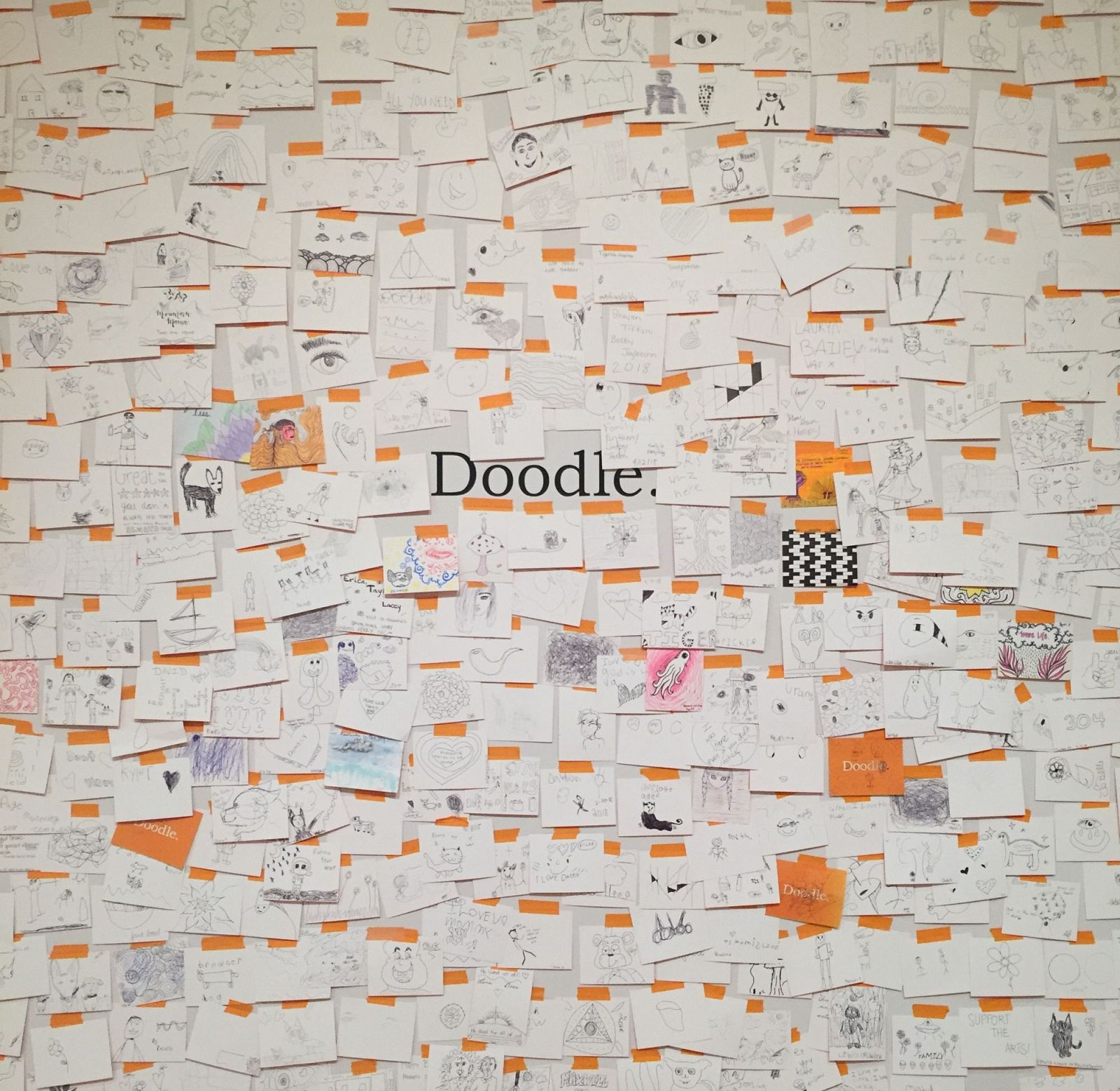
  • Uri Aran, Doodle, 2012, do it, installation view, Juliet Art Museum, Clay Center for Arts and Sciences, Charleston, West Virginia, 2018. 

do it became a global phenomenon that continues to emerge around the world in new forms. Each time a gallery presented the exhibition was completely different, and they produced community events and enactments uniquely informed by local needs and interests. Many variants have also been created, including do it (TV)do it (party), and do it (in school)

→ The Exhibition as Score

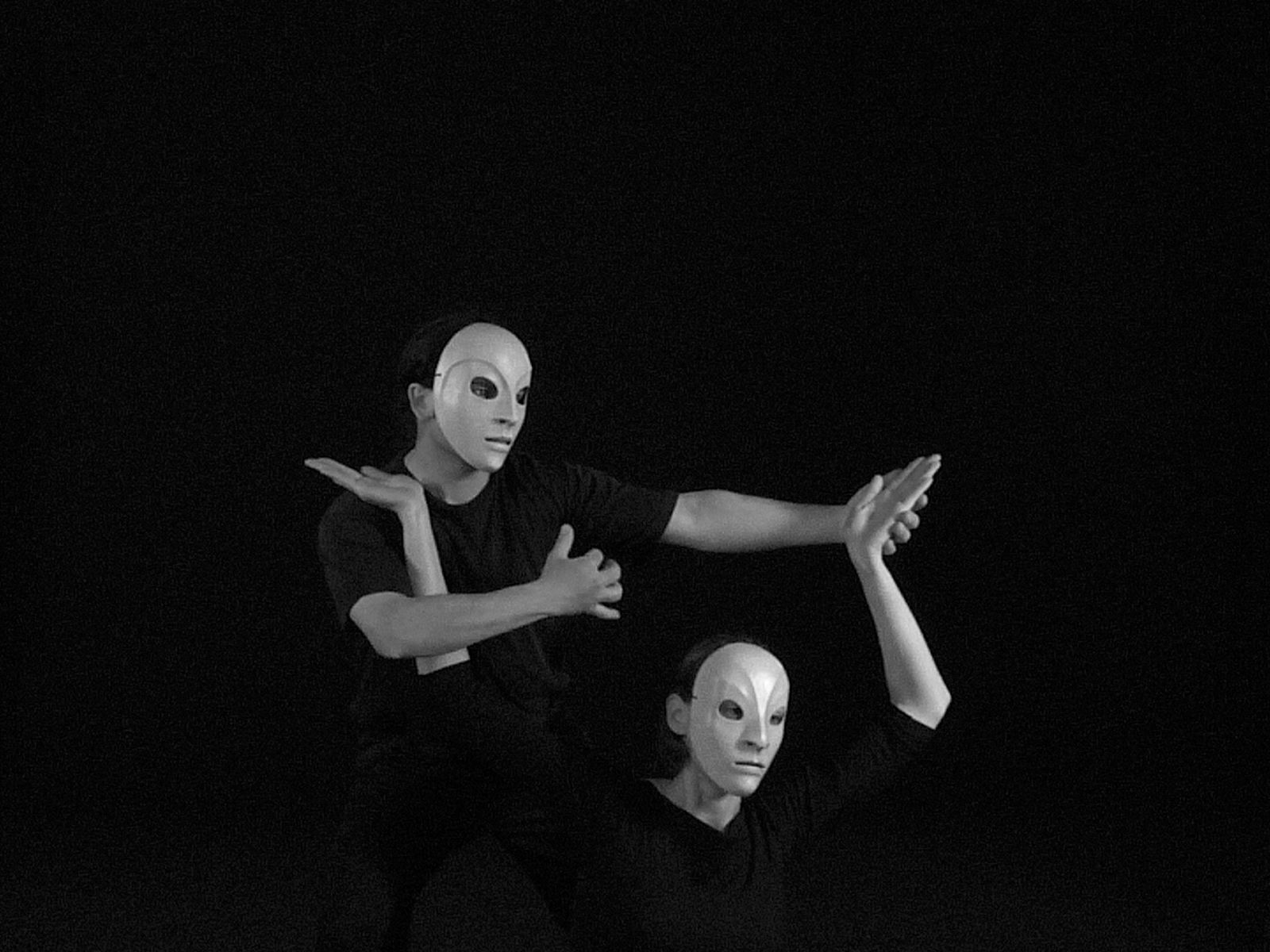
ICI exhibitions connect with audiences over many years and in many contexts. Many have embraced the idea of changing in each presentation, and often use a "score" model—where an exhibition is treated like a piece of music, to be enacted anew again and again.
→ The Exhibition as Score
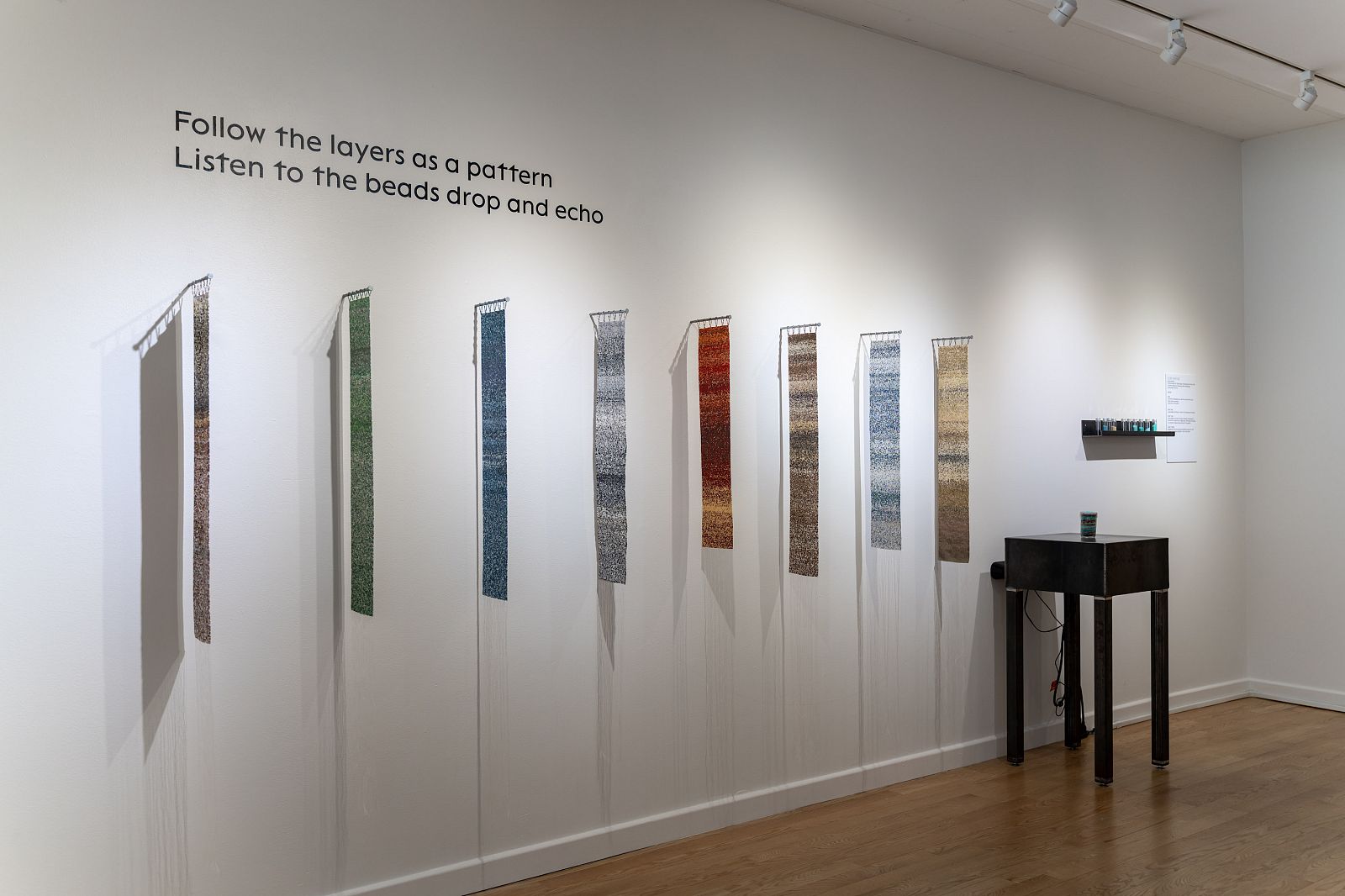
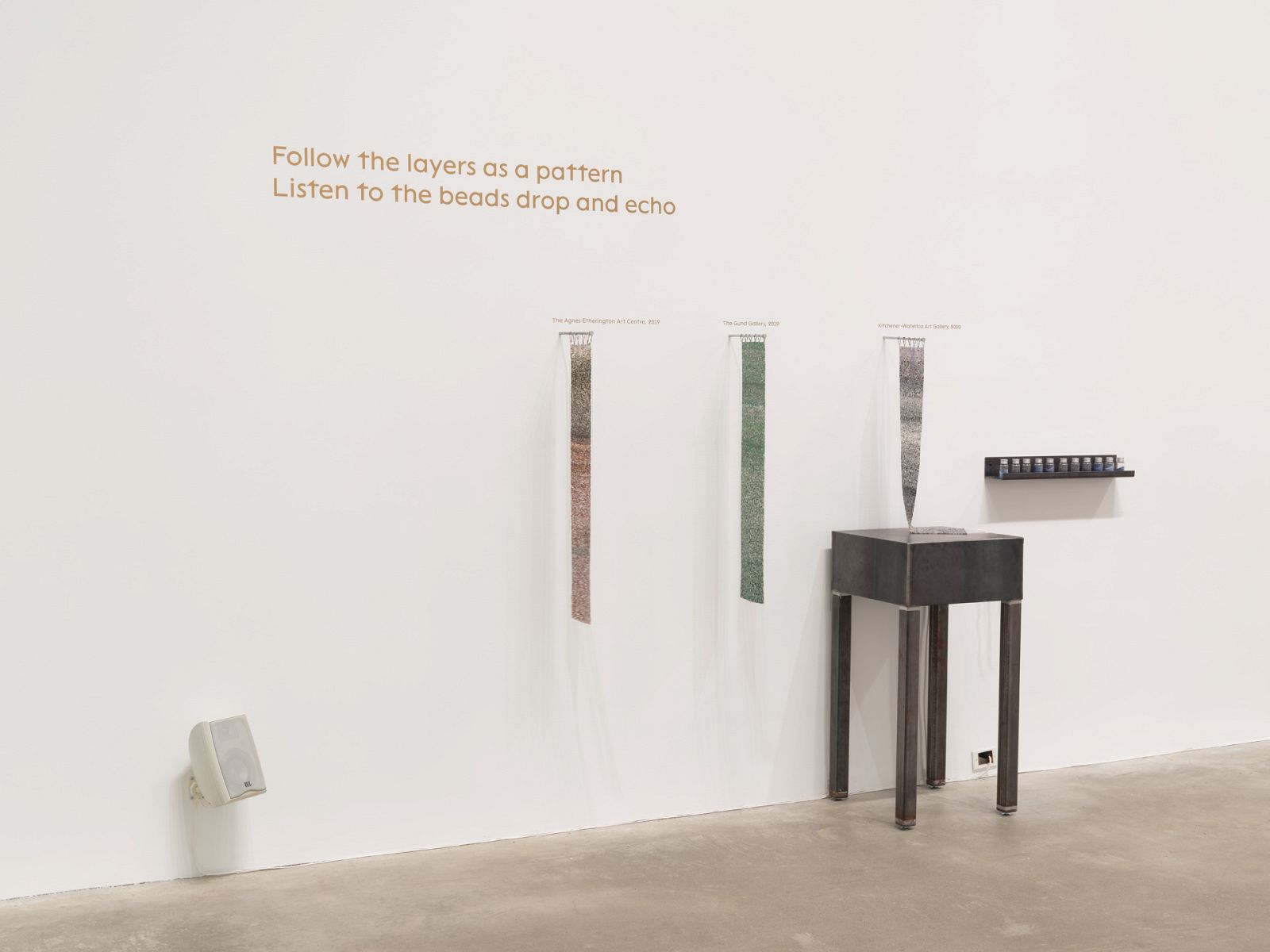
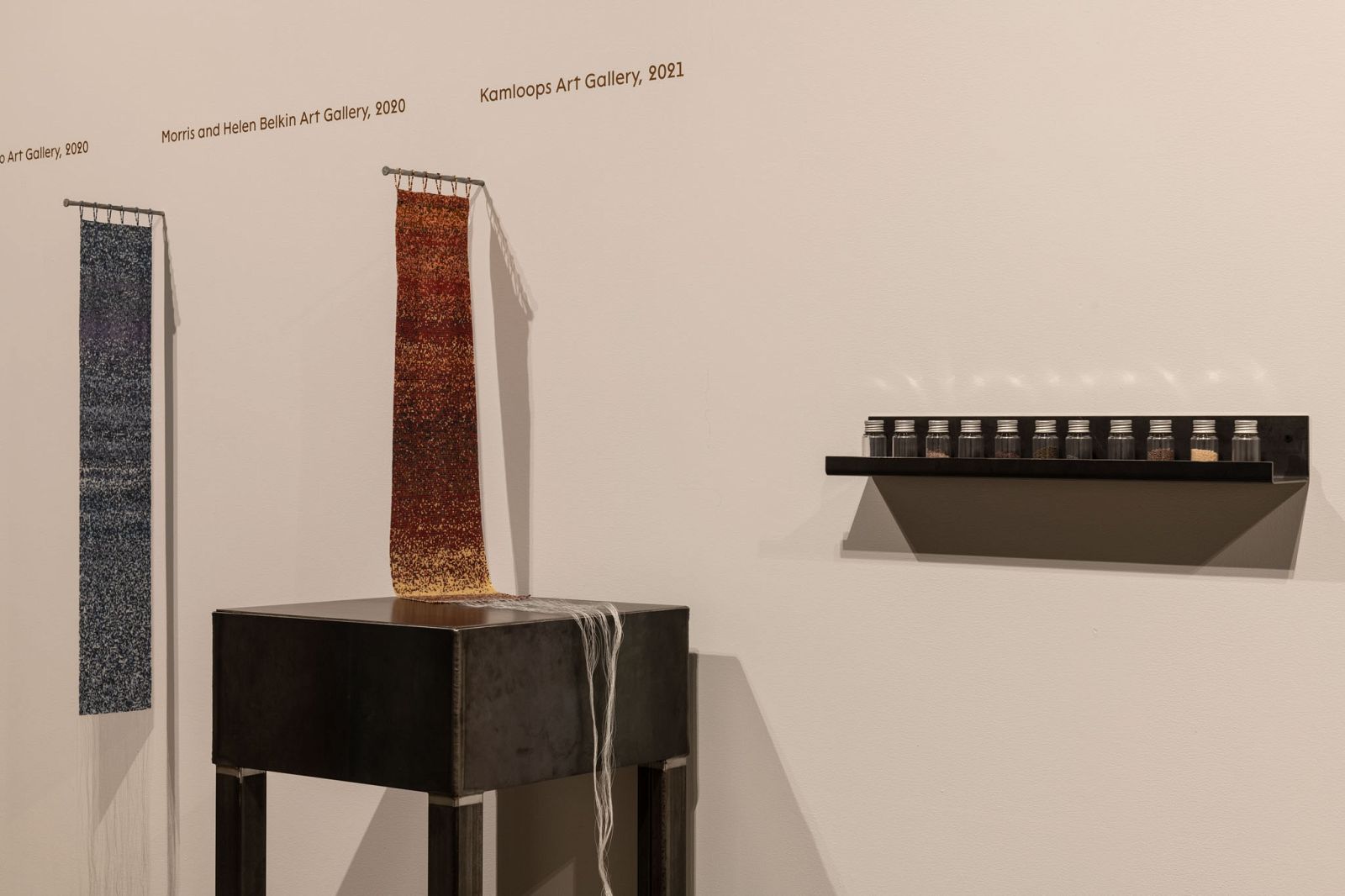
  • Olivia Whetung, Strata (2018). Installation view, Soundings, Morris and Helen Belkin Art Gallery, 2020.

  • Olivia Whetung, Strata (2018). Installation view, Soundings, Walter Phillips Gallery, Banff Centre for Creativity, 2021. (Photo: Rita Taylor)

  • Olivia Whetung, Strata (2018). Installation view, Soundings, 516 ARTS, Albuquerque, NM, 2025. (Photo: Daniel Ulibarri)

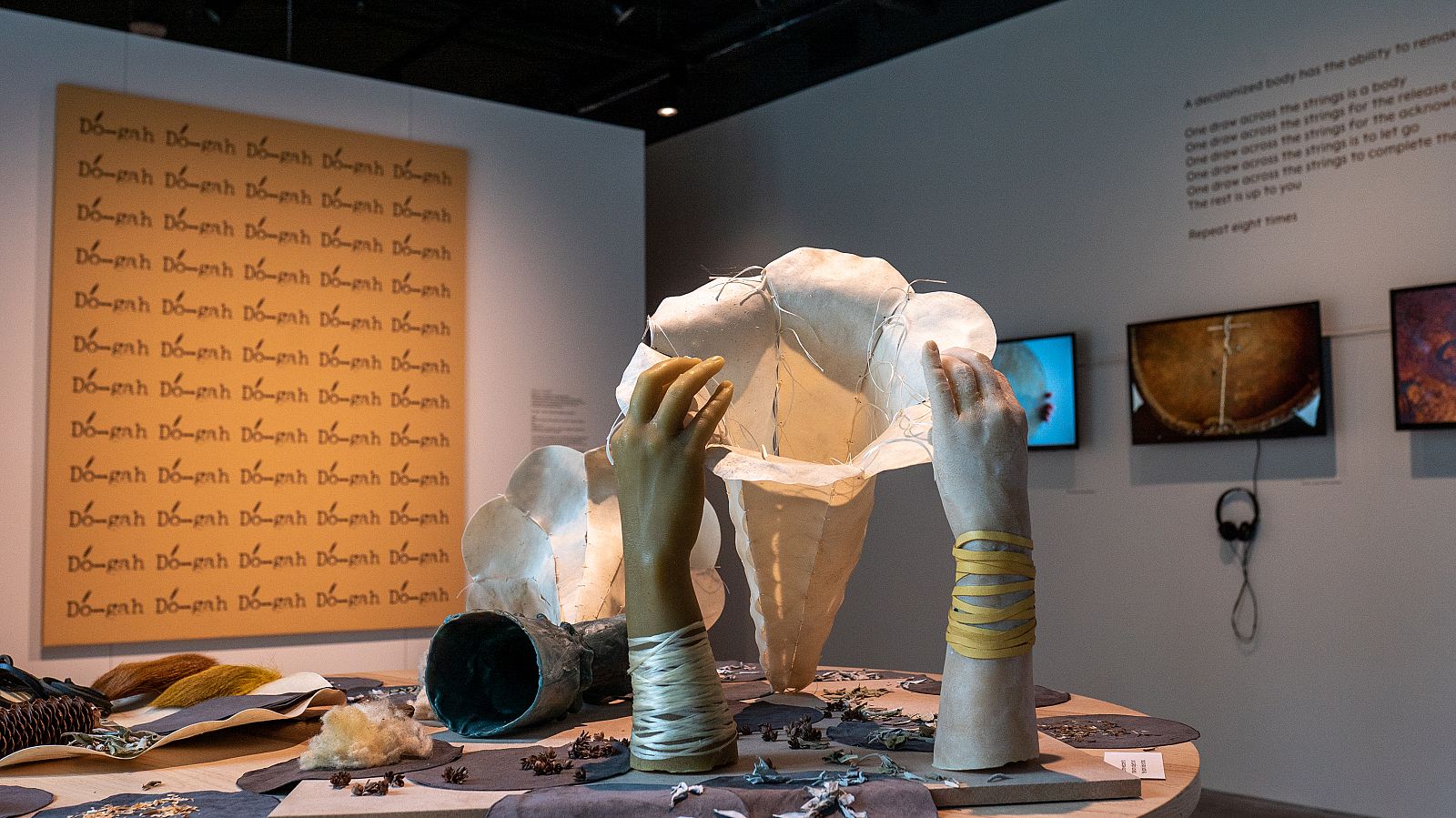
  • Installation view, Soundings: An Exhibition in Five Parts, KCAI Gallery, Kansas City, 2022. (Photo: Oz Overshiner)

  • Installation view, Soundings: An Exhibition in Five Parts, Kamloops Art Gallery, Kamloops, 2021. (Photo: Garnet Dirksen)

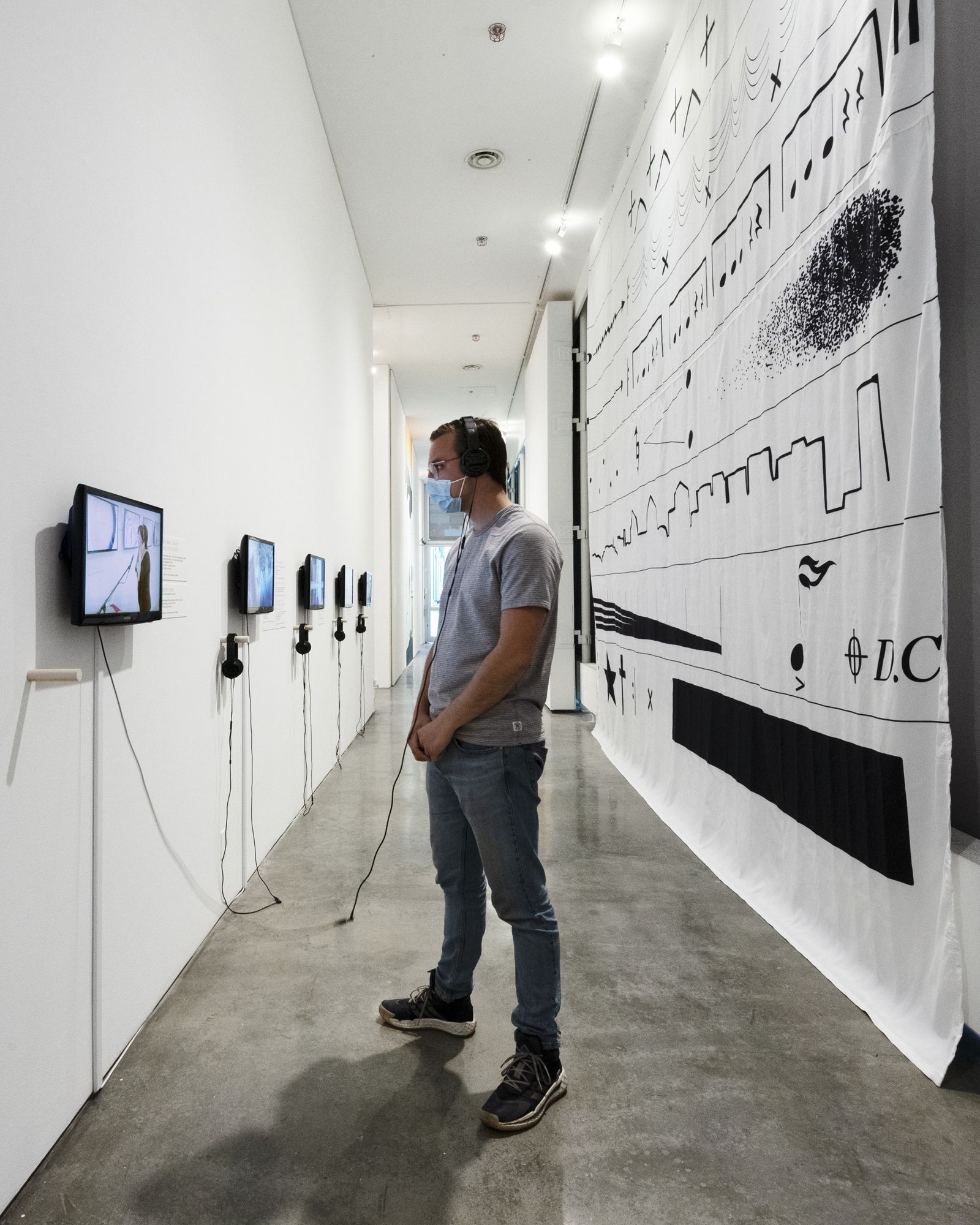
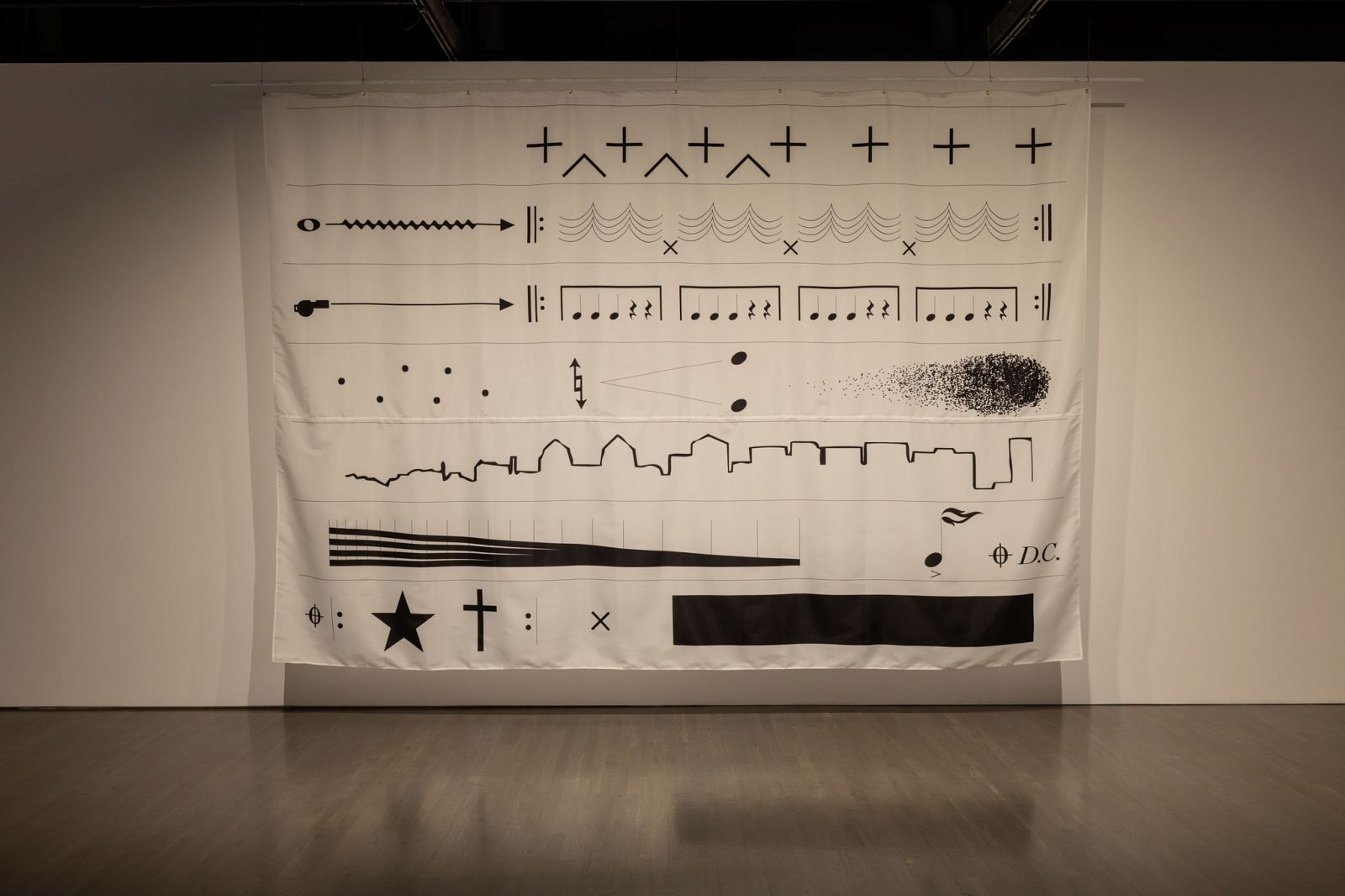
  • Raven Chacon, American Ledger (No. 1), 2018. Soundings: An Exhibition in Five Parts, installation view at
    Walter Phillips Gallery, Banff Centre for Creativity, 2021. (Photo: Rita Taylor)

Soundings: An Exhibition In Five Parts represents a new height in the exhibition as score, with artworks that are activated in new ways. Co-curators Candice Hopkins and Dylan Robinson ask: How can a score be a call and tool for decolonization?