Independent Curators International supports the work of curators to help create stronger art communities through experimentation, collaboration, and international engagement.

Independent Curators International supports the work of curators to help create stronger art communities through experimentation, collaboration, and international engagement.

Menu Close

401 Broadway #1620
New York, NY 10013
info@curatorsintl.org
+1 212 254 8200

Menu

In this essay, participant Arnau Horta (Curatorial Intensive Alum, New York Fall 2013) reflects on his experience as a 2025 Curatorial Research Traveler attending the ninth edition of Coast Contemporary—a nomadic platform for discourse and art that takes place in Norway each year. The program brings together international curators, artists, and cultural workers for a multi-day program of performances, talks, and screenings, and partners with ICI to invite alumni of our curatorial programs to participate in the annual convening. Coast Contemporary's 9th edition, Mutant Prospects, took place over seven days in September 2025 around the Stavanger area and focused on themes of "possible change from outer interference, extractivism, nature, art, solidarity economics, and dialogue." 

Each edition of Coast is conceived and organized by founder Tanja Sæter with invited curators and artists, and each is convened in collaboration with a different group of artists, curators, and local institutions. Mutant Prospects was curated by Maiken Stene, Hans Edward Hammonds, and Tanja Sæter with Kenneth Varpe in charge of presentations, and was created in collaboration with Velferden, Open Studios Stavanger, Hå Gamle Prestegård (Hå Old Parsonage), Stavanger Art Museum, CAS Contemporary Art Stavanger, and Stavanger Kunsthall. Advisory Board members are Kenneth Varpe and Timotheus Vermeulen. Coast Contemporary was supported by Arts and Culture Norway, The Norwegian Ministry of Foreign Affairs, Rogaland county, OCA Office for Contemporary Art Norway, and Stavanger municipality.
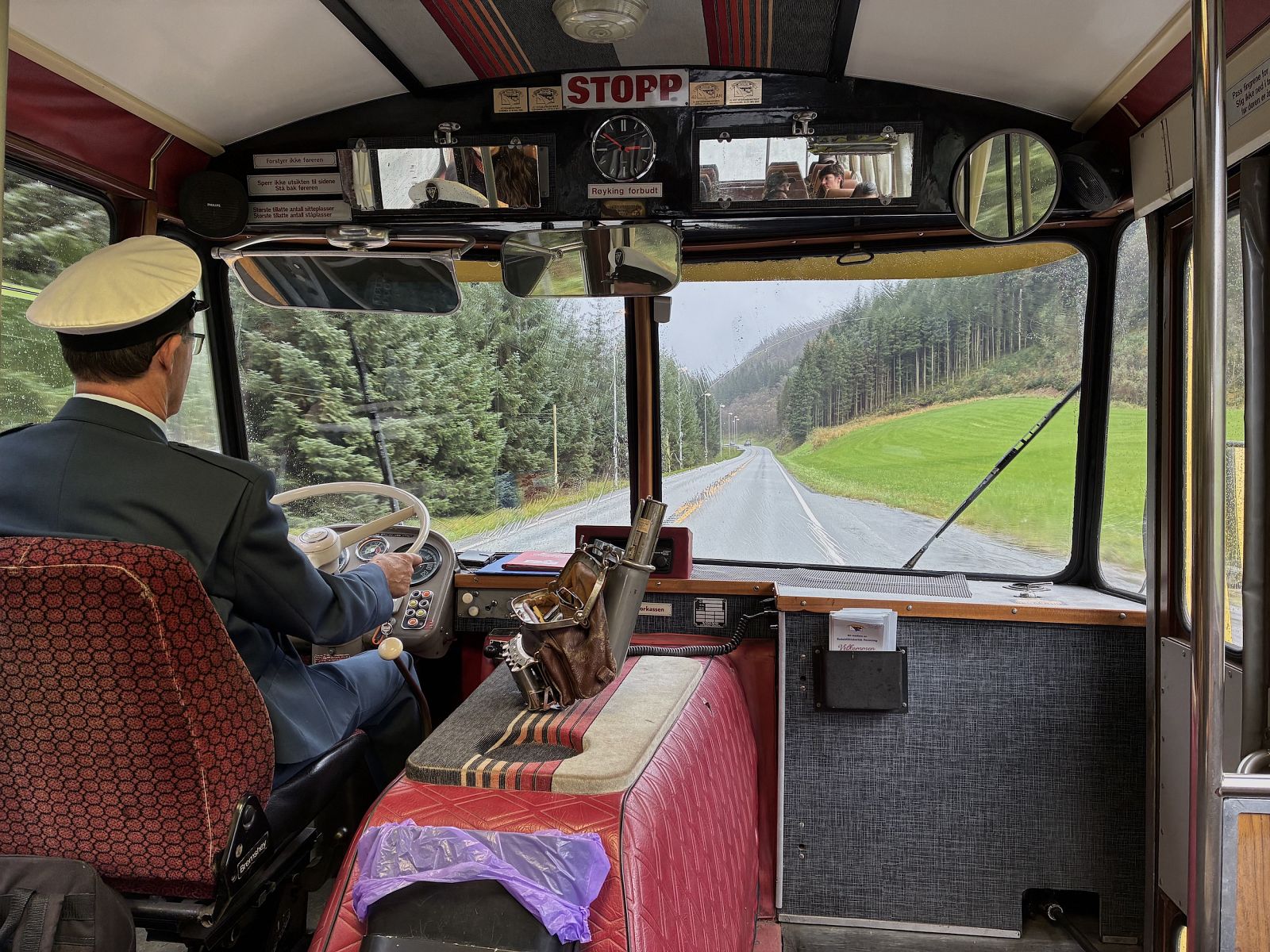
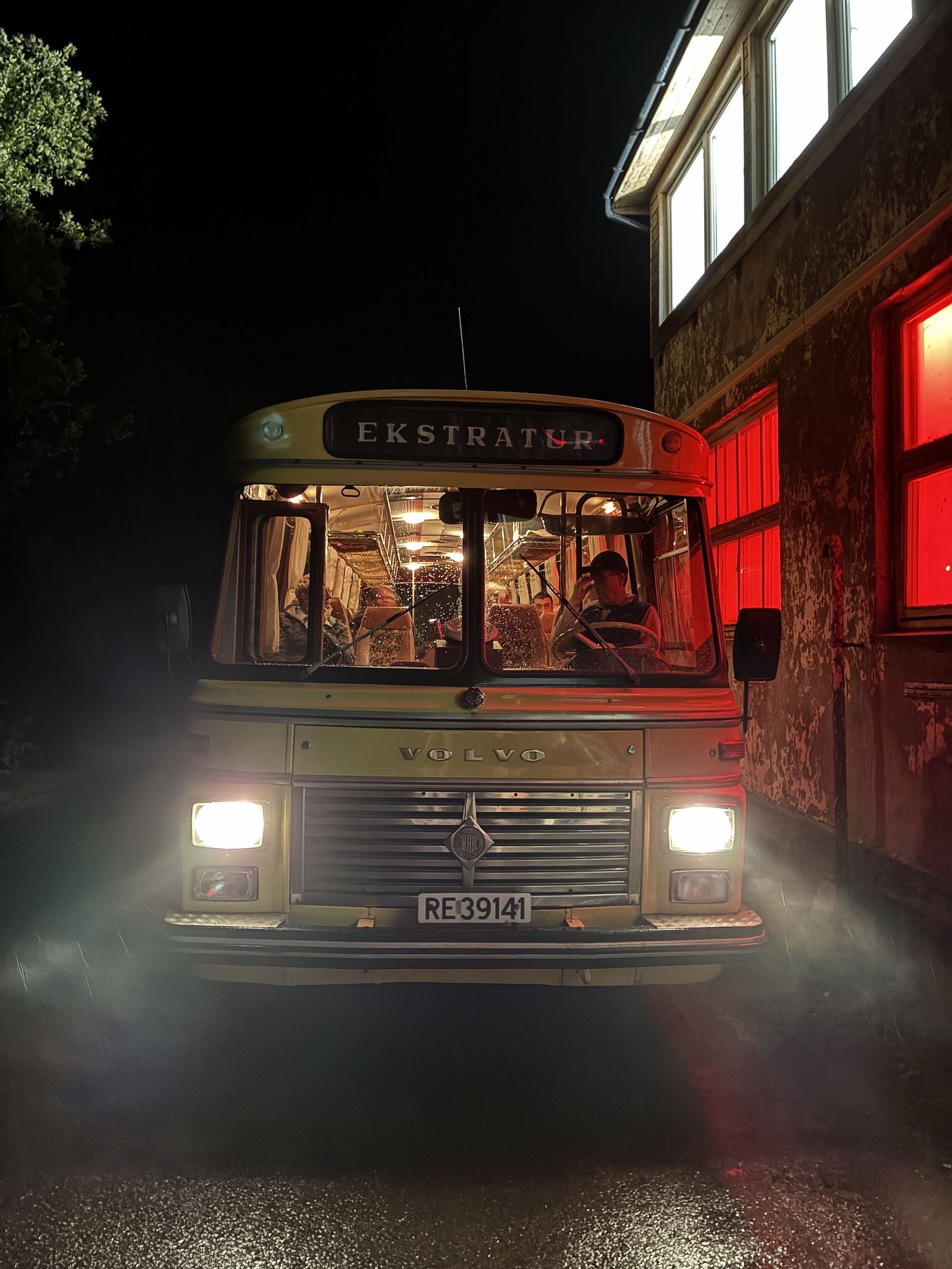
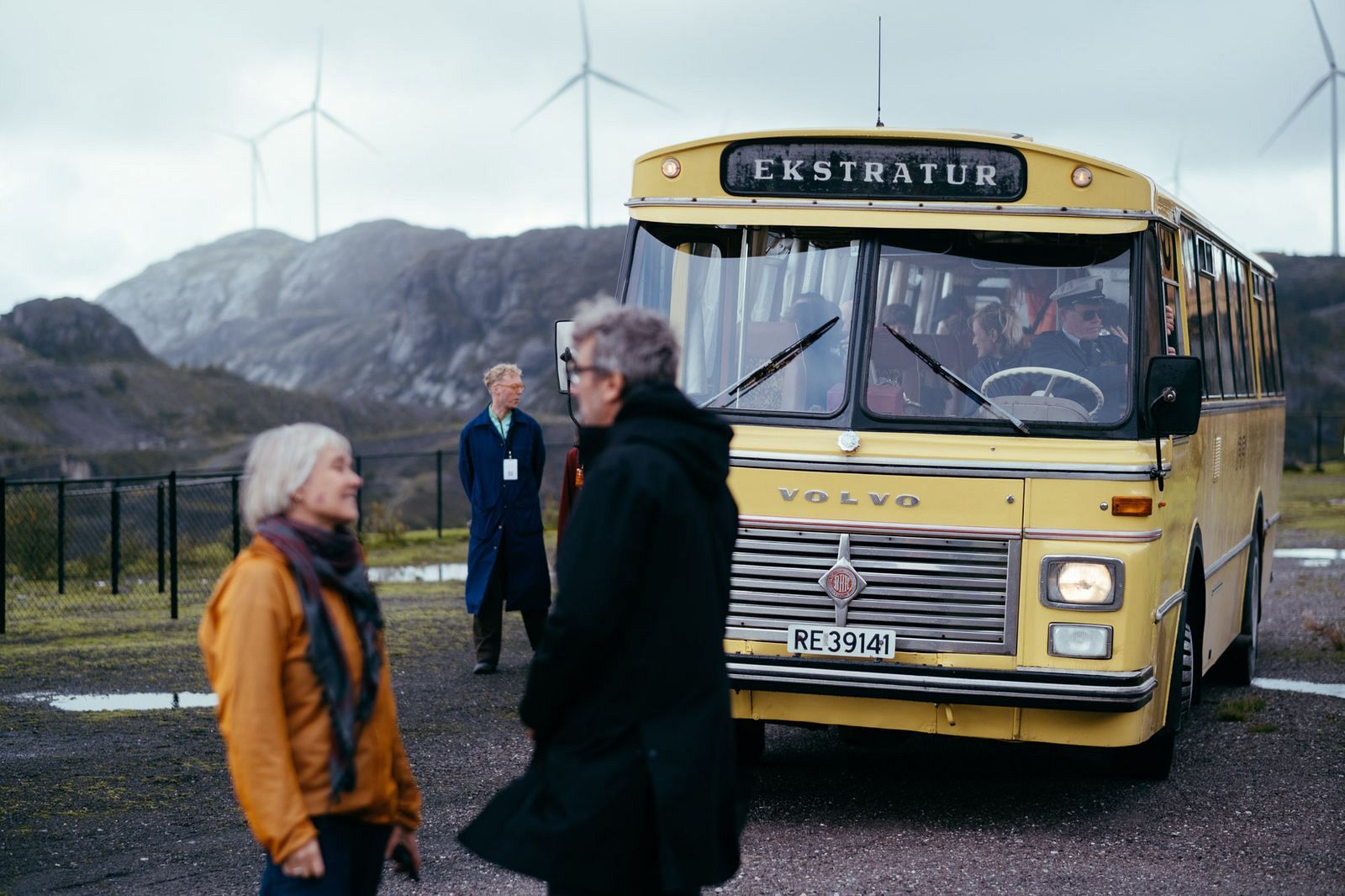
Jørn Malde, veteran bus driver of Rogaland Veteran Bus Association, at the wheel of his 1973 Volvo bus. (Photo: Arnau Horta)

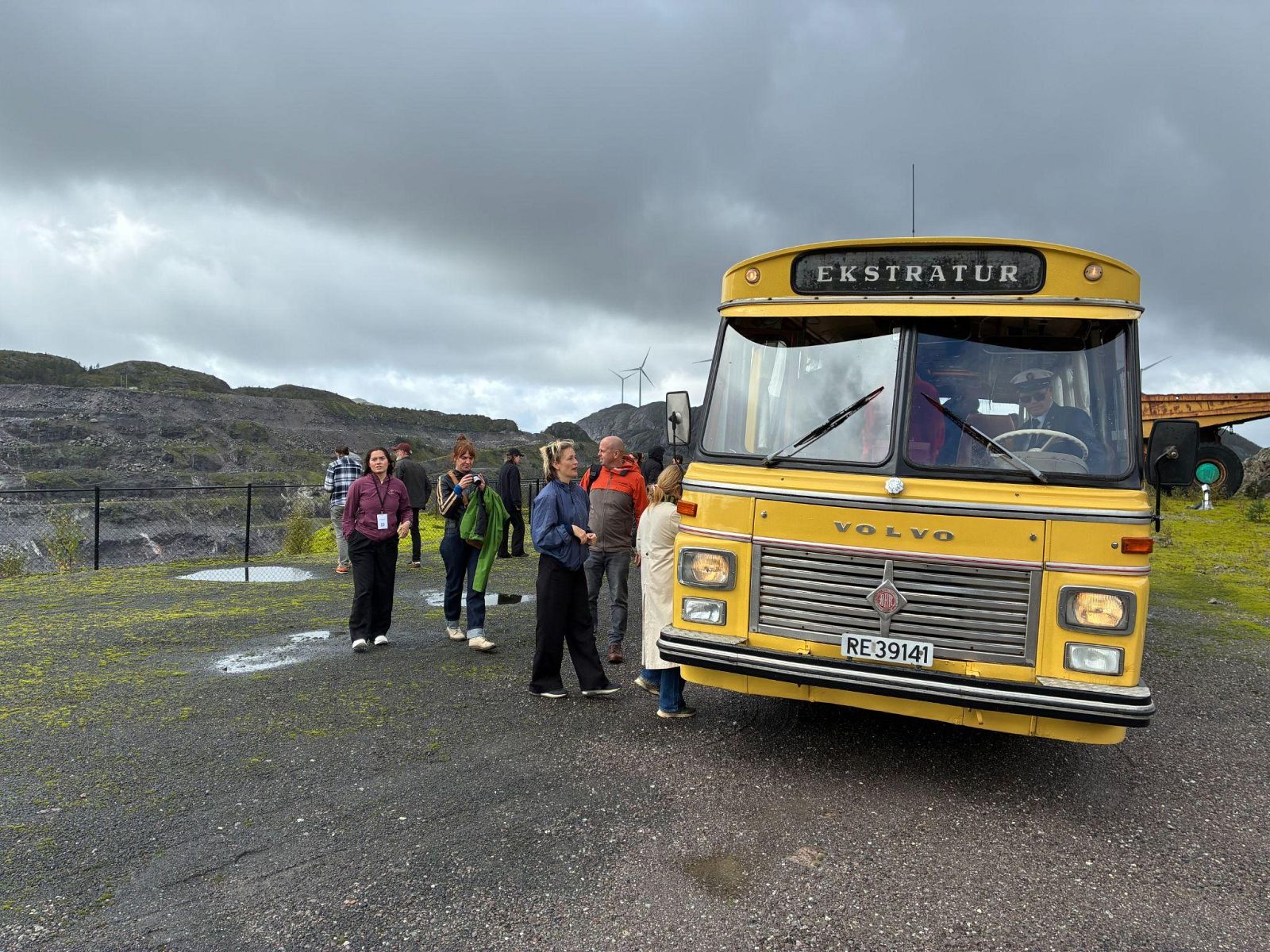
Although it looks like it’s from another era, this photograph was taken on September 15, 2025, somewhere between Stavanger and Sogndalstrand—the town where participants in the 2025 Coast Contemporary Research Journey and Assembly would stay for the first three days of our trip through the Sokndal region and Rogaland County in southwestern Norway. Before leaving the airport, Jørn, our driver, explained that the bus we would be riding in was a 1973 Volvo restored and operated by Rogaland Veteran Bus Association, a group of retired drivers who voluntarily dedicate themselves to extending the life of these vehicles. One of the distinctive features of this veteran yellow bus is that the engine is located at the front of the vehicle (just below the padded red box to the right of the steering wheel). Before setting off, Jørn warned us that the engine was quite noisy, that it occasionally smelled of smoke and gasoline, and that this was, after all, part of the charm of the bus.

Far from incidental, Jørn’s words served as an introduction to a journey that, in addition to offering firsthand experience of the region’s art scene and the work of various Norwegian artists, would also prompt us to question aspects of the material basis of our practices and the energy dependencies of art and its ecosystems. The ninth edition of the Coast Contemporary Research Journey and Assembly (conceived and led—as with previous editions—by Tanja Sæter) was titled Mutant Prospects, and Jørn’s welcome aboard the Volvo bus anticipated many of the lines of inquiry that would emerge over the following days regarding forms of cross-influence and transformation underlying our activity as artists, curators, critics, and researchers. Following this introduction, we began our trip to the first stop on the itinerary.

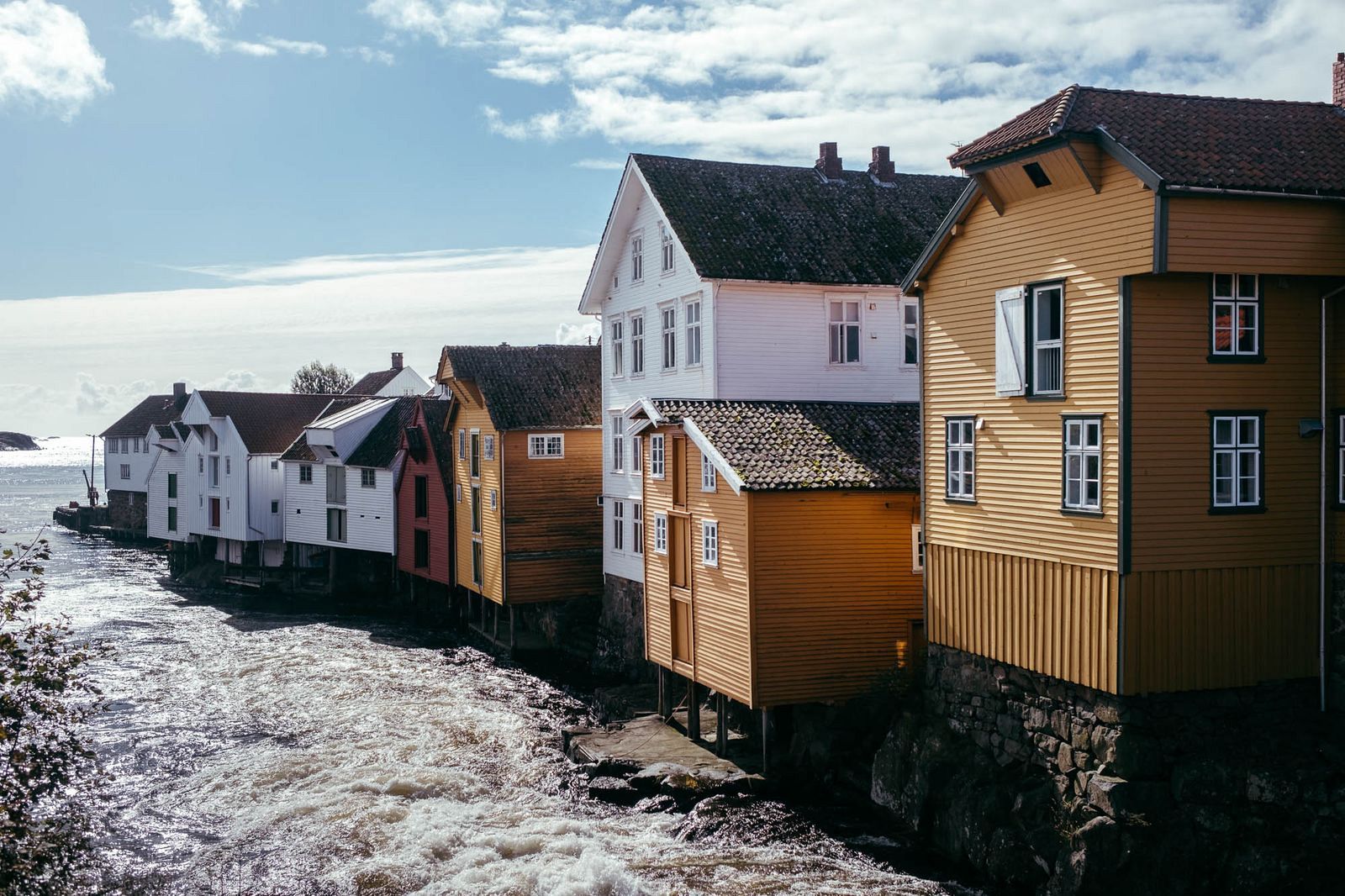
The only tourist accommodation in Sogndalstrand is Sogndalstrand Kulturhotell. This establishment, however, is not a single building; rather, its rooms are distributed among a dozen restored wooden houses along the village’s main street, on the shores of a small fjord crossed by the Litlå River. Eli Laupstad and her husband, Jan, founded the hotel in 1996 with the aim of revitalizing the area after its decline during the last century. A combination of industrial, economic, and legislative factors transformed what had once been a prosperous commercial port into a near-ghost town. After outlining their project, Eli served a fish and seafood soup. One point should be made clear before continuing: food is a central component of the Coast Contemporary experience.

During that first dinner, participants in the Research Journey and Assembly 2025—who had come from more than a dozen countries—began to get to know one another, share details about their respective projects, and exchange impressions about what lay ahead. By the end of the trip, the group had taken on the character of a close-knit community. Over the next two mornings, before boarding the bus for the daily excursions, participants and invited artists presented their work and research in Sogndalstrand Kulturhotell’s auditorium, located in what had once been the village school. Many of the conversations sparked by these presentations continued throughout the day, as phones and notebooks filled with names, contacts, references, and titles of artworks or exhibition projects to follow up on.

The Sogndalstrand Kulturhotell at the mouth of the Litlå River, which flows through the village of Sogndalstrand. (Photo: Ljerka Kukurin for Coast Contemporary)

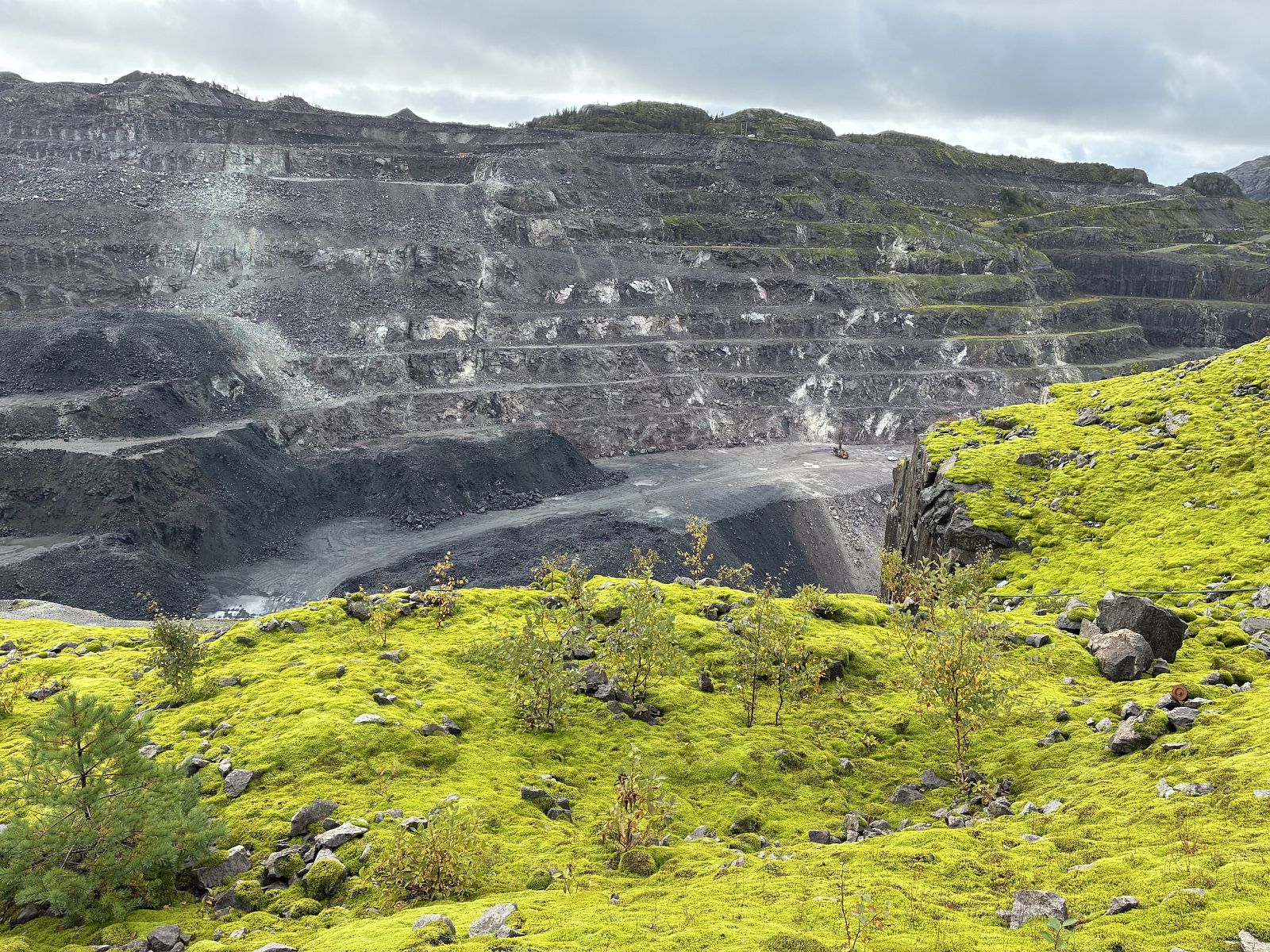
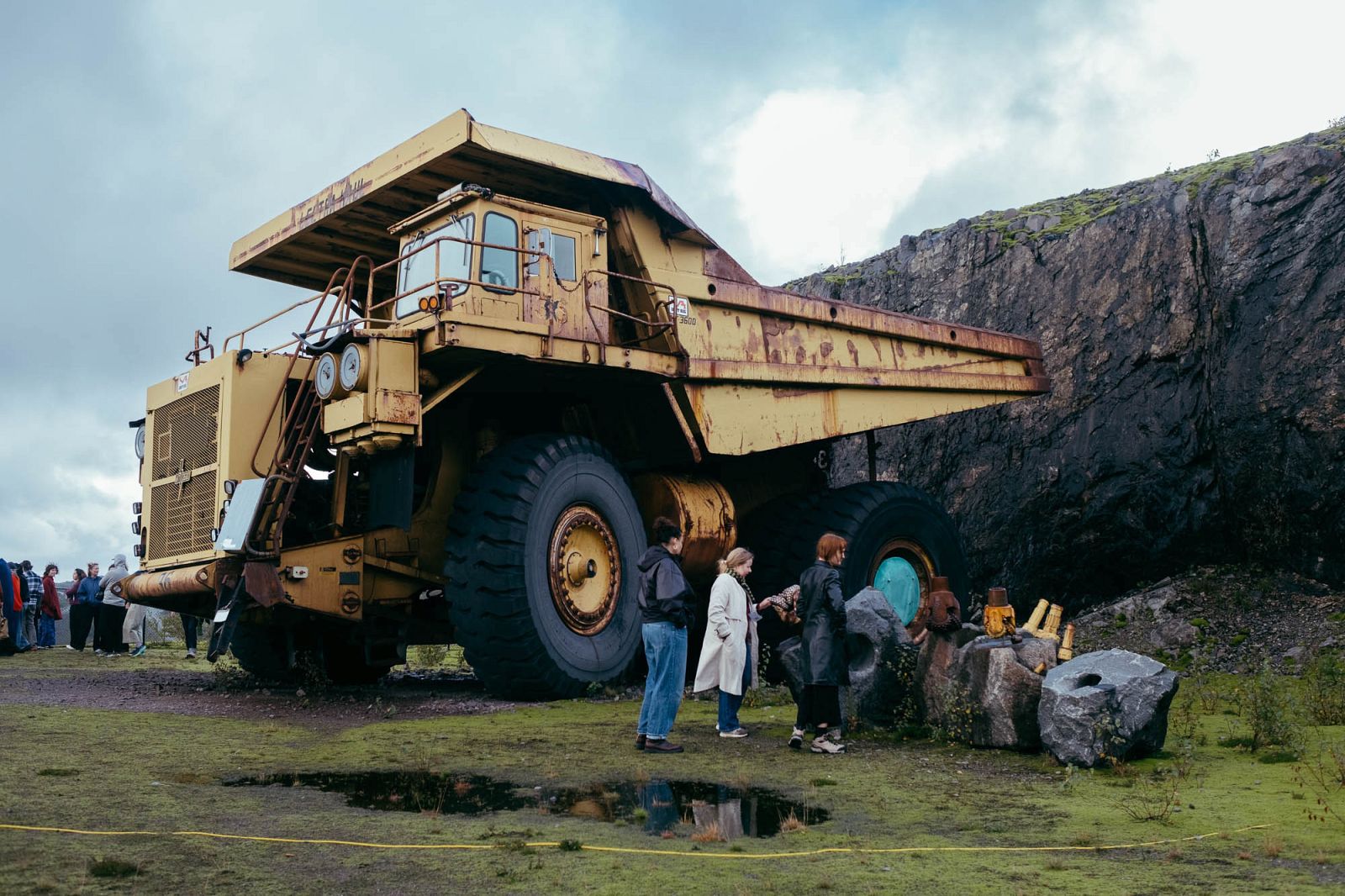
Site visit to the Titania Mine. (Photo: Arnau Horta)

The first two days of the trip (always aboard the yellow bus) were dedicated to exploring the Dalane district, home to Titania, Norway’s largest open-pit mine and one of the world’s largest deposits of ilmenite. There, a guide in overalls and a hard hat led us through the site. Ilmenite is the raw material from which titanium dioxide is obtained—the most widely-used white pigment in the world and the one employed across the greatest number of industrial sectors. Its extremely high refractive index gives it exceptional opacity, whiteness, and brilliance, surpassing that of any other white pigment. Mutating materiality manifests here in an extreme and paradoxical way: when extracted from the ground, ilmenite it is pure black; after chemical processing, it becomes the whitest pigment in existence.

And since we are talking about color, here is more. On the dark surface of the mine, large quantities of thick, vibrant green moss grow, recalling the meadows where the Teletubbies sing and dance. The explanation: nitrate released by the explosives used to extract the ilmenite acts as a nutrient, allowing this almost fluorescent moss to grow in an environment that initially appears inhospitable to life. The mutant emerges once again.

The moss that grows at the Titania mine. (Photo: Arnau Horta)

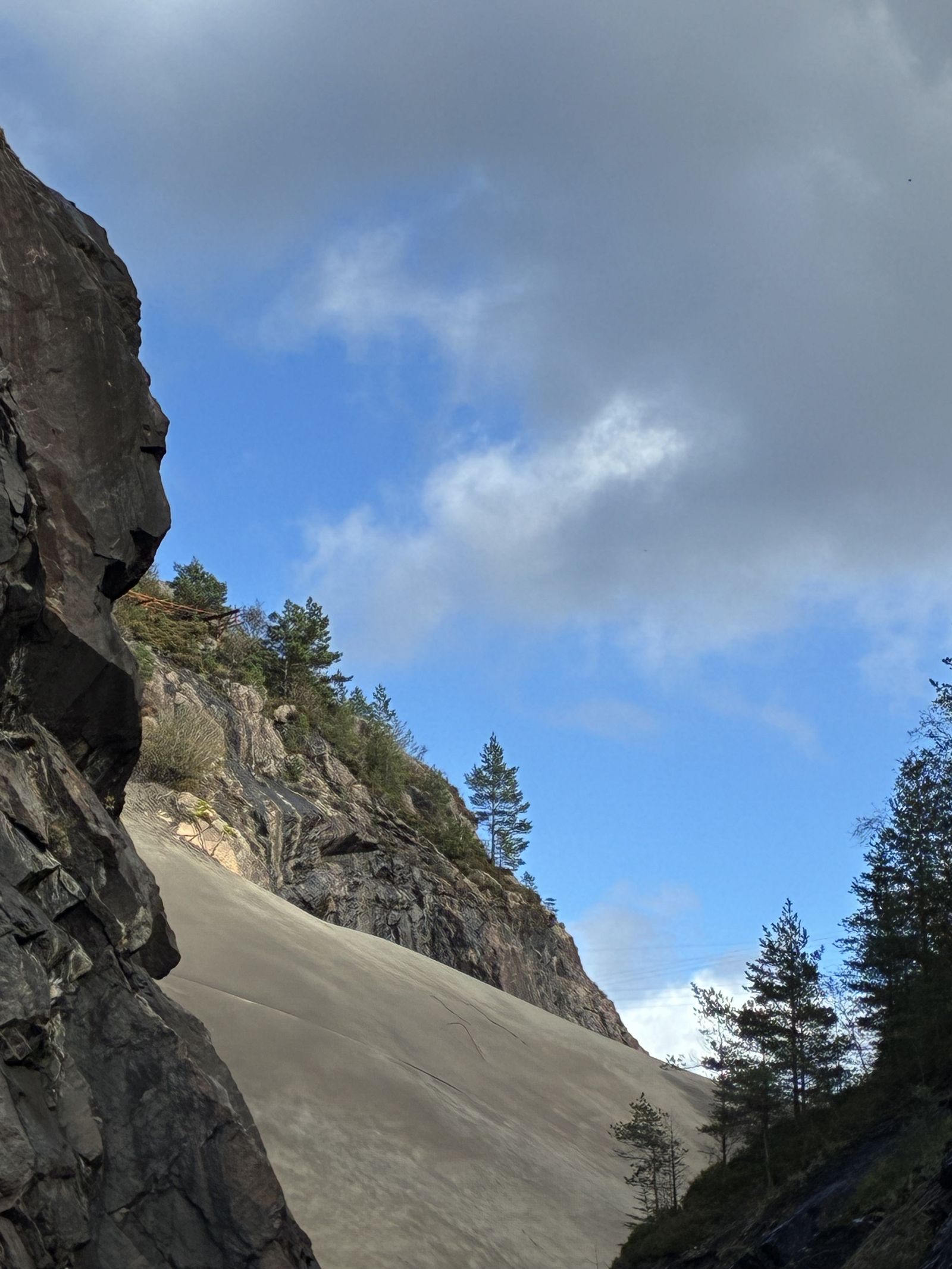
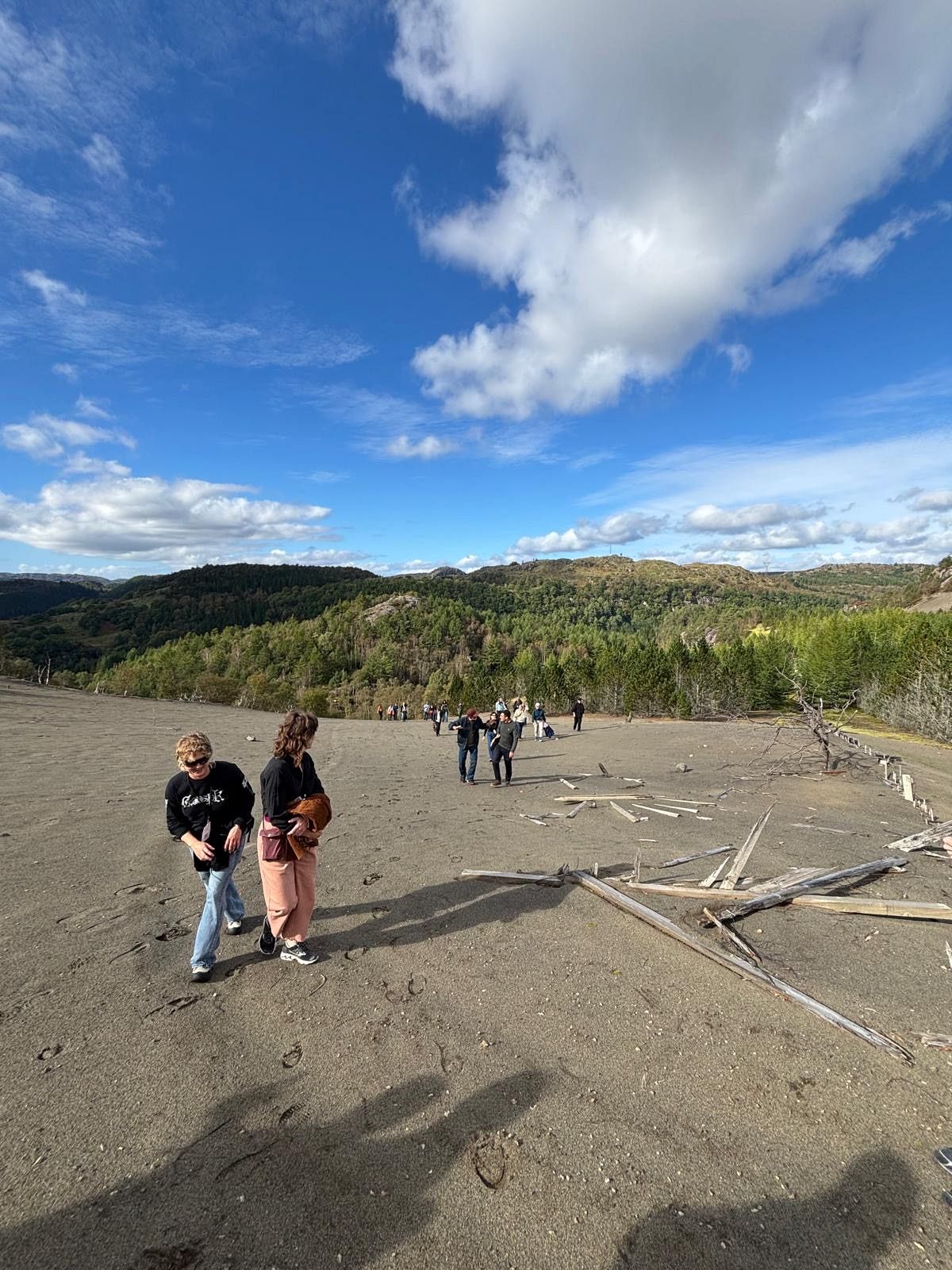
At the same time, over more than a century of mining activity, the mine has contributed to a profound transformation of the landscape’s topography. This transformation is visible not only in the excavated terraces that descend beneath the dark soil, but also in the residual sand that accumulates in large dune-like formations around the mine. Each year, the mine generates more than one and a half million tons of this sterile grayish sand, gradually filling the gorges that once ran between the neighboring mountains.

Aware of this transformation, the guide who accompanied us during the visit to Titania described the mine’s activity as a form of artistic endeavor—a creation that would, he noted, endure until at least the next ice age, unlike the works found in museums and galleries. While this comment raised a few skeptical eyebrows, it is also true that each of us, listening from our seats on the bus, retained the (aesthetic, yes) impression produced by the mine and its effects on the surrounding environment. Titanical land art (pun intended)? Geo-anthropocenic installation? Radical gardening? The list of such categories could easily be extended.

A residual sand dune near Titania mine. (Photo: Arnau Horta)

Participants climbing the dune to Sandbekk, the deposit for mining waste. (Photo: Misal Adnan)

Very close to Titania, in what were once the mine’s offices, is the Velferden Sokndal Scene for Samtidskunst, directed and curated by artists Maiken Stene and Hans Edward Hammonds. This space, dedicated to the research and production of contemporary art, hosts artists and professionals from around the world for short- and long-term stays, offering studios, workshops, and related facilities. In addition to residencies, the center organizes exhibitions, concerts, symposia, courses, and seminars open to the public. Velferden (which means “welfare state” in Norwegian) functions as an interdisciplinary platform focused on the relationships between human activity, artistic practice, and nature. Its work engages with the material history of the region and addresses not only the artistic community, but the local population more broadly. "Situated artistic research and production"? That is, precisely, what this space proposes.

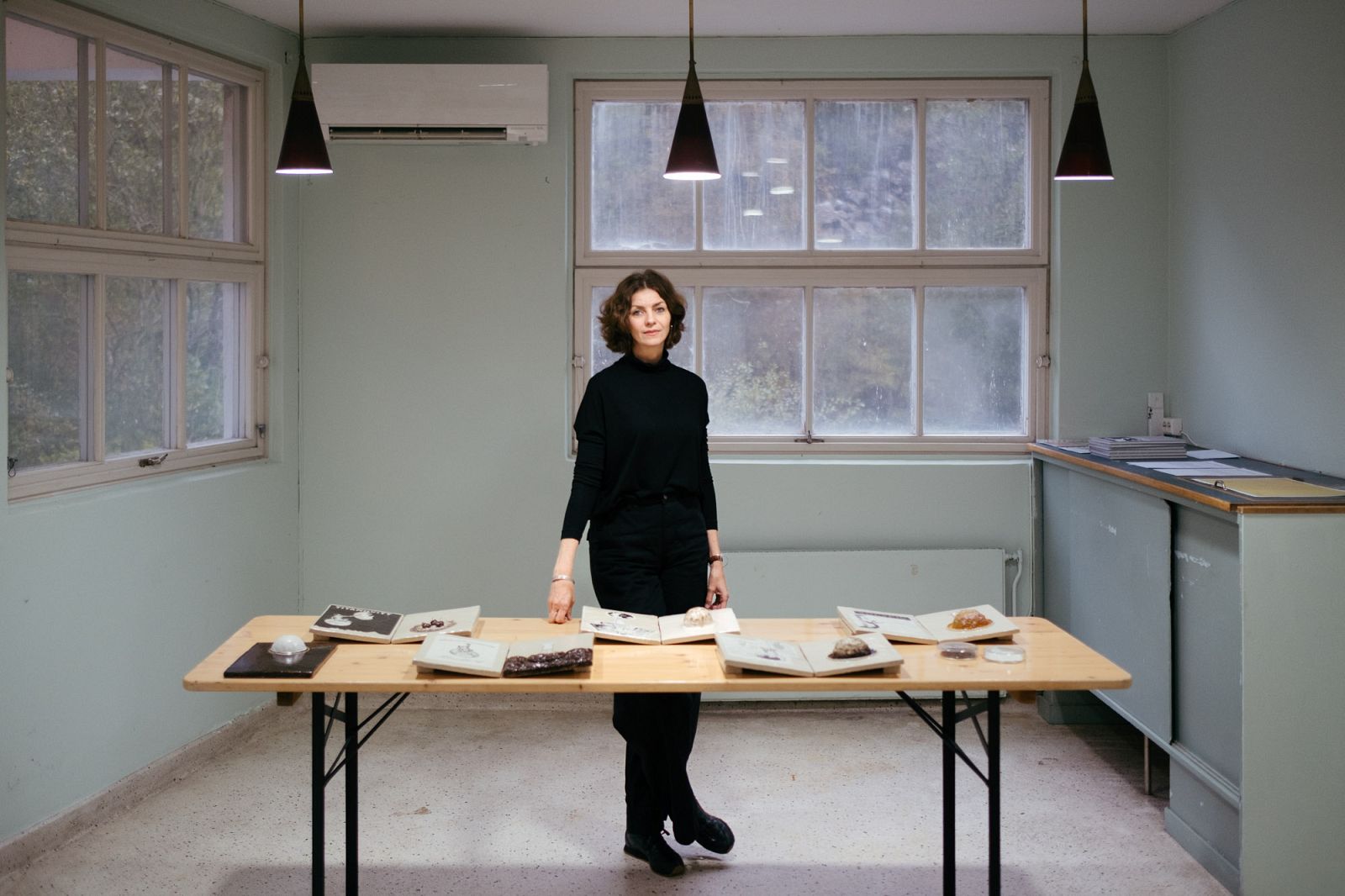
Indeed, mutantship, understood in a Harawayan sense—that is, as a defining condition of a damaged world that compels us to “stay in trouble” and to seek solutions beyond utopian or fatalistic positions—manifests itself paradigmatically in Velferden. Under the title “AVGANG / DEPONI” (Waste / Deposit), the center’s current program focuses on the possibilities offered by mining waste as an artistic material, economic resource, and social symbol. It was within this framework that the artist and researcher Marte Johnslien presented her project White to Earth, in which she examines whiteness as a symbol of “purity, power, and progress” and investigates how titanium dioxide functions as an omnipresent element in a wide range of everyday and consumer products. As she notes, this pigment is also found in the human body, where it accumulates after being ingested in food or medications (listed as "E171" in ingredient lists). Johnslien draws on Timothy Morton’s concept of the hyperobject to describe the nonlocal, hyper-distributed, and “sticky” nature of this pigment: although we live surrounded by it, we are rarely aware of the vast industrial and geological networks that produce it.

Following Morton, Johnslien also points out that the effects of titanium dioxide manifest themselves “interobjectively” in the aesthetic properties of the modern world. Without this pigment, the white seen on walls and objects of all kinds would be more opaque, grayish, or yellowish, altering perceptions of modernity as well as configurations of capitalist desire. She connects this observation to a historical coincidence: the invention of this pigment, known as “the whitest white,” occurred at the same time as Kazimir Malevich’s first white monochromes. What do the artistic projects of the early avant-garde and the chemical industry of the early twentieth century share in their understanding of materiality and purity? How far does this equivalence extend, and how does it continue to shape aesthetic expectations today? What would the experience of spectators—and the work of artists, curators, critics, and researchers—be like if this dazzling white did not exist?

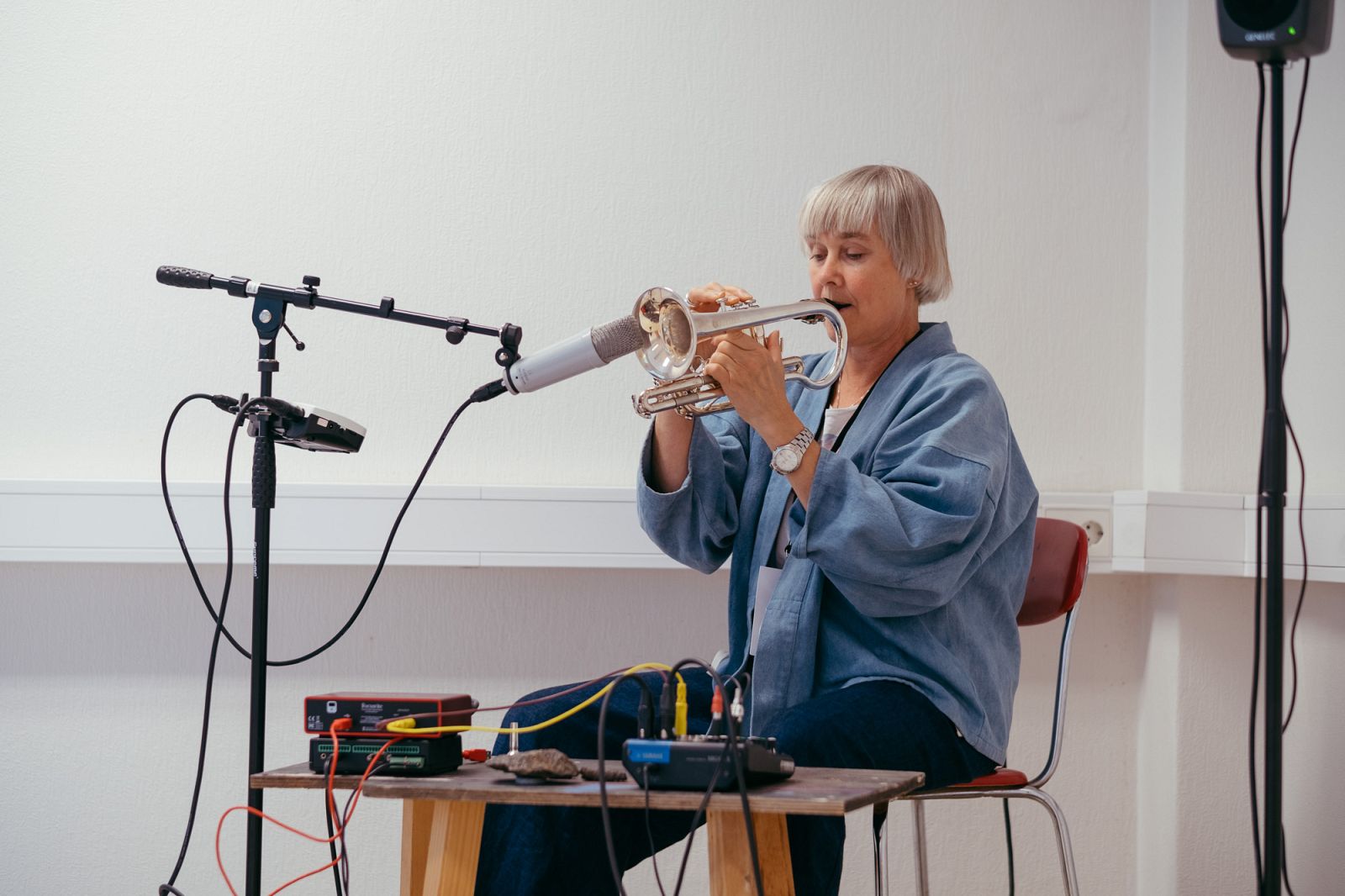
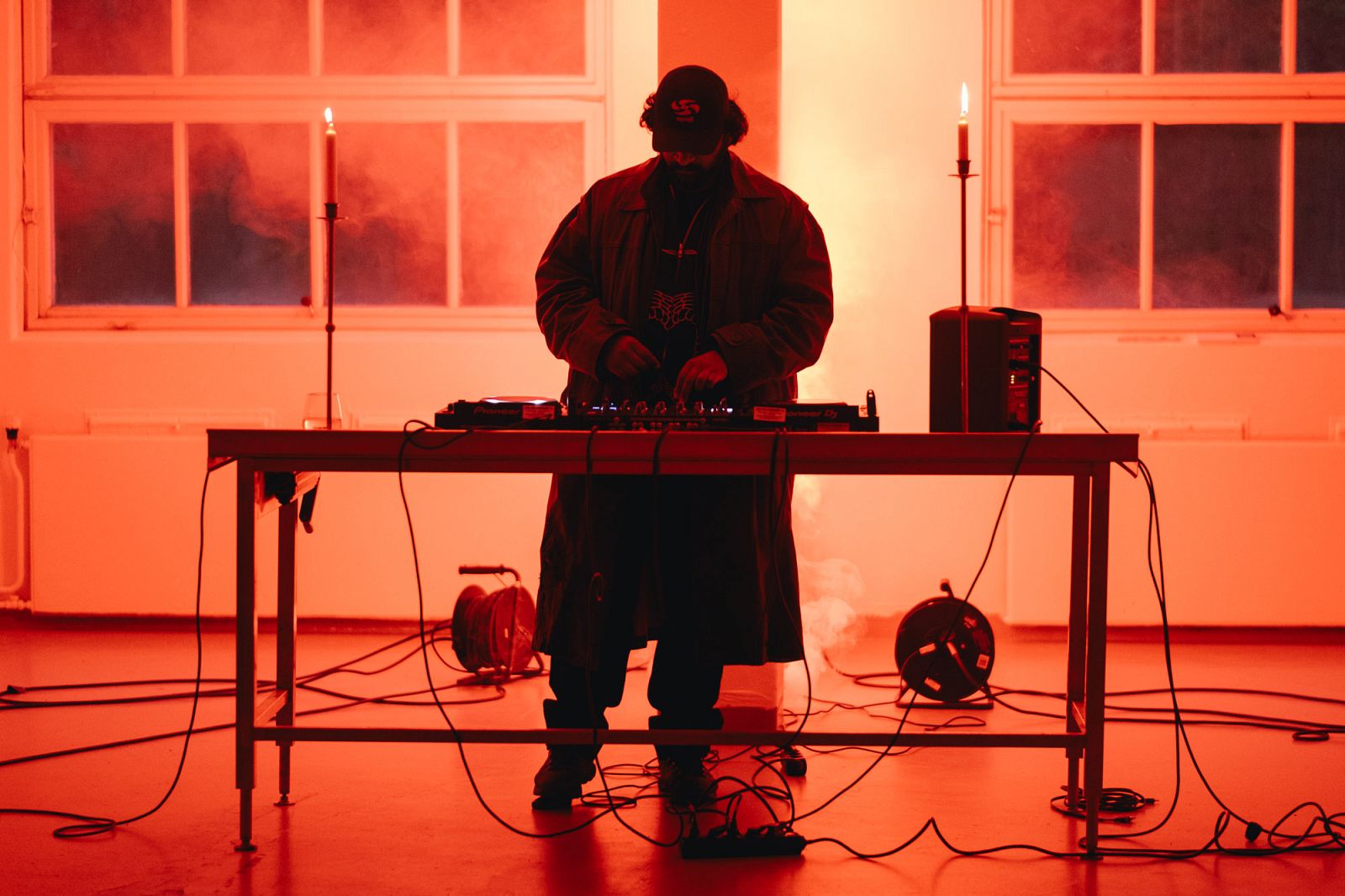
During our two visits to the Velferden facilities, we also encountered the work of artists Martin White, Anna Sofie Mathiasen, Eline Benjaminsen, Siri Austeen, Linda Lamingnan, Ilavenil Vasuky Jayapalan, Anette Gellein, Miriam Hansen, and Andreas Olanssønn Rongen. Like a small-scale festival encompassing sculpture, video, performed lectures, and music, each presented their work in a format that approached the domestic. At the end of each day, we sat with them for dinner and traveled together on the bus back to Sogndalstrand, allowing for further conversation around their practices, trajectories, and ongoing projects. If there is an ideal scale and format for an art event, this may be one version of it.

Artist Marte Johnslien shows her work at Velferden. (Photo: Ljerka Kukurin for Coast Contemporary)

The bus parked outside the central building of Velferden during a performance by Ilavenil Vasuky Jayapalan. (Photo: Arnau Horta)

Artist Siri Austeen performs. (Photo: Ljerka Kukurin for Coast Contemporary)

Artist Ilavenil Vasuky Jayapalan performs இனப்படுகொலை மற்றும் மறுபிறப்பின் ஒலி நினைவுச்சின்னம் (sonic monument of genocide and rebirth). (Photo: Ljerka Kukurin for Coast Contemporary)

For the second part of the trip, we traveled to Stavanger, stopping along the way to visit Hå gamle prestegard, a historic arts and cultural institution located in a protected landscape along the Jæren coast. There, curator Nils-Thomas Økland guided us through an exhibition by filmmaker Lene Berg. Later that afternoon, after arriving in Stavanger, we were received at Kunsthall Stavanger by Senior Curator Kristina Ketola Bore; Kari Ane Golf, Head of Communications at OCA – Office for Contemporary Art Norway; and Joseph Constable, Kunsthall Stavenger’s new director. Before dinner, Heather Jones led a tour of the exhibition Fatebe Shadows by artist Ebecho Muslimova, which she co-curated.

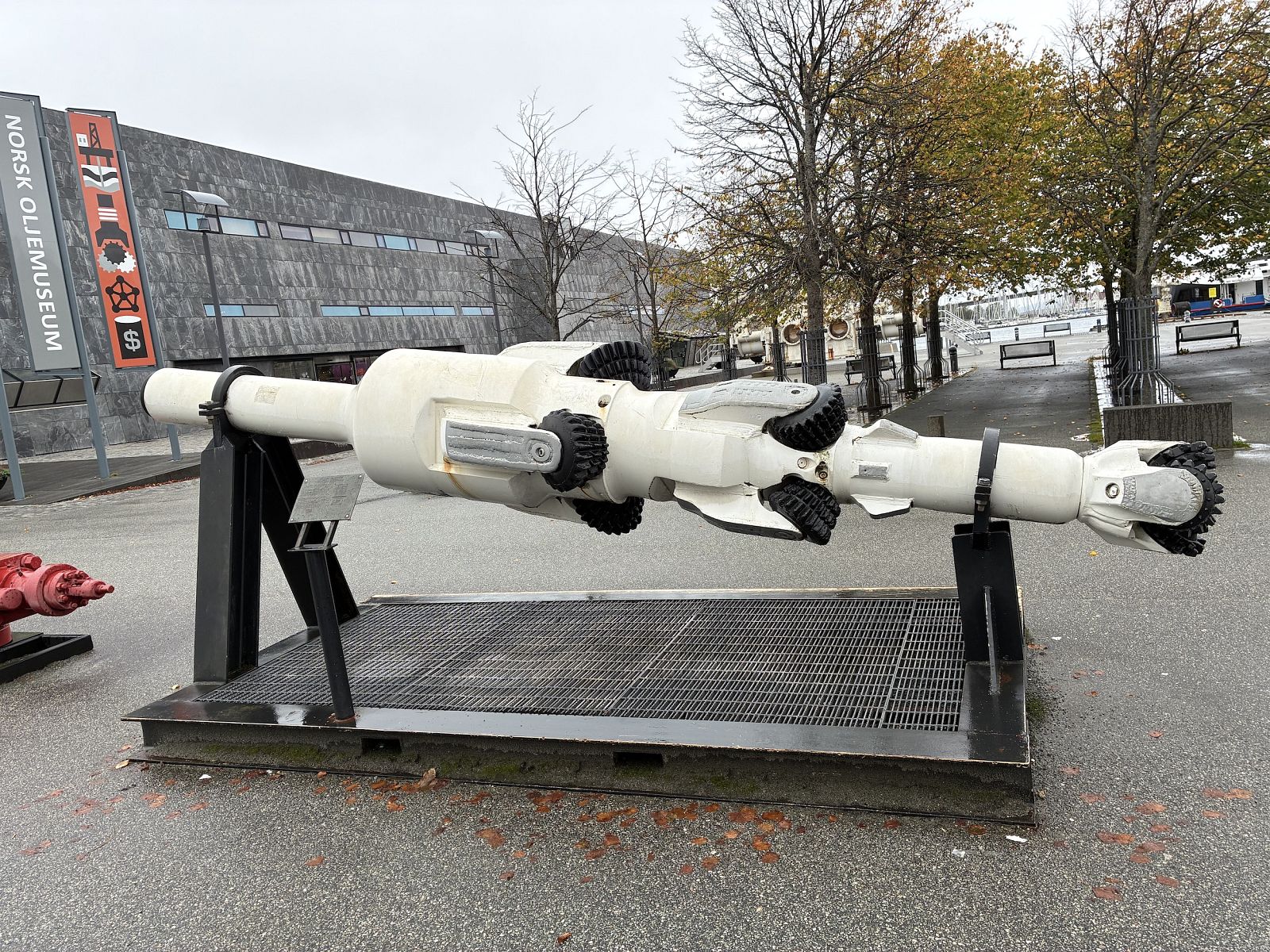
If Sokndal’s most iconic material is ilmenite, Stavanger’s is oil. Following the discovery of deposits beneath the North Sea in the late 1960s, the capital of Rogaland County became the center of the Norwegian oil industry, home to the headquarters of Equinor as well as the Norwegian Petroleum Museum. Right in front of the museum, a massive oil drill head is displayed as a kind of ready-made. Painted a pristine white (ilmenite again?) and without visible wear, the object resembles a spacecraft or a piece of futuristic machinery. Inside the museum, a large number of objects, models, and audiovisual materials present the history of oil extraction as the region’s most strategic sector.

Head of an oil drill displayed in front of the Norsk Oljemuseum. (Photo: Arnau Horta)

Anette Gellein, one of the artists who accompanied us during the trip and later opened her studio to us in Stavanger, mentioned that following the release of the Porsche Cayenne, Stavanger briefly became the city with the highest number of this model per capita in the world. Here, the hyperobject of oil manifests itself interobjectively in the form of luxury car consumption. Dyke Dreams, the film Gellein presented at Velferden and discussed with curator Anna-Lena Panter, engages with this petro-aesthetic dimension.

Although from a very different perspective than that of the Norwegian Petroleum Museum, oil was also the central theme of the exhibition Experiences of Oil, held in 2022 at the Stavanger Art Museum. This was one of several projects that Hanne Beate Ueland, the museum’s director, and curator Helga Nyman shared with us during our visit. They noted that this exhibition—one of the more sustained attempts to address the petro-dependent condition of contemporary societies—was met with a relatively lukewarm response among segments of the local public. These were audiences that had previously responded positively to exhibitions with similar approaches. Here, the hyperobject, and its constraints, manifests itself sociopolitically.

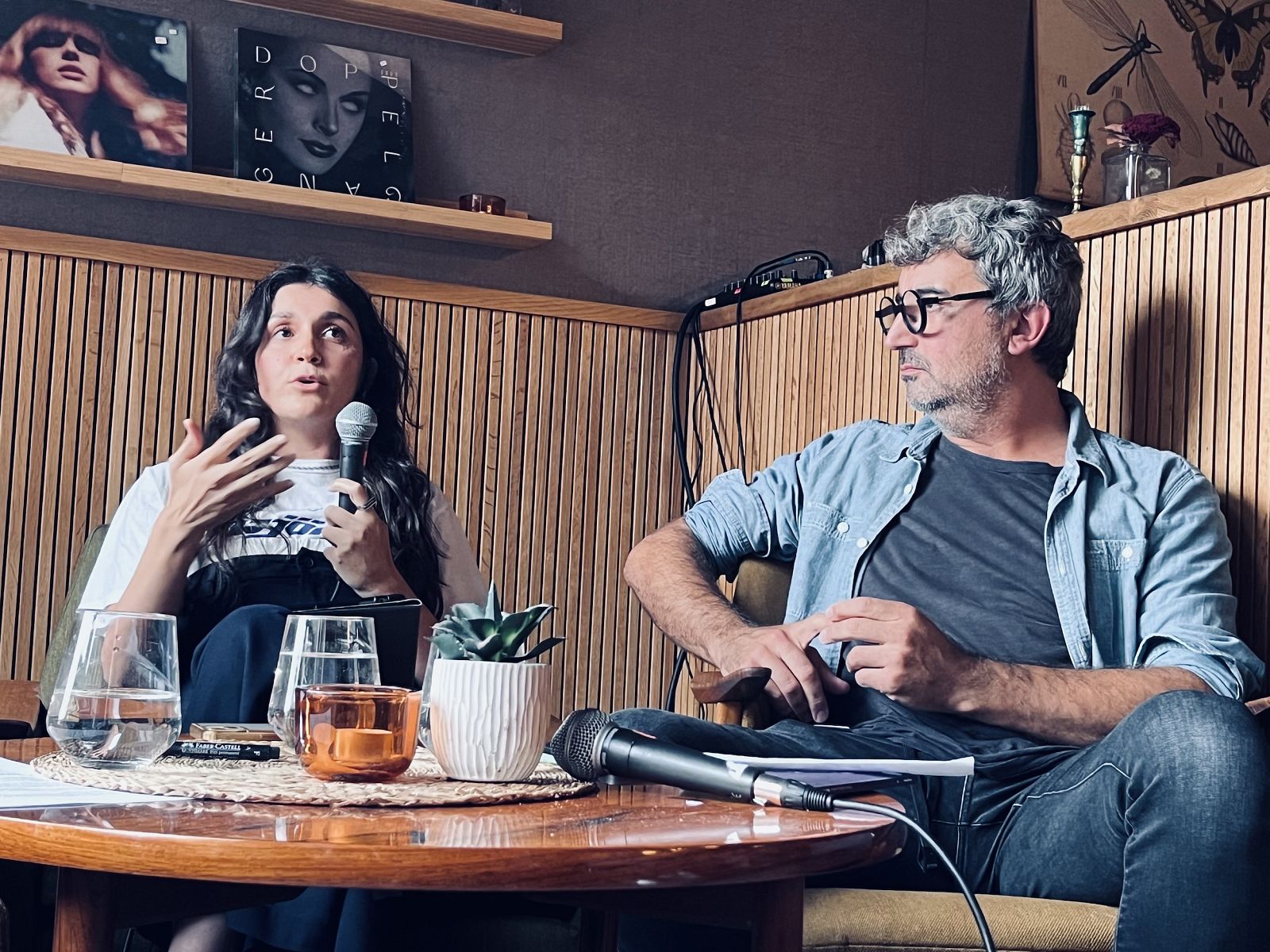
That same afternoon, we went to Tou Scene to attend a two-part program organized by CAS – Contemporary Art Stavanger, Open Studios Stavanger, and Coast Contemporary. The first session consisted of a conversation between Athens-based curator and cultural producer Foteini Salvaridi and myself, moderated by Sofie B. Ringstad, director and editor of CAS. Titled “Critiquing Criticism,” the discussion addressed questions such as: How can the formats and scope of art criticism be expanded? Is it still useful as a practice? Does it still make sense to call it “criticism”? Where does the notion of objectivity fit within a mutating world shaped by hyperobjects? We also reflected on the need to unlearn certain Enlightenment frameworks and to incorporate affective and embodied dimensions into critical practice. The day concluded with the talk “The Role of the Artist and the Curator in the Studio Visit,” presented by artist Tove Kommedal, curator Zaiba Jabbar, and Richard Neyroud, head of exhibitions at CRAC Alsace and independent curator, and moderated by Helga Nyman.

Foteini Salvaridi (left) and Arnau Horta (right) in conversation during the "Critiquing Criticism" panel. (Photo: Tanja Saeter)

Our last day in Stavanger was dedicated to visiting artists’ studios throughout the city as part of the Open Studios Stavanger program. As is often the case with these kinds of trips, time passed quickly, and a sense of FOMO set in. We would have welcomed another day, or more, to continue exploring Stavanger’s art community, but the program came to an end. The following morning, as we packed our bags to return to our respective countries, the experience remained difficult to fully process. It is perhaps in this sense that Tanja Sæter describes these trips as a “collective hallucination.” The phrase seems apt. The fact that my flight to Barcelona had to divert to Palma de Mallorca to refuel due to an unusual storm over the city only intensified that impression.

Beyond the incredible opportunity these trips offer to encounter the Norwegian art scene and connect with peers from different contexts, Sæter understands their organization as her main artistic practice. Each edition of Coast Contemporary takes the form of a collective, interactive, and immersive road movie. However, the immersion here differs from the kinds of exhibition experiences that Claire Bishop critiques for their alienating and detached qualities. The immersion here is grounded in shared time and experience and, as in this edition, includes moments that challenge assumptions about the role of the art professional. In this sense, maybe each of us may have returned from Norway with a small mutation—something that will hopefully continue to register in our future work and practices.

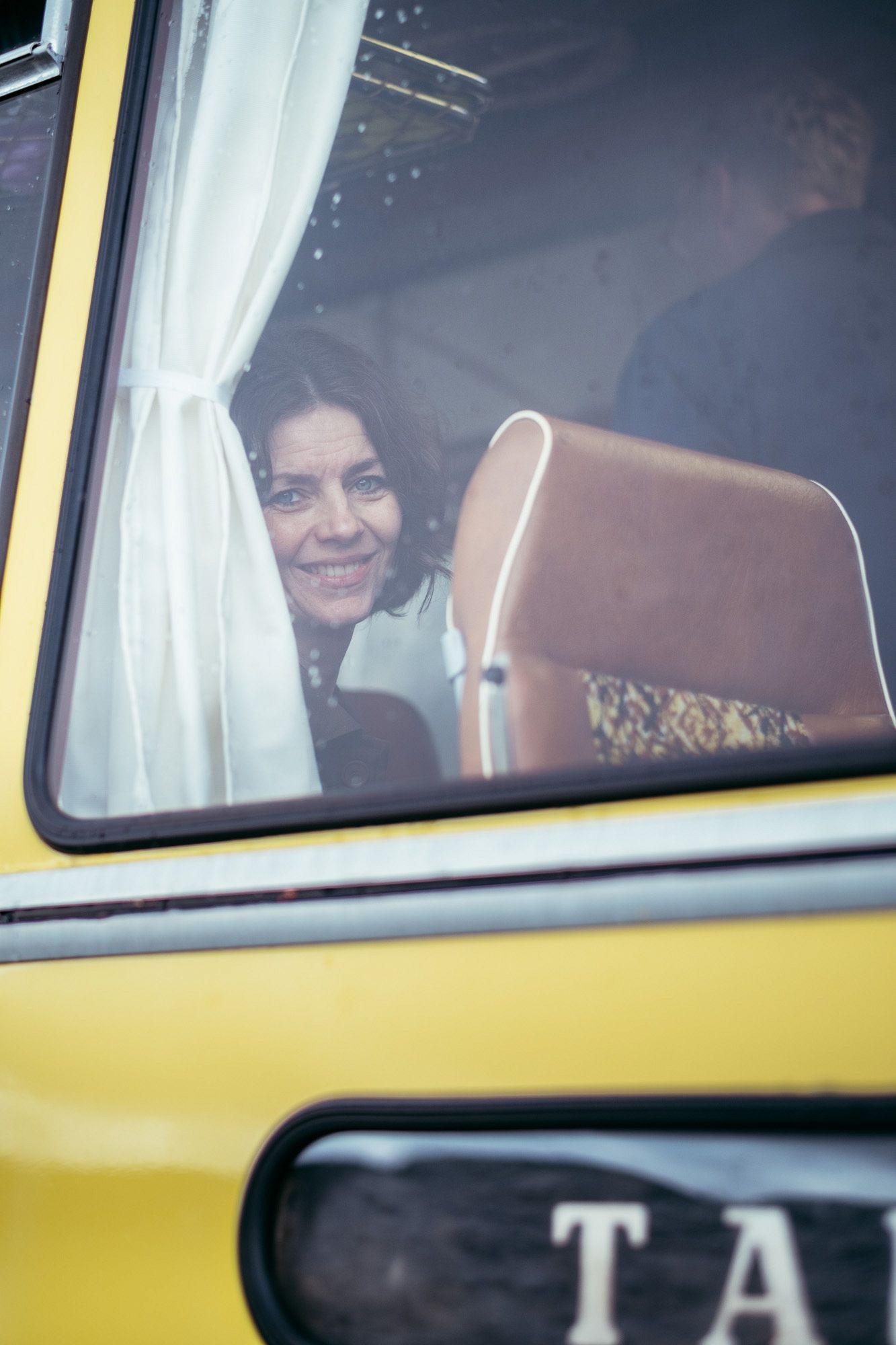
Marte Johnslien looks out the window of the bus. (Photo: Ljerka Kukurin for Coast Contemporary)