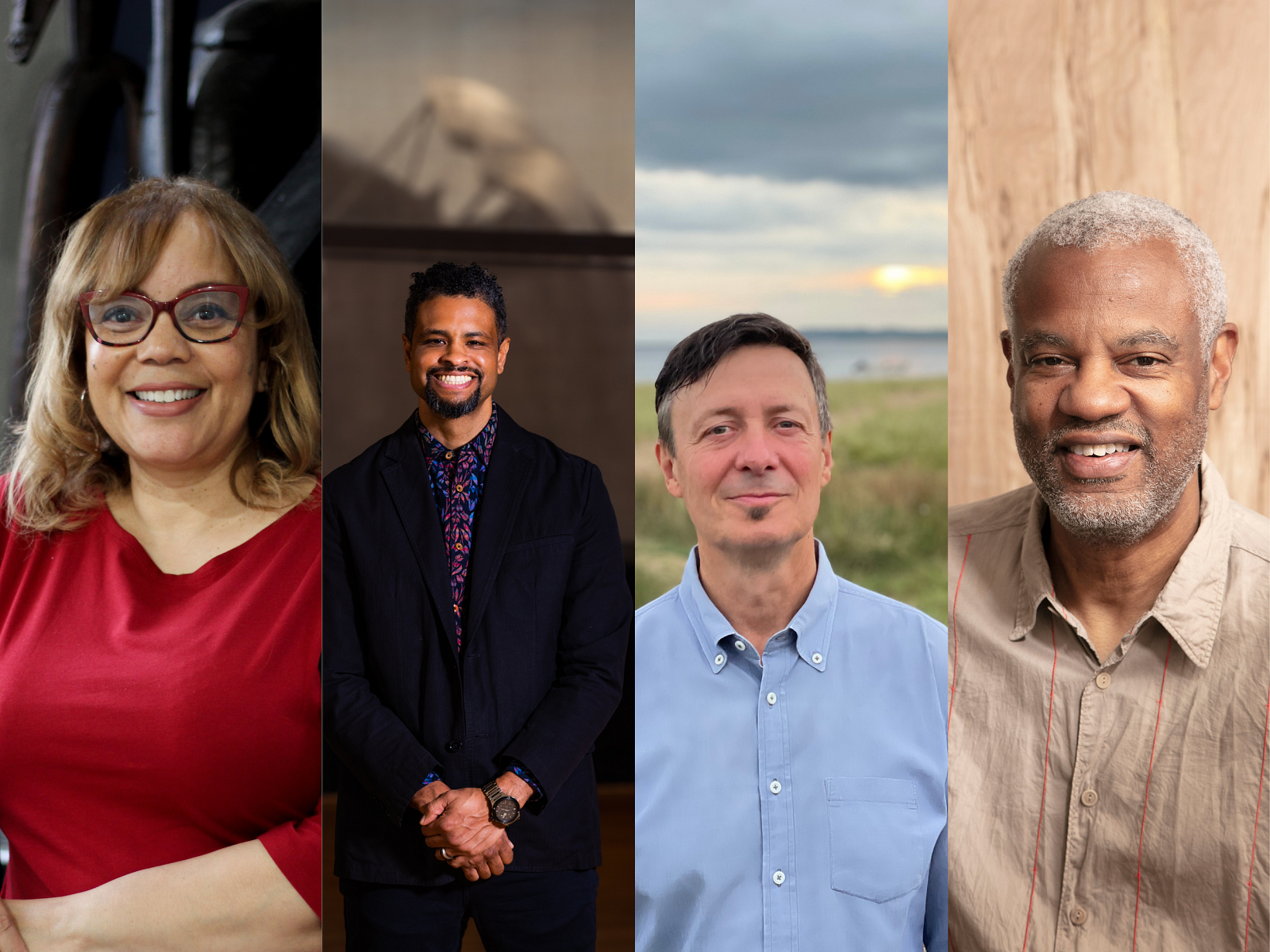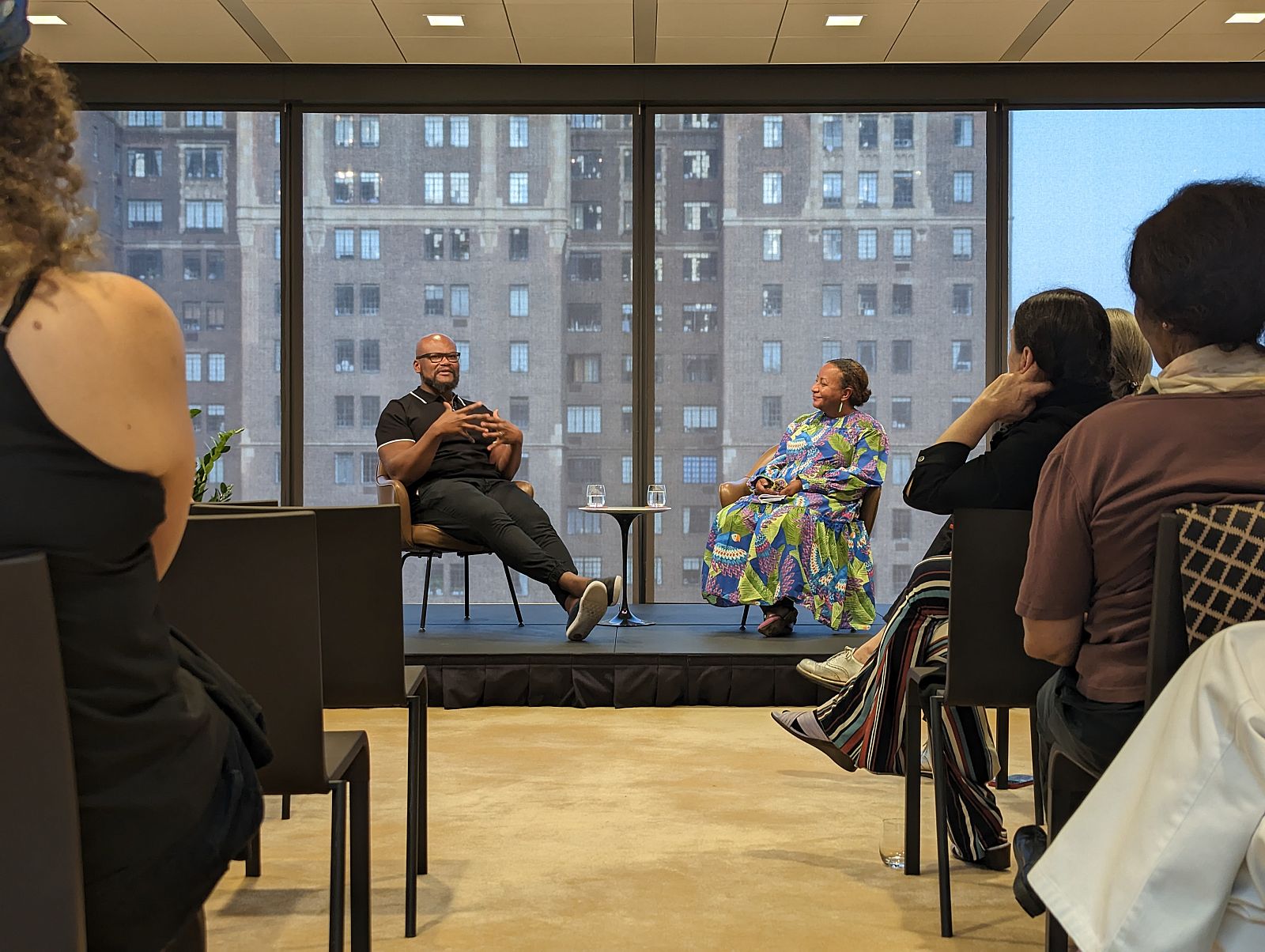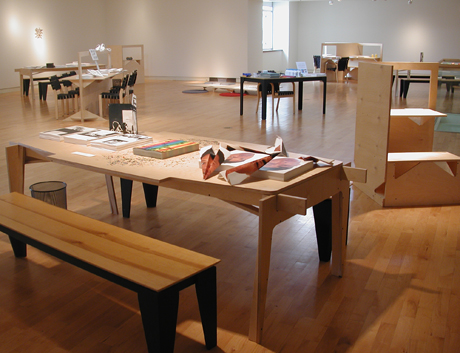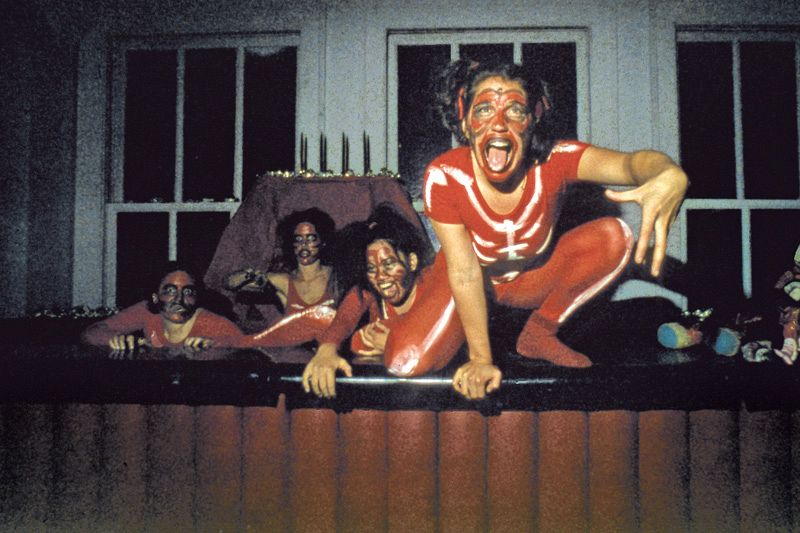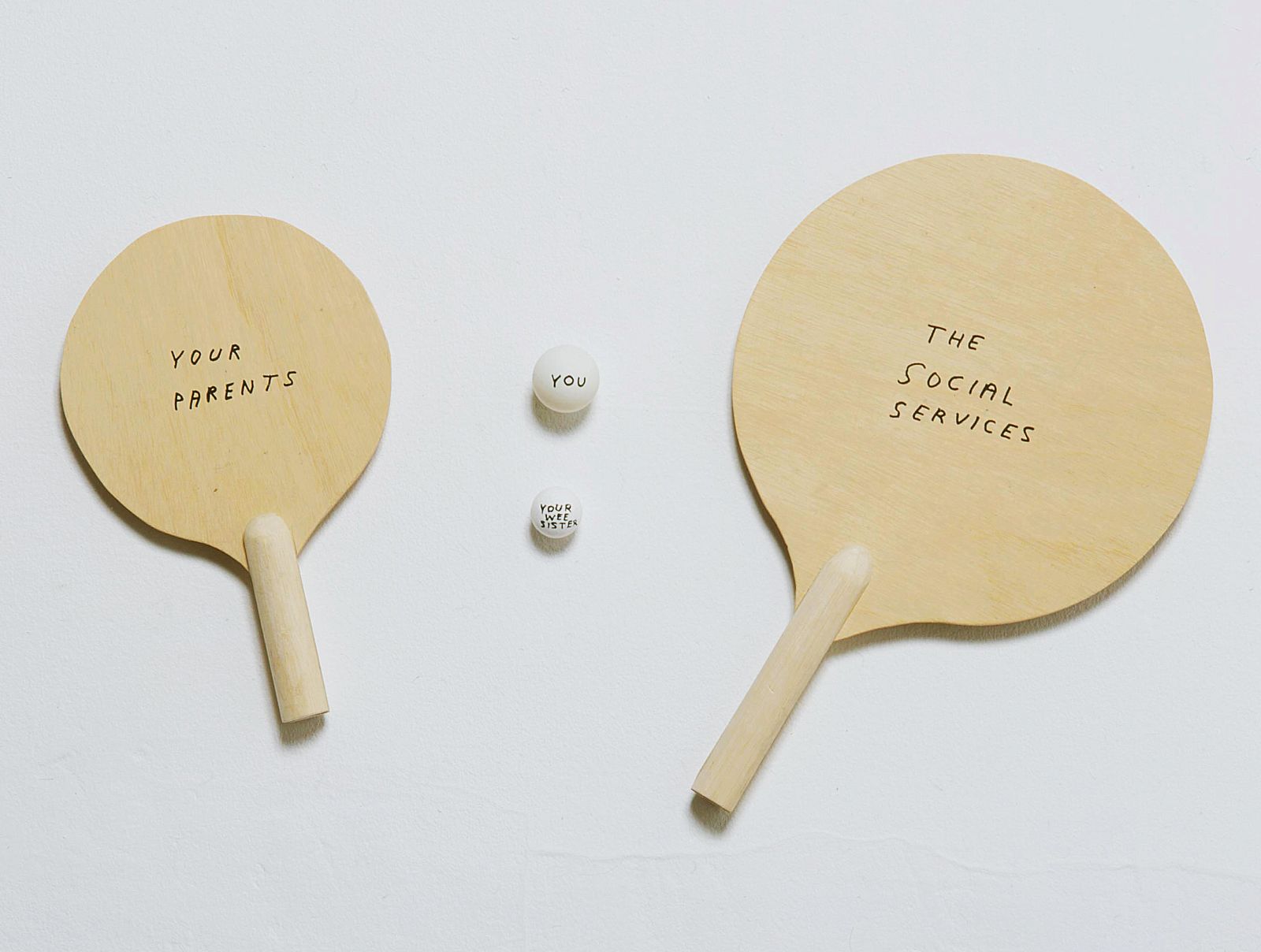
This conversation between architect Koray Duman and Sarah Herda (Executive Director, Graham Foundation) will explore the role of exhibition architecture in shaping how artists, curators, and institutions communicate and engage with audiences. Using three aspects of Duman’s work—the curator, the institution, and the artist—as points of departure, they consider how exhibition design can become more than a framework for displaying art, but a tool for advancing curatorial and artistic visions and engaging audiences in new ways. Duman brings layers of storytelling, context, and meaning into projects spanning galleries, museums, biennials, and temporary public projects.
The conversation will begin with the curator, asking: how can exhibition design support and expand the curatorial statement? Duman introduces his work on the 59th Carnegie International and the display device developed for the Chimera installation at this year’s Venice Biennale, to illustrate how space and a cohesive design strategy can support multiple narratives as artists and curators increasingly tackle the complex cultural, social, and political issues of our time in their work. The Chimera installation, along with the Future School project, form the basis of their exploration of institutions. How can exhibition design create opportunities for community-building and engagement, and allow institutions to contend with limitations of space and resources while evolving and expanding their roles in society? Finally, they turn to the artist, using the example of Duman’s work with Paul Pfeiffer to consider how the architecture of an exhibition can actively contribute to an artist’s narrative, reveal complex dimensions of their practice, and deepen audiences’ engagement with the ideas they present.
Through frameworks of design in which visitors actively contribute to shared learning, exhibitions become more than sites of passive consumption. By treating them as temporary institutions—spaces capable of responding to temporary questions with greater flexibility than permanent architecture—Duman reveals exhibition-making as a rich tool for deepening connections among audiences, artworks, and the broader issues that artists and curators seek to address.
This talk is part of Chicago Exhibition Week. To learn more and see all the offerings, visit chicagoexhibitionweek.com.