This “Atlantic perspective” is not only theoretical, but is also a lived experience which is passed down across generations, opening possibilities for imagining, practicing, and theorizing curatorial processes. In initiatives like Atlantic Music Expo (AME)—which has served as a platform for transatlantic cultural exchange for over a decade by gathering music professionals from across the world in Santiago Island, Cabo Verde—exemplify a creolization transatlantic model that operates outside of Western frameworks. I argue that similar approaches can be cultivated in curatorial practice through the framework of curatorial resistance. The Atlantic perspective offers a space for transformation and a free zone for experimentation, rooted in a utopian mindset, where futures are reimagined and forged. Once a site of transatlantic exploitation, the Atlantic navel, and Cabo Verde specifically, can serve as an alternative site for a curatorial resistance that challenges the dominance of Euro-American cultural circuits.
In the context of Cabo Verde, it is crucial to remain vigilant of how dominant Western discourses overshadow others’ realities; as Amílcar Cabral emphasized, we must “think with our own heads.” To engage with curatorial processes from an Atlantic perspective requires an active critical contribution to global discourses by amplifying often-overlooked practices and voices. Projects such as Ruangrupa (Jakarta, Indonesia) and Chimurenga (Cape Town, South Africa), both rooted in community and also grounded in collective collaboration, offer valuable precedents for curatorial practices outside Euro-American paradigms.
The concept of curatorial resistance I propose draws inspiration from Cabo Verde’s geographical, historical, artistic, and cultural milieu, as well as the work of thinkers such as Amílcar Cabral and Kevin Quashie. Rather than positioning resistance solely as opposition or reaction, however, my approach emphasizes transformation and moving beyond oppositional binaries. I am compelled by the courage and vision required to act as a seed of change—both individually and collaboratively—in order to nurture new narratives, foster brighter futures, and cultivate joy within the fields of art, culture, and society at large. More precisely, curatorial resistance speaks to the capacity of individuals and collectives to embody both the seed and the soil, and to sustain the conditions in which transformation can take root and thrive.
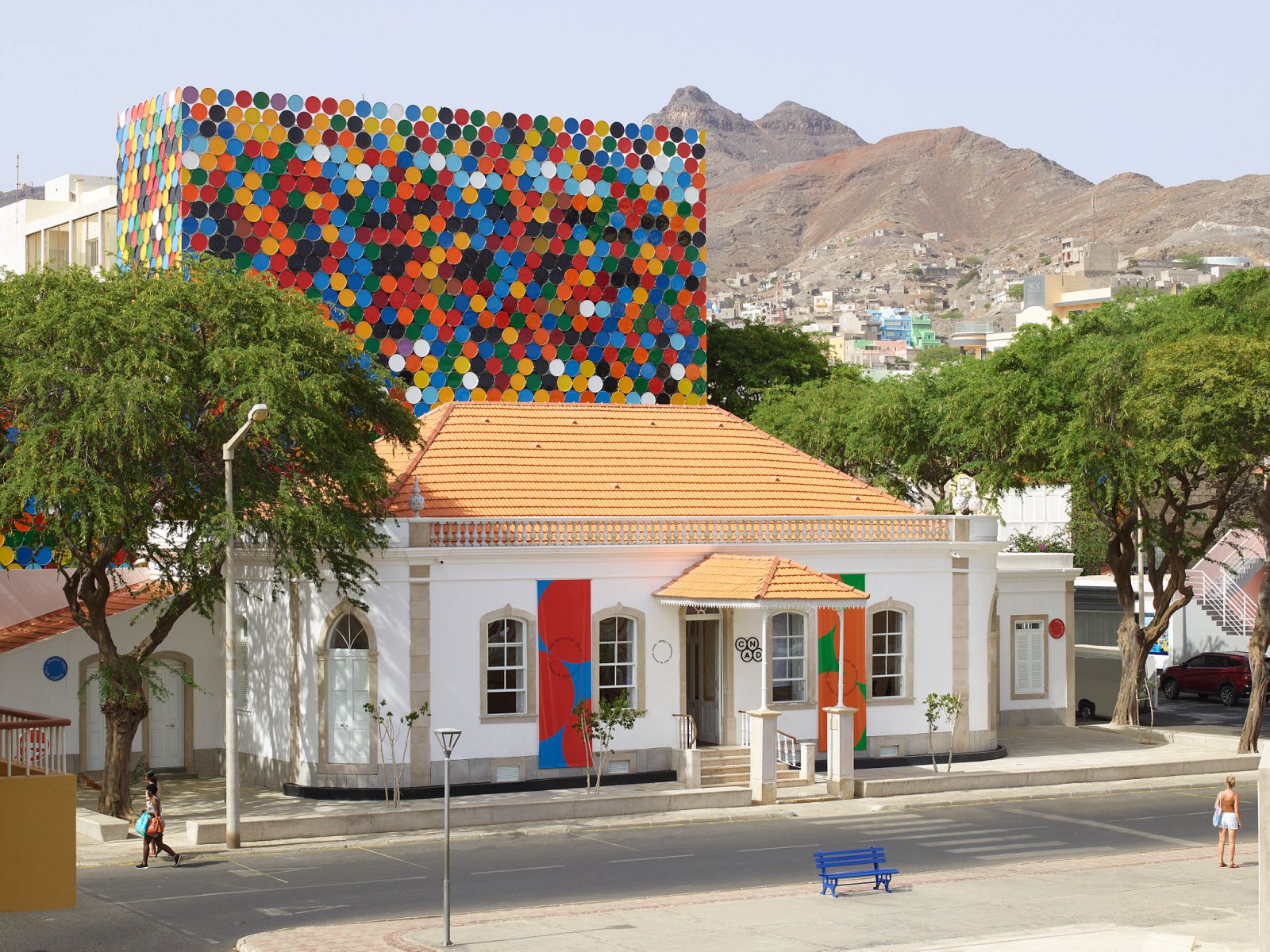
While Cabo Verde lacks a formal academic discourse around curating, curatorial practices are deeply embedded in its post-independence cultural landscape. Notable examples include Cooperative Resistance, which was founded in 1976 by artists Manuel Figueira, Luísa Queirós, and Bela Duarte with the mission to research, preserve, revitalize and promote Cabo Verdean popular culture. That initiative led to the creation of the National Centre for Crafts in 1977 (now known as the National Centre for Art, Crafts, and Design), which was the first cultural institution established in independent Cabo Verde. In 1979, artist Leão Lopes founded Atelier Mar Foundation, an initiative that continues to foster art, education, and intercultural dialogue. More recently, the independent collective Neve Insular, founded in 2018 by artist-scholar Rita Rainho and designer Vanessa Monteiro, has integrated agroecology, education, and expanded fields of design and arts into its community-based practice. These organizations invite a broader understanding of curatorial practice which I interpret through the curator as an intermediary, aligning with critical debates in curatorial studies that advocate for inclusive, situated approaches.
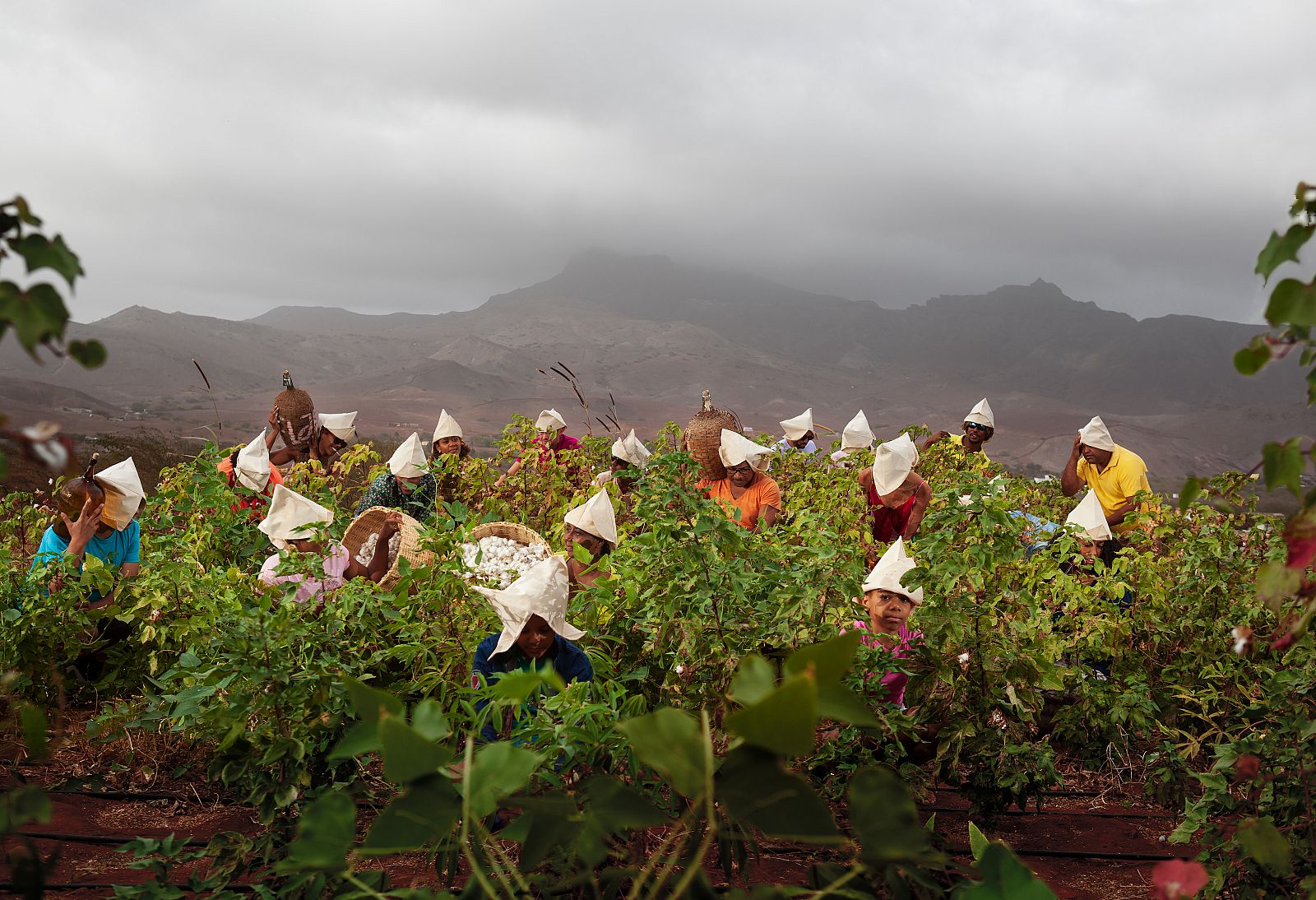
I position acts of Curatorial Resistance as intentional “flights,” in line with Bonaventure Soh Bejeng Ndikung’s articulation of curatorialization and marronage (the act of escaping enslavement). It is not a retreat, but a deliberate strategy of withdrawing from oppressive systems in order to build alternative spaces of freedom, knowledge, and cultural production. Here, flight and transformation become synonymous, challenging dominant frameworks and imagining otherwise. To do so demands that we step beyond familiar ground, embracing uncertainty and risking achievements for the pursuit of something greater. It is echoed within the Cabo Verdean expression semear em pó (to sow in the dust), a phrase borrowed from agricultural practice of framing belief as an act of resistance: “The earth is so dry that it has already turned to dust and, even so, we put the seed inside waiting for it to sprout.”
In this book project, my primary aim is to analyze how Cabo Verdean curatorial initiatives, informed by an “Atlantic navel” perspective, offer both conceptual and methodological inspiration for imagining future possibilities and cultivating curatorial discourse. In an era marked by uncertainty and democratic erosion, it is imperative that artistic and cultural practitioners reaffirm the transformative potential of art and culture as catalysts for change and the construction of alternative futures.