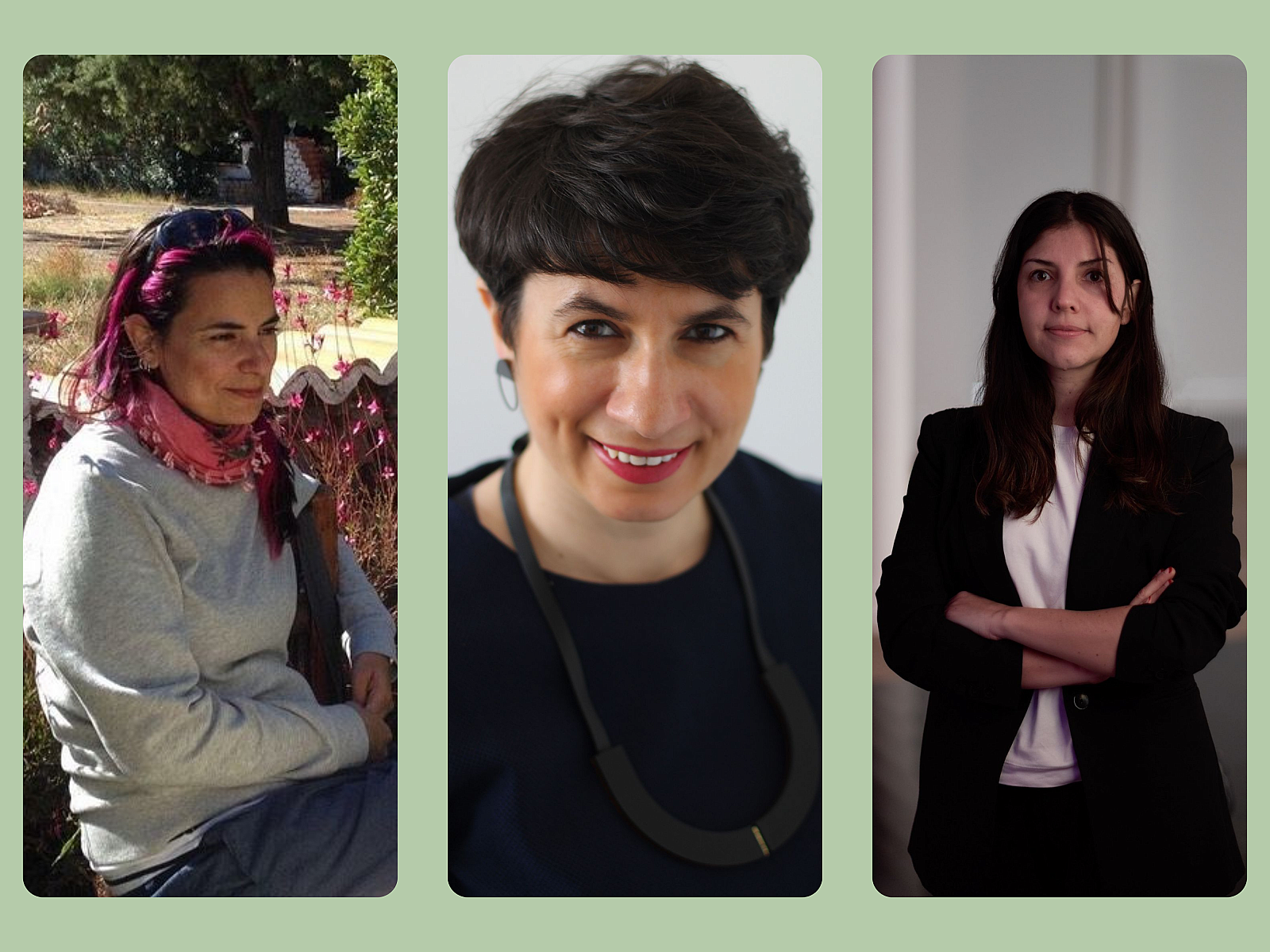
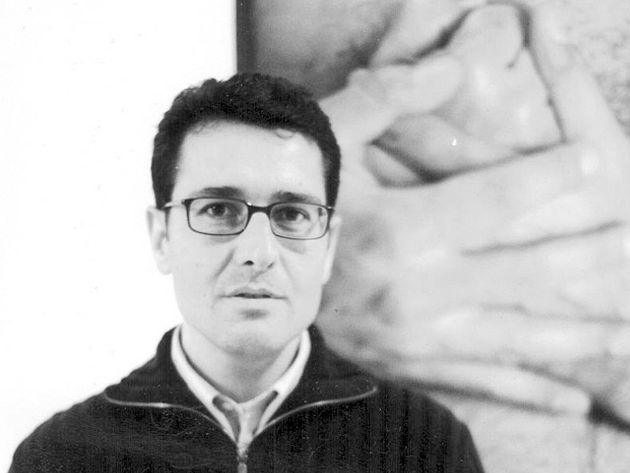
Sara Garzón is a Colombian curator and writer based in Florida. She is the Associate Curator of Contemporary Art at the Harn Museum of Art at the University of Florida, where she is committed to expanding the representation of Indigenous and Latinx artists, particularly in new media and moving-image practices.
Previously, Sara served as Associate Curator of the II Bienal das Amazônias, Verde Distância (2025), and curated the two-year research initiative South to South: A Meeting on African and Afro-Diasporic Technologies (2023–2024), developed in collaboration with Pivô in Brazil and Centre d’art Waza in Lubumbashi, Congo. She also curated The Rise of the Coyote, an experimental program on art and technology organized by Materia Abierta in Mexico, which convened artists, scholars, and activists to explore intersections of plant intelligence, futurity, and Indigenous technologies.
Sara earned her M.A. in Art History and Archaeology from The Institute of Fine Arts, NYU (2015), and her Ph.D in the History of Art and Visual Studies at Cornell University (2022). She has been the recipient of numerous grants and fellowships including the Andrew Harris Postdoctoral Fellowship at the University of Vermont (2021-2022), the Jane and Morgan Whitney Curatorial Fellowship (2020-2021), and the Lifchez-Stronach Curatorial Internship (2014-2015) both at the Metropolitan Museum of Art. Sara has contributed to peer-reviewed journals, art magazines, and exhibition catalogs. Her article “Manuel Amaru Cholango: Decolonizing Technology and the Construction of Indigenous Futures,” was awarded best essay in Visual Culture Studies 2020 by the Latin American Studies Association (LASA).