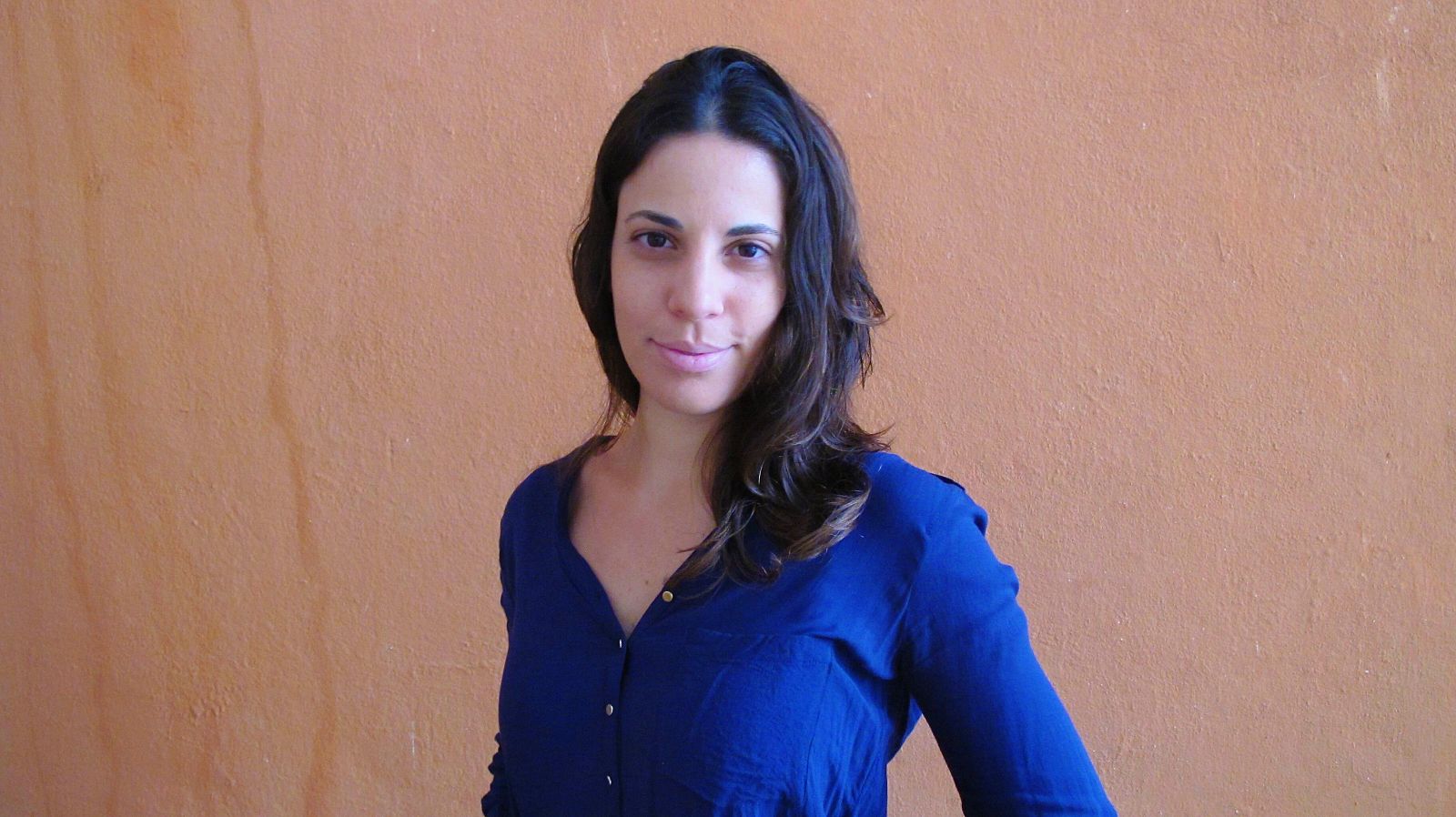
Juliana Caffé (b. São Paulo, 1983) is a curator and researcher in contemporary art. She holds a PhD in Arts from the University of São Paulo (USP) and postgraduate degrees in Curatorial Studies from the University of Cape Town (UCT) and PUC-SP. She is currently a FAPESP Postdoctoral Fellow at the Museum of Contemporary Art of the University of São Paulo (MAC USP), where she develops curatorial and research projects focused on Latin American art, exhibition histories, and archives. From 2013 to 2017, she was part of the programming team at Associação Cultural Videobrasil, contributing to the exhibitions and public programs of Galpão VB.
Her curatorial practice unfolds at the intersection of research, experimentation, and collective processes. She engages with the relations between art and the social field through transdisciplinary approaches that articulate artistic, political, and historical perspectives across the Global South. She has collaborated with institutions such as the Fowler Museum (Los Angeles), Cité internationale des arts (Paris), Museu de Arte Contemporânea da Universidade de São Paulo – MAC USP, Associação Cultural Videobrasil (São Paulo), Paço das Artes (São Paulo), Sesc São Paulo, Casa do Povo (São Paulo), MUNTREF (Buenos Aires), Factoría Habana (Cuba), Espacio de Arte Contemporáneo – EAC (Montevideo), Kiosko (Santa Cruz de la Sierra), and A4 Arts Foundation (Cape Town), among others.
In her latest project, Juliana co-edited and published the catalogue Construction, Occupation (Fowler Museum at UCLA, Los Angeles, 2025), developed in conjunction with the exhibition of the same name, bringing together critical reflections and visual documentation on artistic practices engaging housing justice movements in São Paulo in dialogue with the urban context of Los Angeles.